The wef stormwater conference is one of the most important annual events for professionals working in stormwater and underground utility systems. If you need the quick facts, here they are:
2025 WEF/WEAT Collection Systems and Stormwater Conference at a Glance:
| Detail | Info |
|---|---|
| Dates | July 15-18, 2025 |
| Location | George R. Brown Convention Center, Houston, TX |
| Sessions | 26 technical sessions, 3 workshops, 2 tours |
| Early Bird Member Rate | $745 (through June 6, 2025) |
| Early Bird Non-Member Rate | $1,055 (through June 6, 2025) |
| Hotel Rate | $225/night at Hilton Americas - Houston |
| Social Event | Texan Takeover at Saint Arnold Brewing Company |
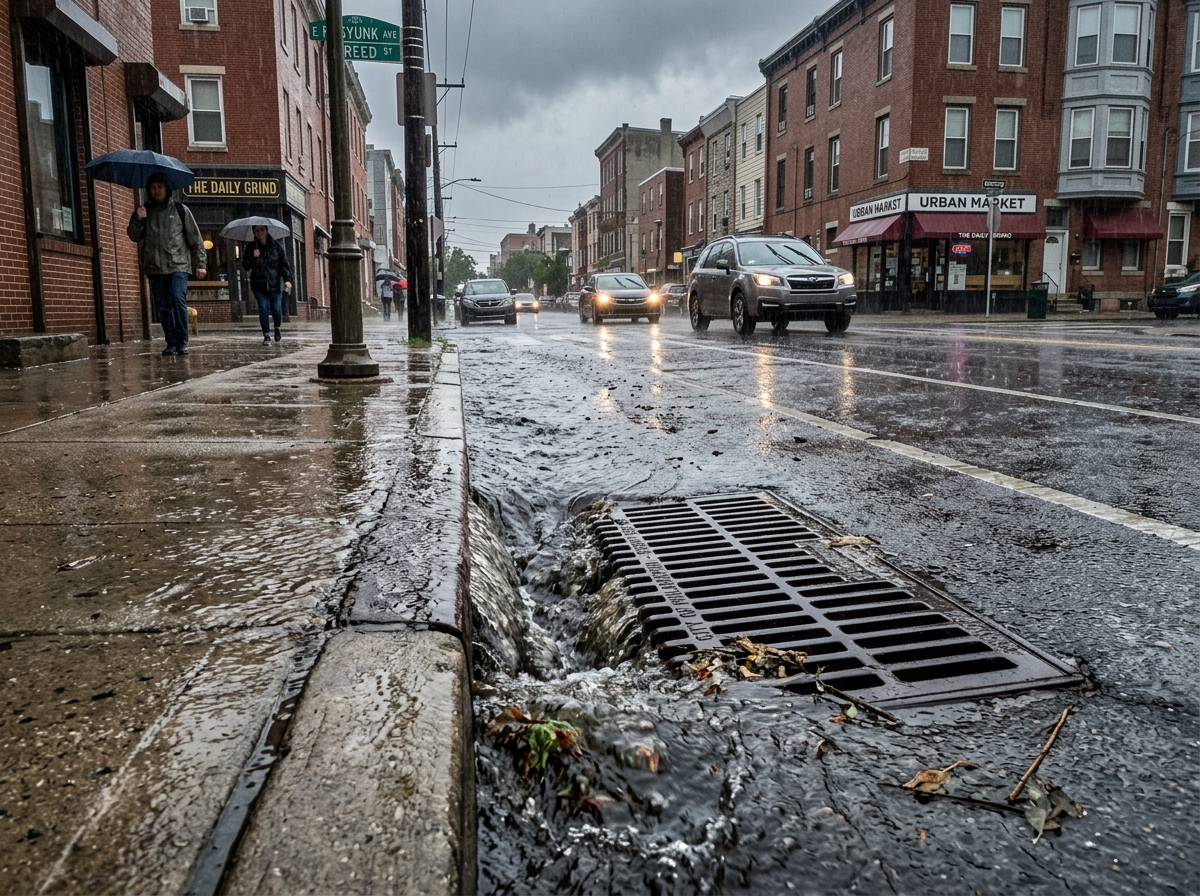
Whether you're a developer, contractor, or utility professional, stormwater doesn't wait for anyone. More frequent storms, tighter regulations, and aging underground infrastructure are putting real pressure on every project — especially in fast-growing regions like the Carolinas.
That's exactly why events like this matter. The WEF conference brings together the latest science, tools, and field-tested practices in one place. Topics range from smart sewer sensors to inflow and infiltration reduction — things that directly affect whether your underground utility systems hold up long-term.
This guide walks you through everything you need to know: the technical program, registration, housing, networking, and how to make the most of your time in Houston.
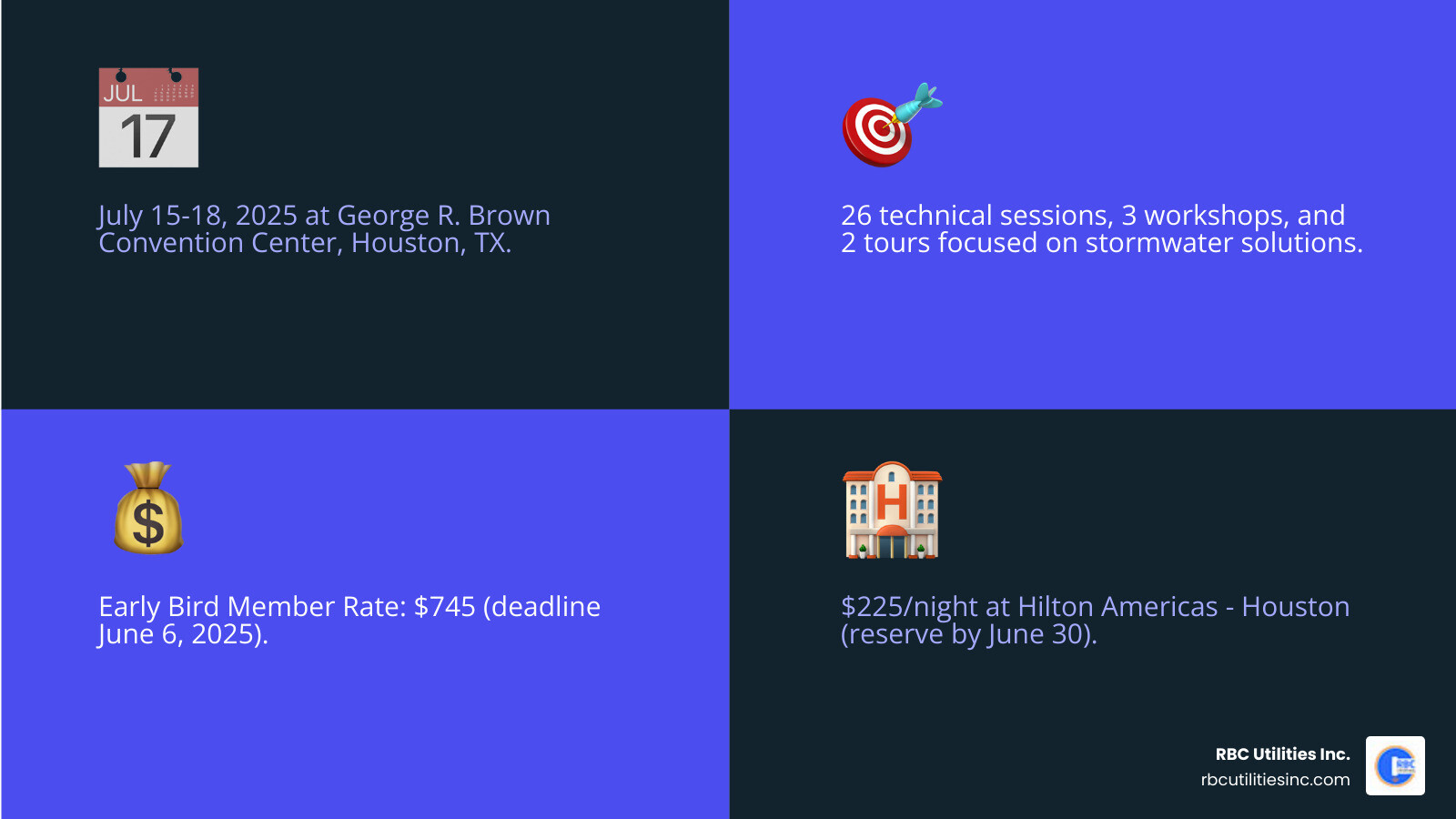
When we think about the future of infrastructure in the Carolinas, we often look toward national leaders for the best "field-tested" strategies. The 2025 wef stormwater conference is the premier stage for these insights. This year, the Water Environment Federation (WEF) is partnering with the Water Environment Association of Texas (WEAT) to host the event at the George R. Brown Convention Center in Houston, Texas, from July 15 to July 18, 2025.
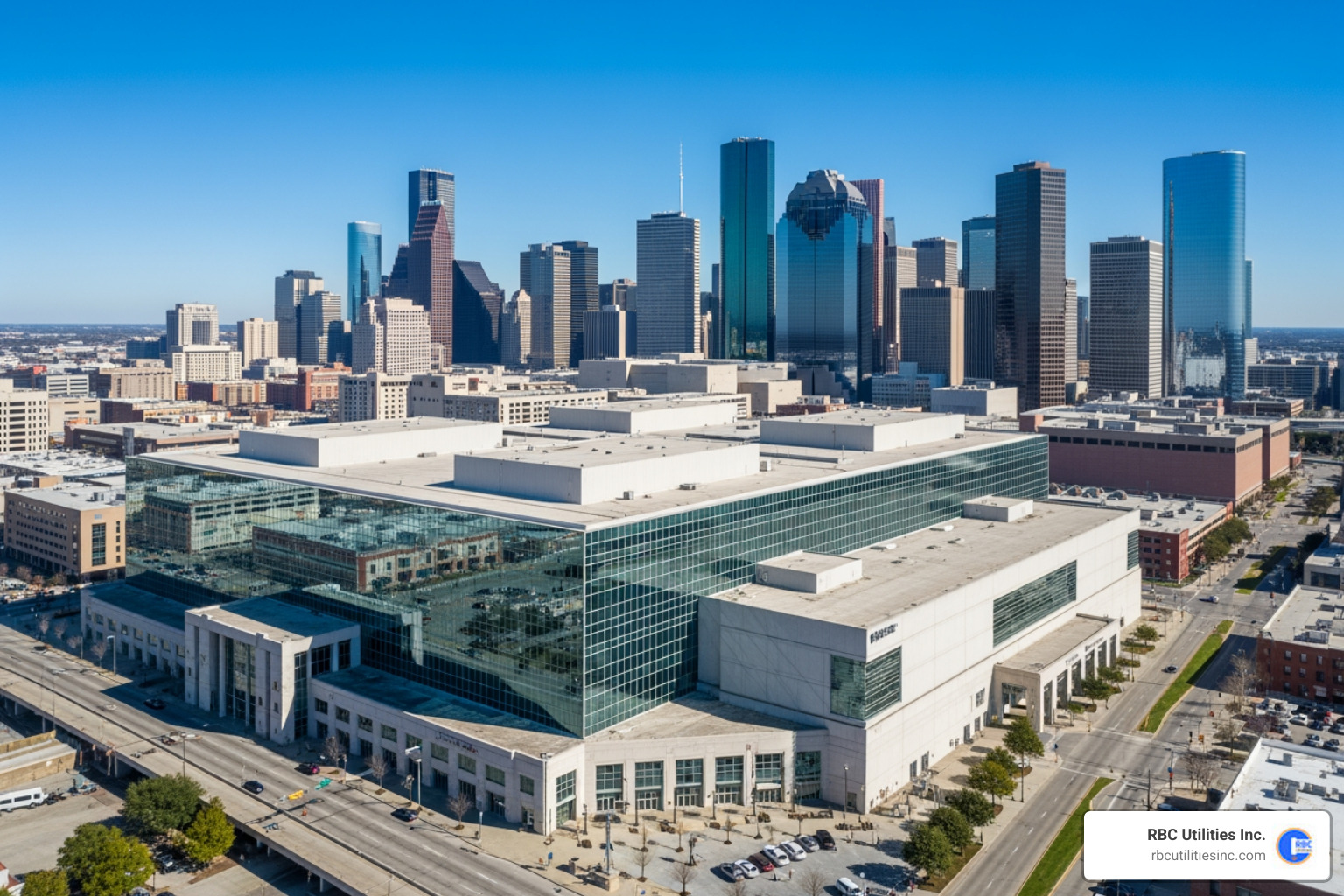
This partnership is a big deal because it blends global expertise with regionally relevant insights. Houston, much like our coastal and inland communities in North and South Carolina, faces significant challenges with wet weather events and rapid urbanization. By attending, we get to see how other major hubs are handling the same "rainfall to results" pipeline that we deal with every day on our job sites.
The program is packed. Attendees can expect:
To get started, you can Learn more & Register! and see how this program addresses the growing challenges to our nation’s collection and stormwater systems.
We know how it goes—projects get busy, and deadlines can slip through the cracks. However, if you want to save a significant chunk of change on your registration, you’ll want to mark June 6, 2025, on your calendar. That is the cutoff for Early Bird rates.
Here is the breakdown of what you can expect to pay:
If you can't make the full four-day stretch, there are one-day conference passes available as well. All full-conference registrations include access to the technical sessions, networking events, digital conference proceedings, and scheduled luncheons on Wednesday and Thursday.
You can Register Now to secure your spot. If your plans change, you must submit cancellation requests in writing by June 27 to receive a 75% refund.
After a long day of talking about pipe diameters and flow rates, you’re going to need a place to rest. The official conference headquarters is the Hilton Americas - Houston. We recommend staying here not just for the convenience, but because it’s where the "after-hours" networking happens in the lobby and elevators.
The conference rate is $225 per night (plus tax), but you must RESERVE ONLINE by the June 30, 2025, deadline to get that price. For those working in the public sector, there is also a limited number of rooms available at the government rate of $128 per night, which can be booked here: RESERVE AT GOVERNMENT RATE.
Now, let's talk about the fun part. The "Texan Takeover" is the social event of the conference. On the evening of July 15, everyone is heading to the Saint Arnold Brewing Company. For a $35 registration fee, you get food, beer, and a chance to network with the brightest minds in the industry in a relaxed setting. It’s a great place to discuss social equity in water management or just swap stories from the field. Just make sure to get your tickets by June 30!
The core of the wef stormwater conference is its technical program. As infrastructure professionals in the Carolinas, we are constantly looking for ways to make systems more efficient and durable. The 2025 sessions lean heavily into two major themes: Inflow and Infiltration (I/I) reduction and the rise of smart infrastructure.
One of the standout workshops is titled "Winning at I/I Reduction – Building on Key Learnings from Successful Utilities." For those of us managing aging clay or concrete pipes in North Carolina, I/I is a constant battle. The research shows that new "Target Basin Assessment" methods can identify I/I sources 10 to 20 times faster than traditional methods. Imagine the time and money saved if we could pinpoint leaks with that kind of precision.
Perhaps the most staggering statistic from the conference research is that smart infrastructure solutions could save utilities up to $320 billion in capital and operating expenses globally. By using digital twins, real-time monitoring, and predictive analytics, we can move from reactive maintenance to proactive management. This isn't just "tech for tech's sake"—it’s about ensuring that the stormwater systems we build today don't become the liabilities of tomorrow.
To understand the broader vision behind these sessions, it’s worth reading the Rainfall to Results: The Future of Stormwater report. It shifts the paradigm from seeing stormwater as a nuisance to viewing it as a valuable resource that can be managed through a mix of green, gray, and natural infrastructure.
The conference also features two tours that provide a "boots-on-the-ground" look at massive infrastructure:
If you want to see the latest equipment—from high-tech inspection cameras to innovative pipe materials—the exhibition floor is the place to be. The wef stormwater conference exhibition is where manufacturers and service providers showcase the tools that make our jobs easier.
For businesses looking to get their name in front of decision-makers, the sponsorship and exhibition opportunities are robust.
If your company is interested in exhibiting in Houston, you should SUBMIT YOUR BOOTH APPLICATION as soon as possible. You can also VIEW THE FLOOR PLAN to see which spots are still available.
The wef stormwater conference isn't a one-off event; it’s part of a continuous cycle of professional development.
The trend we’re seeing across these events is a move toward "integrated planning." This means looking at the entire watershed—uplands, drainage basins, wetlands, and groundwater—as a single connected system. For us in the Carolinas, this holistic approach is vital as we balance rapid development with the need to protect our natural water resources.
Navigating a national conference can be overwhelming, so we’ve rounded up some of the most common questions we hear from folks in the industry.
One of the biggest draws of the wef stormwater conference is the ability to earn Continuing Education Credits (CEUs) or Professional Development Hours (PDHs). To earn these, you simply need to attend the technical sessions and workshops. WEF provides documentation that you can use for your certification maintenance. It’s a great way to stay current on your licenses while learning about the latest industry trends.
If you plan on attending, joining WEF or WEAT is a "no-brainer." The discount on registration alone often covers the cost of membership.
You can Join or Renew Online to start accessing these benefits immediately.
The technical tours are often the highlight of the trip. In Houston, you’ll get an insider’s look at the 69th Street Wastewater Treatment Plant. You’ll see their cryogenic plants that produce 300 tons of oxygen per day and learn how they manage such massive flows during storm events. The Keith-Wiess Park tour is equally impressive, showing how a detention basin can be a beautiful community asset rather than just a fenced-off hole in the ground. These tours provide real-world infrastructure applications that you can bring back to your own projects in the Carolinas.
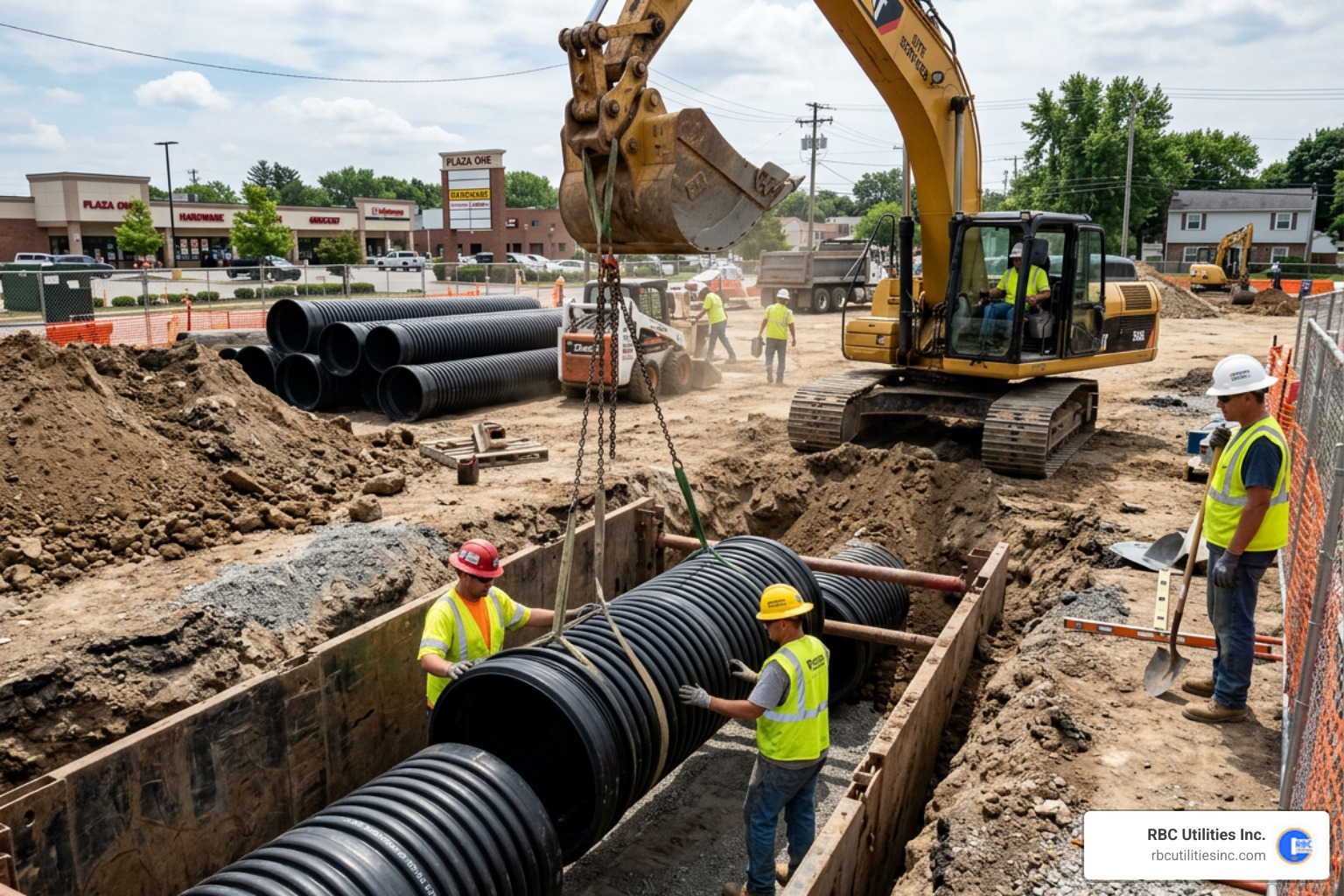
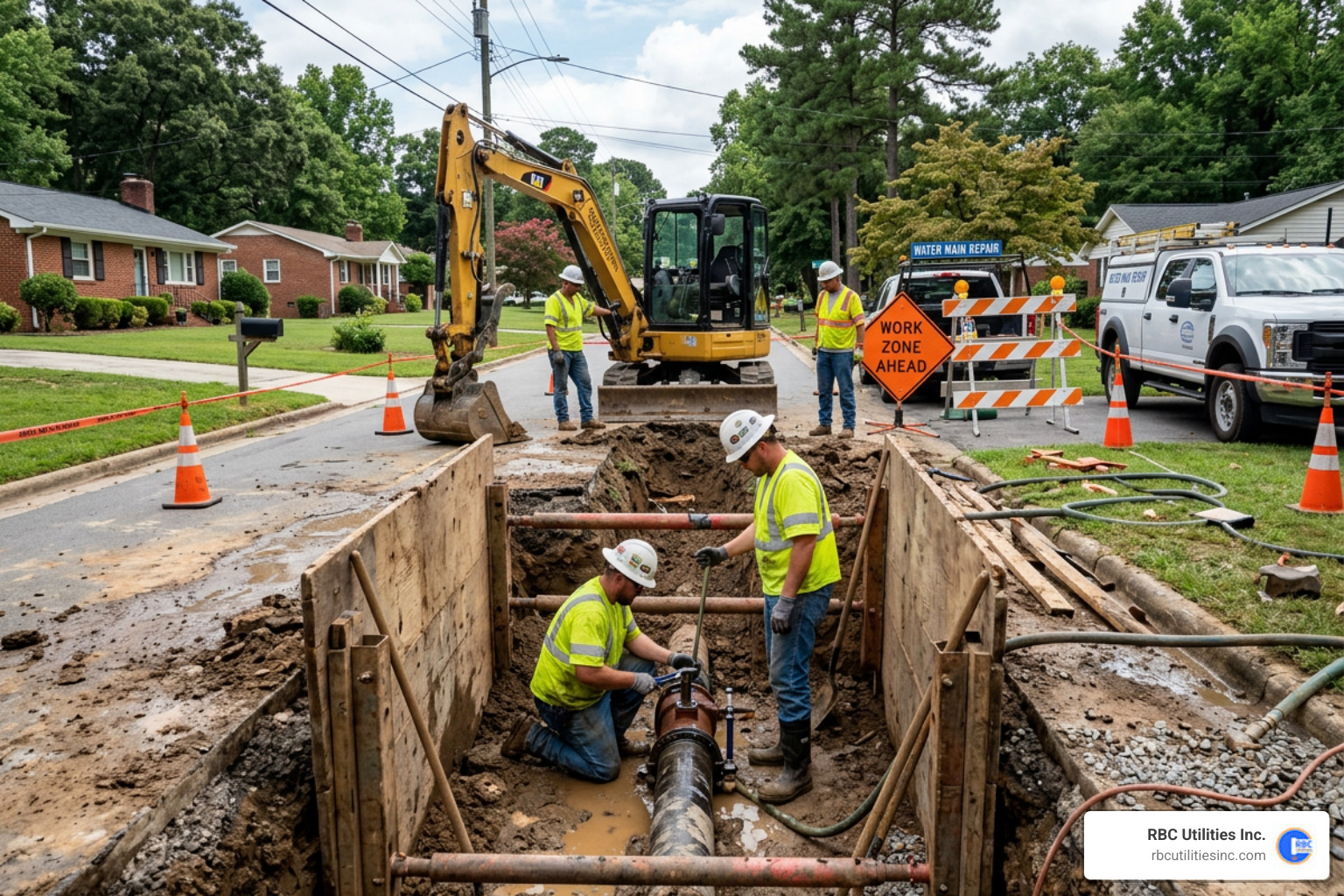
At RBC Utilities Inc., we know that the work we do underground is the foundation for everything above it. Whether we are constructing water lines in Charlotte or storm drains in the surrounding Carolinas, we understand that quality and reliability are non-negotiable.
The insights gathered from the wef stormwater conference reinforce what we’ve always believed: the future of infrastructure depends on a blend of smart technology, proven engineering, and a commitment to safety. By staying at the forefront of stormwater management trends—like I/I reduction and climate resilience—we ensure that our municipal and commercial clients receive the best possible service.
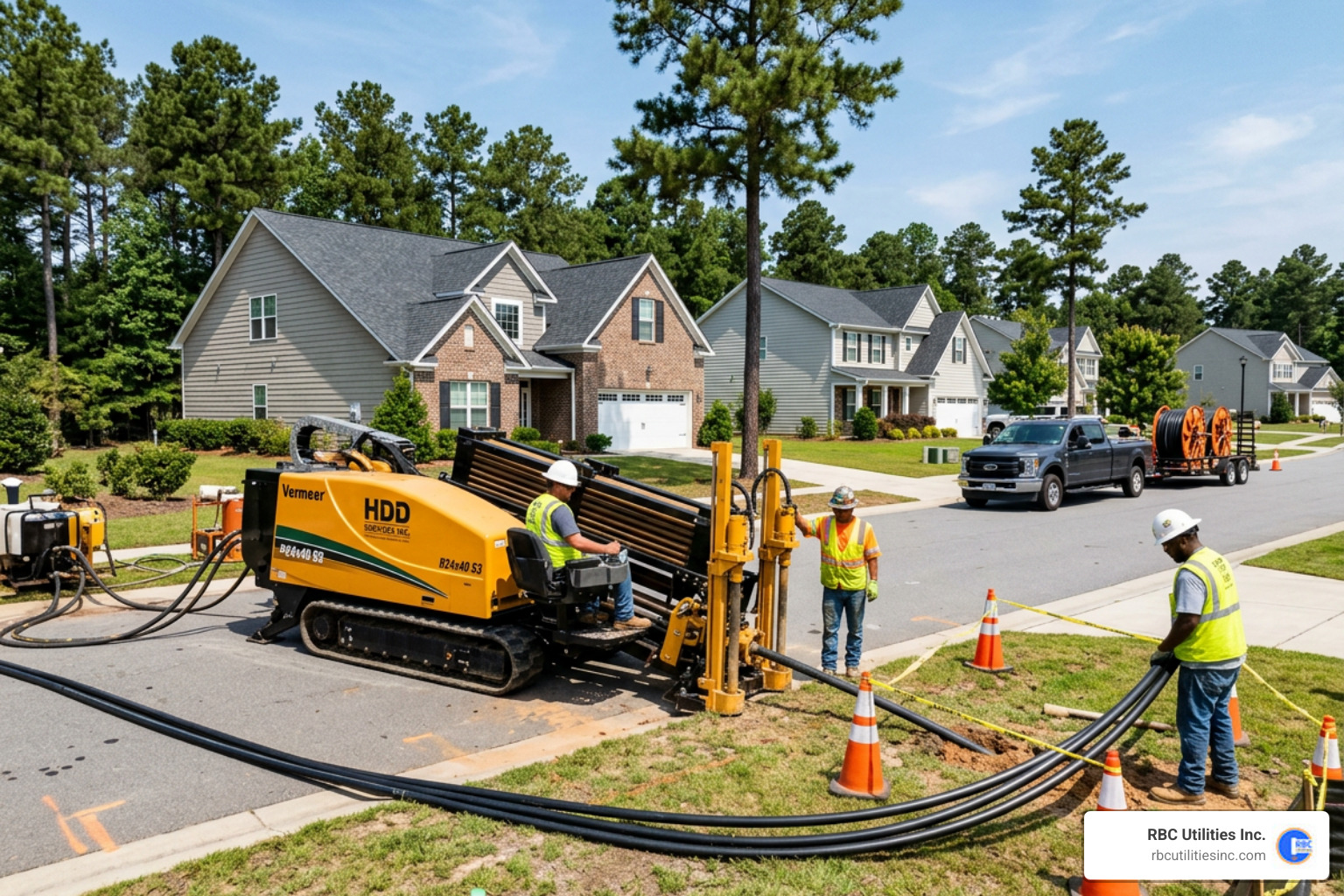
If you are looking for a partner who brings local Carolinas expertise backed by national resources, we are here to help. From residential developments to major municipal utility projects, we emphasize safety, reliability, and the kind of craftsmanship that lasts for generations.
We hope to see you in Houston this July! Let’s work together to build a more resilient future, one pipe at a time.
Part of Saga Infrastructure, protecting what others built and helping it grow.
Address: 4404 Stuart Andrews Blvd., Suite K, Charlotte, NC 28217
Email: info@rbcutilitiesinc.com
Phone: 803-913-9727
Service Area: North Carolina | South Carolina