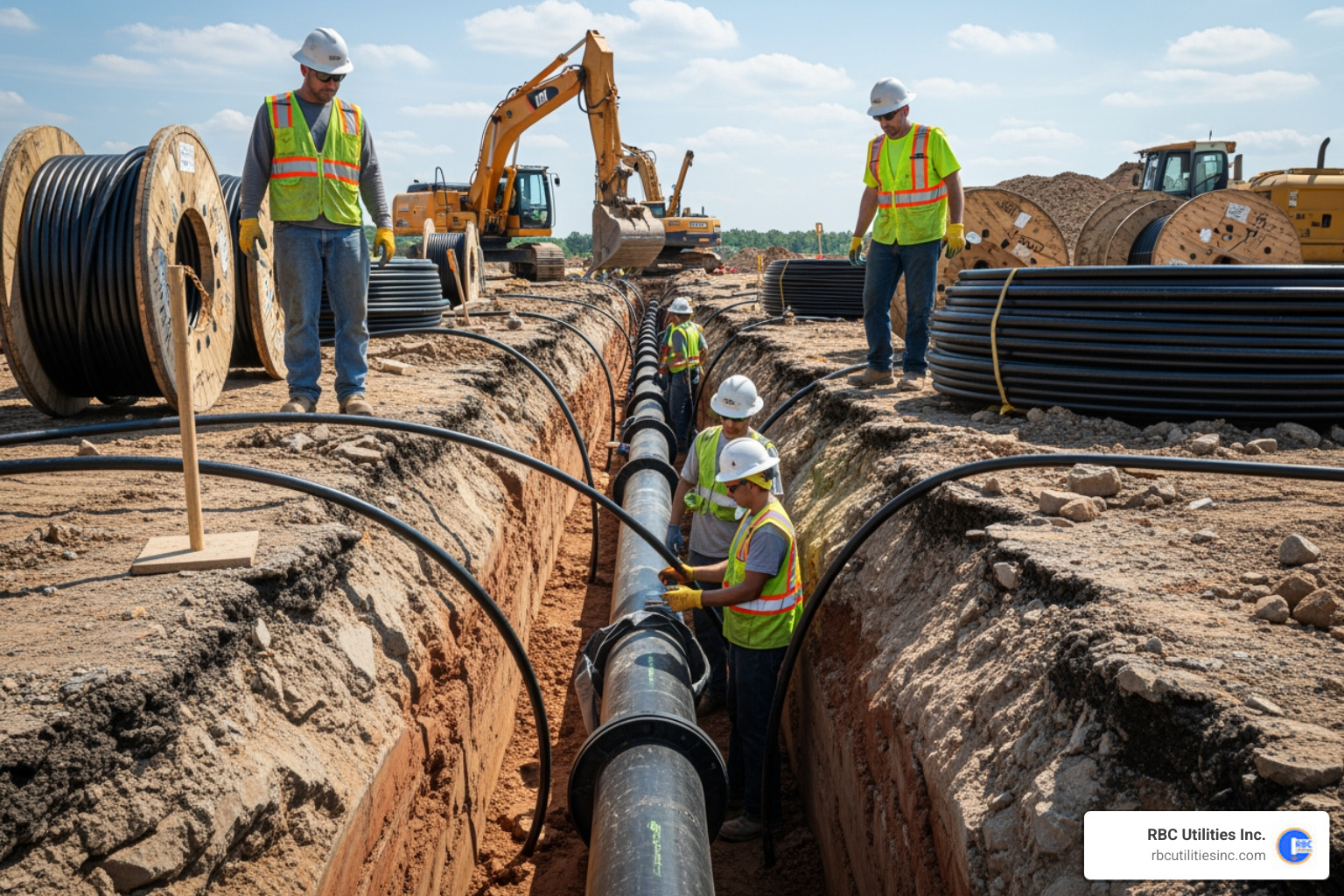
Commercial electric service is the delivery of electrical power to businesses, commercial buildings, and multi-unit developments through a utility provider's infrastructure. If you're a developer or contractor planning a new build, here's what you need to know upfront:
Quick overview — what commercial electric service involves:
Electrical infrastructure isn't just one line item on your project checklist. It's the backbone that everything else depends on. Without power, nothing else on your site works — no HVAC, no lighting, no equipment.
For mid-sized developers and general contractors in the Carolinas, getting commercial electric service right means more than just flipping a switch. It means coordinating with utility providers, meeting technical specifications, managing timelines, and staying compliant with local codes — all while keeping your project on schedule and on budget.
A single missed step, like an incomplete site inspection or an improperly installed transformer pad, can stall your entire project for weeks.
This guide walks you through every stage of the process — from the first application to final energization — so you know exactly what to expect and what's expected of you.

Establishing a new commercial electric service in the Carolinas isn't as simple as calling up a provider and asking them to "turn the lights on." It is a multi-phased engineering and construction project. The journey begins long before the first wire is pulled.
The first hurdle is often administrative. You must obtain a valid 911 address from your local town or county office. Without this verified address, most utilities cannot even create a work request in their system. Once you have your address, you’ll typically head to a user-friendly portal to submit a formal Service Request Form.
After submission, the utility assigns a distribution designer to your project. This is where the heavy lifting starts. If your project is large-scale—specifically requesting more than 200kW (which is generally greater than 800 amps, three-phase)—it triggers a more rigorous Engineering Review. During this stage, we look at load calculations to ensure the existing grid can handle your building's demands.
A site visit is usually required. This is the time for key decision-makers, including the developer and the electrical contractor, to meet the utility representative. You’ll discuss the route of the lines, the location of the meter, and any necessary easements. Easements are legal permissions that allow the utility to place equipment on property they don't own; securing these early is vital to avoiding project "stuck" points.
Before you even log into the Electric Connections Portal, you need your documentation in order. Think of this as the "due diligence" phase. Utilities in the Carolinas generally require a comprehensive package to move from a request to a design.
Your application should include:
Many modern utilities use platforms like the PowerPartner Portal to manage these documents. Having digital versions of your one-line diagrams and plot plans ready for upload will save you days of back-and-forth emailing.
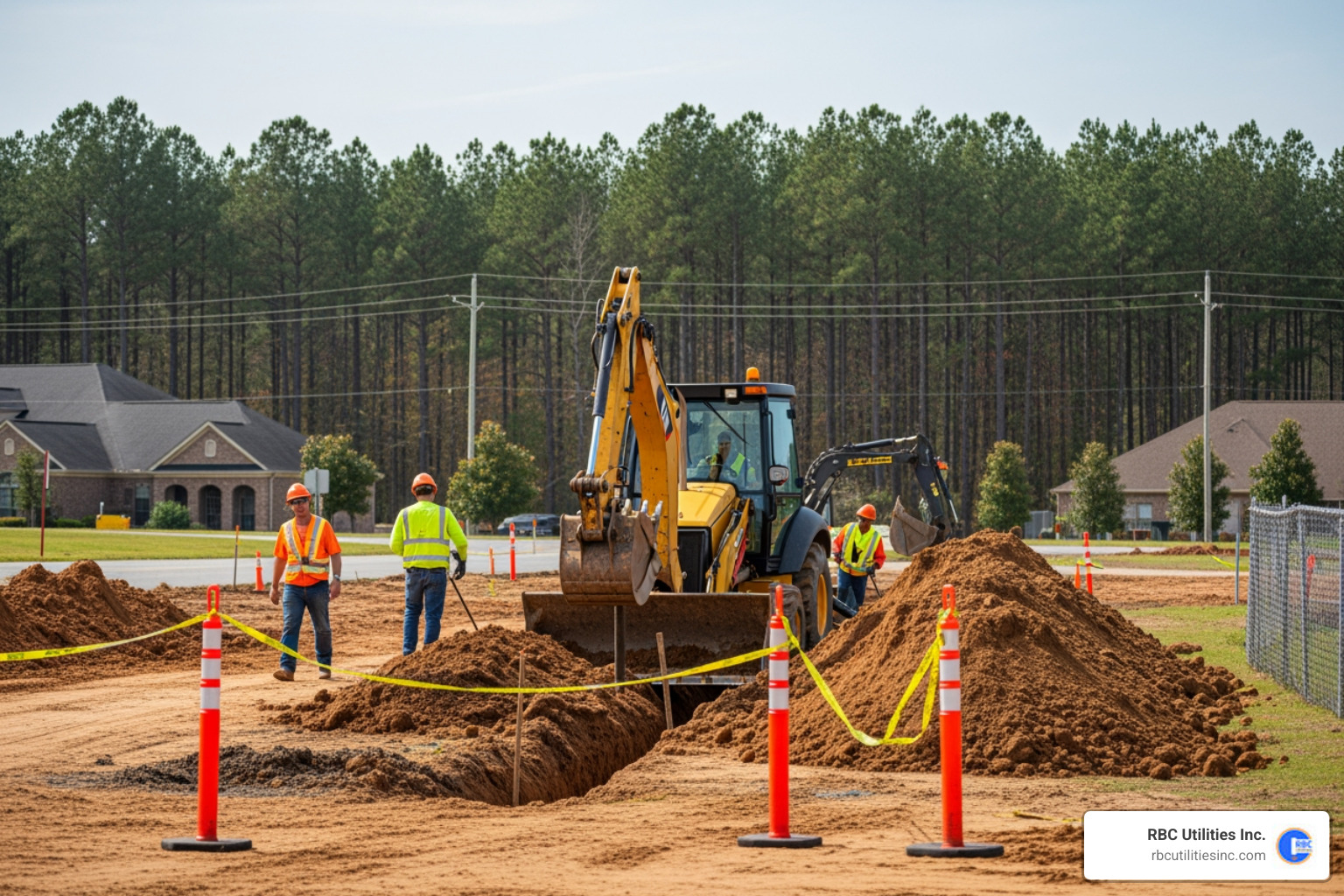
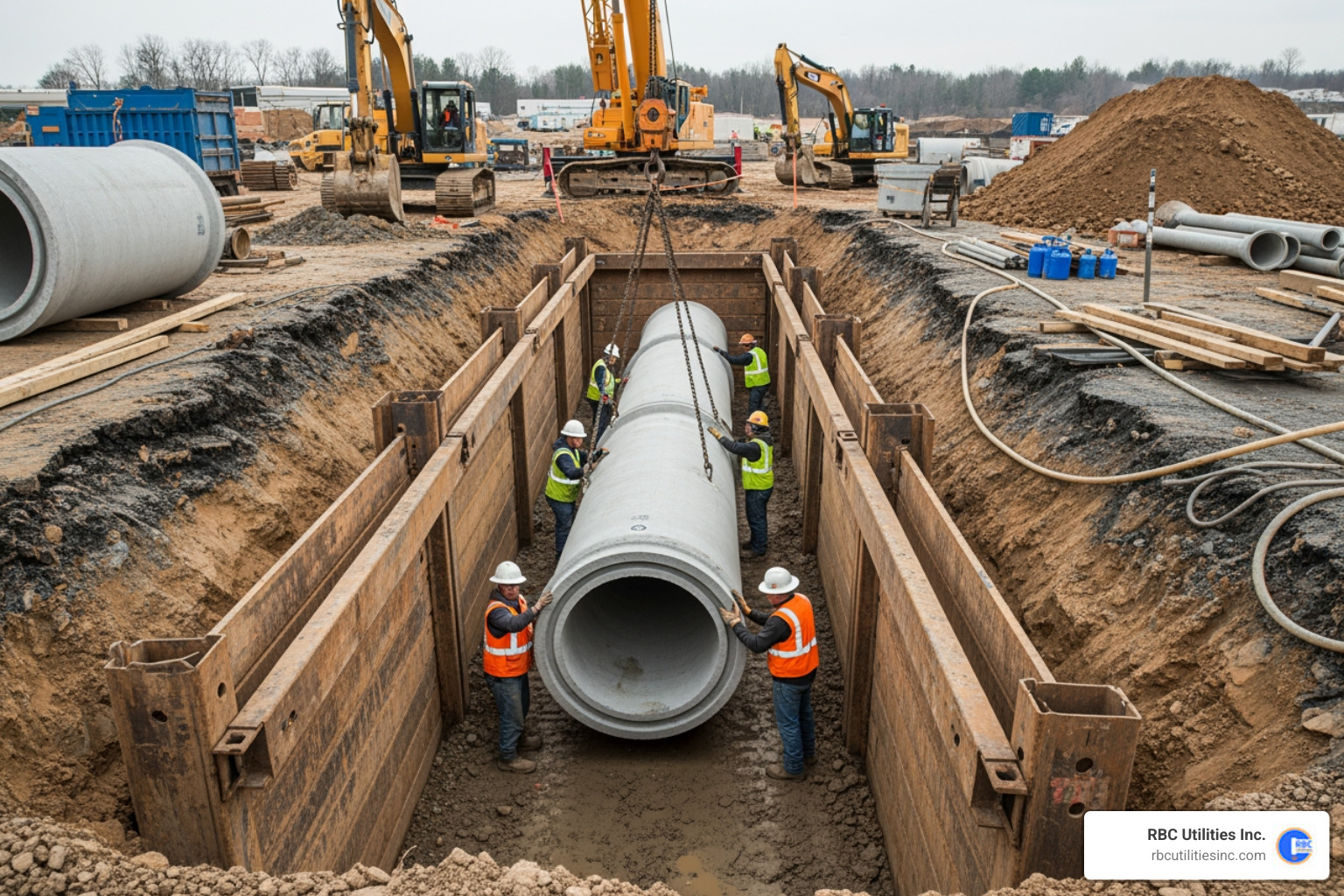
One of the biggest misconceptions in commercial electric service is that the utility does all the work. In reality, there is a clear division of labor. While the utility provides the transformers and the high-voltage "juice," the developer or their contractor is responsible for the "civil" side of the infrastructure.
Your responsibilities typically include:
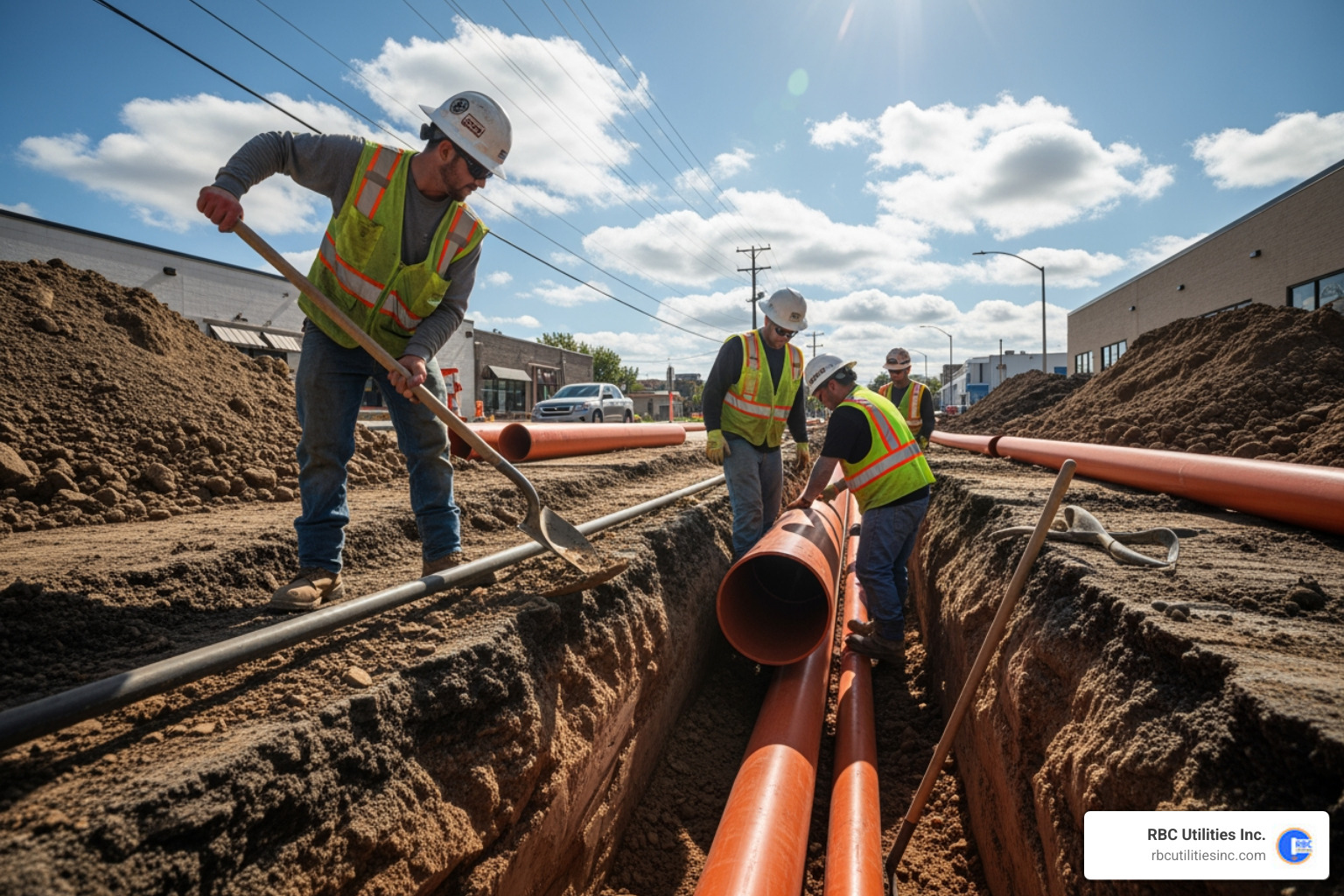
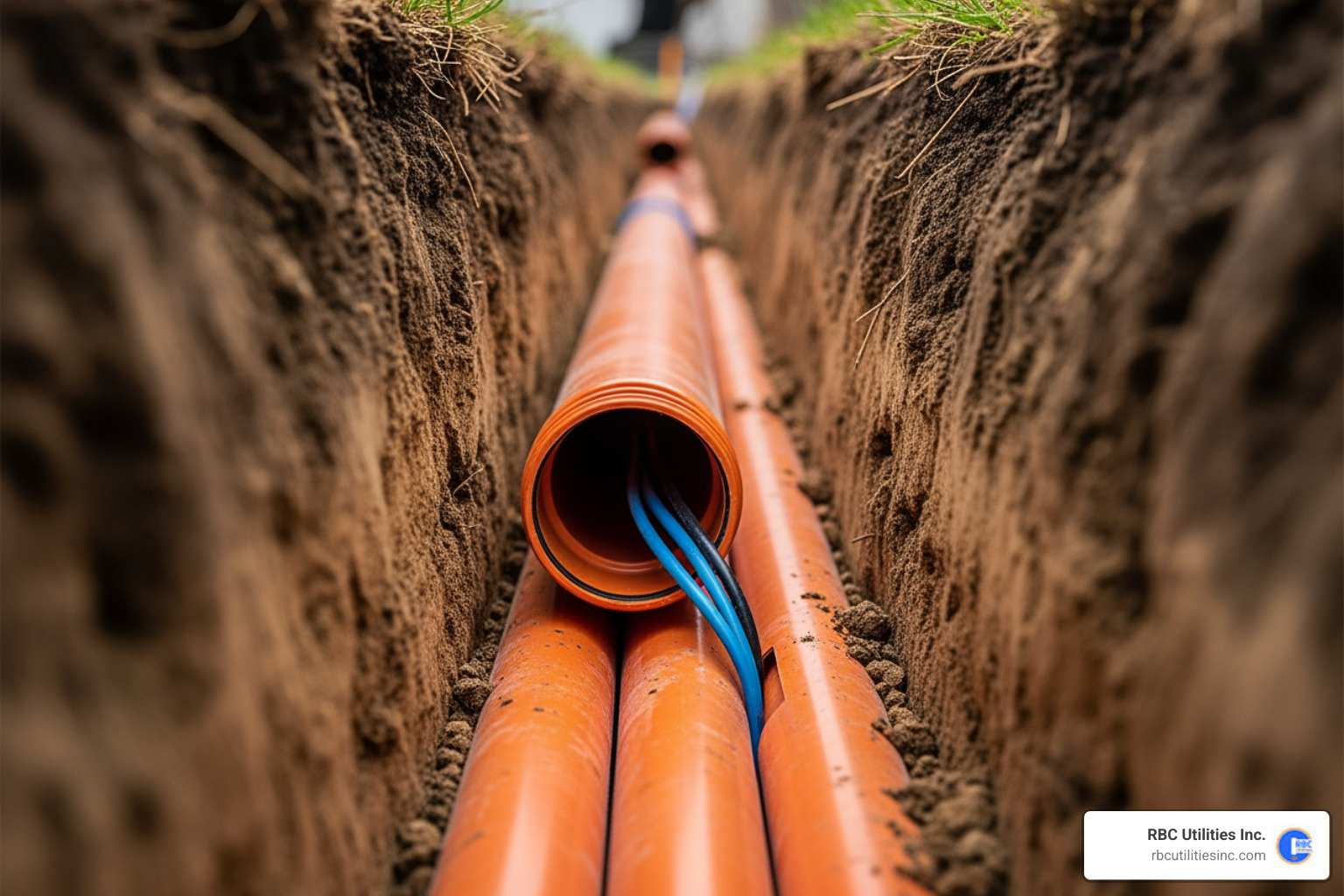
The technical specifications for a commercial project are much more stringent than residential ones. The primary choice you’ll face is between overhead and underground installation. While overhead is often cheaper initially, underground is the standard for modern commercial developments in Charlotte and surrounding areas due to its reliability and aesthetic appeal.
| Requirement | Underground Installation | Overhead Installation |
|---|---|---|
| Clearance Path | Minimum 10-foot wide clear path | Minimum 30-foot wide clear path |
| Path Preparation | Graded to within 6 inches of final grade | Clear of trees and structures |
| Equipment | Transformer pads and vaults required | Poles and guy-wires required |
| Protection | Conduit (Schedule 40/80) | Vertical clearance from buildings |
Most commercial buildings require three-phase service, which provides more stable power for heavy motors and large HVAC systems. If your service exceeds 200A three-phase, or 320A single-phase, the utility will require more advanced metering equipment.
Metering is the "cash register" of the electric world. For small commercial buildings, a self-contained meter (similar to a home meter but with a heavy-duty bypass) is sufficient. These require a jaw-clamping lever bypass—horn-type bypasses are generally not acceptable for commercial use.
However, once you cross certain thresholds—typically single-phase over 320A or any three-phase over 200A—you move into instrument-rated metering. This involves Current Transformers (CTs) that "step down" the current so it can be safely measured.
Before the utility will set these meters, you must complete a final inspection checklist. This ensures that all units are clearly labeled, the sockets are correctly wired, and the site is safe for the technician.
Safety is non-negotiable. Utilities have strict rules about how close buildings or landscaping can be to electrical equipment. For example, padmount transformers (those green boxes you see in parking lots) usually need 10 to 20 feet of clearance from building openings like windows or doors, depending on the fire rating of the wall.
To ensure your site is ready for the crew, follow these Safe Work Site Guidelines:
Budgeting for commercial electric service requires looking beyond the monthly bill. The upfront "Line Extension" costs can be significant. Utilities often charge a unit cost per linear foot for extensions. For example, a single-phase extension under 1,000 feet might have a fixed rate, but anything beyond that—or any three-phase work—will require a custom estimate.
Common fees include:
We always recommend developers set aside a 10-15% contingency allowance in their electrical budget. Unexpected rock in the trench path or changes in the municipal code can lead to change orders that eat up a tight budget quickly.
Time is money, especially in construction. You cannot rush the utility's process, so you must plan for it.
Choosing the right partner for your commercial electric service is the difference between a smooth project and a nightmare of fines and delays. In the Carolinas, you want a contractor who understands the local landscape.
While requirements vary by state, becoming a licensed electrician generally requires roughly 8,000 hours of on-the-job training—about four years of dedicated work. When vetting a contractor, ask for their B2B history. Do they have experience with industrial systems, or are they primarily residential? Industrial and commercial systems involve higher voltages and more complex motor controls that a residential "sparky" might not be equipped to handle.
Always verify:
For a deeper look at what the utility expects from your contractor, review the Commercial Design Process documentation.
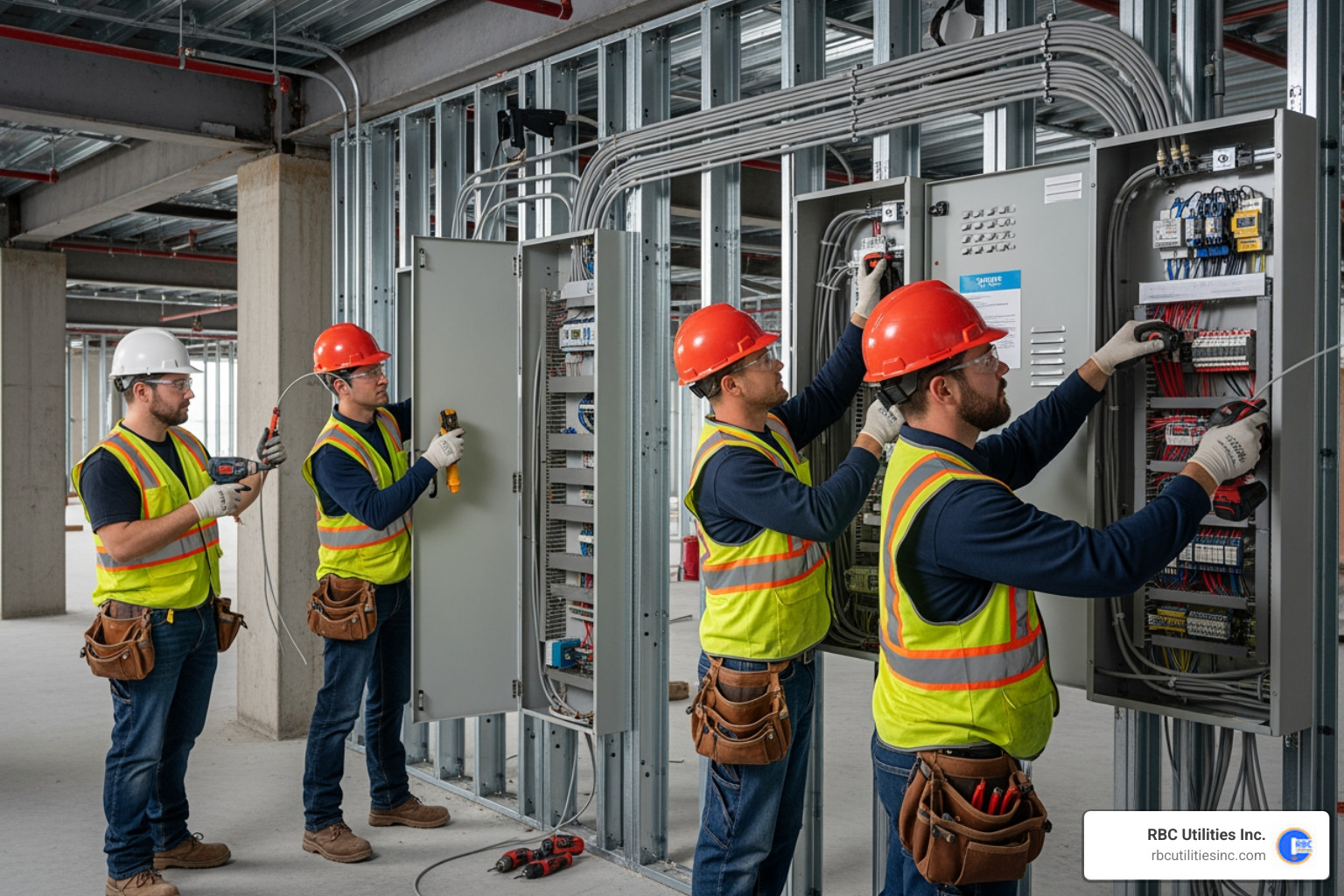
No utility in the Carolinas will energize a new service without an "OK" from a municipal inspector. This is a legal safeguard to ensure the building won't catch fire the moment the breakers are thrown.
Your electrical work must comply with the National Electrical Code (NEC), along with any local amendments specific to cities like Charlotte or Raleigh. The process works like this:
Non-compliance isn't just a matter of fines; it's a liability. If an unpermitted system fails, your insurance provider may deny any resulting claims.
Once the power is on, the job isn't over. Commercial electric service systems are under constant stress. Preventative maintenance is the best way to avoid a "dark site" scenario that halts your business operations.
We recommend an annual inspection that includes:
This is also a great time to look at energy efficiency. LED retrofits and occupancy sensors can drastically reduce your monthly demand charges. For businesses with heavy refrigeration, like grocery stores, installing ASH (Anti-Sweat Heat) controllers can prevent energy loss and keep your displays clear.
Even the best-maintained systems face threats from North Carolina storms and lightning. To protect your investment, consider Transient Voltage Surge Suppressors (TVSS). These devices protect sensitive electronics—like your servers and POS systems—from the massive spikes caused by lightning or grid switching.
For businesses that cannot afford a single minute of downtime (like medical facilities or data centers), standby generators are essential. A commercial electric contractor can install an automatic transfer switch that kicks the generator on the moment the utility power dips, ensuring total business continuity.
From the moment you submit your request to the day the lights turn on, you should plan for 3 to 5 months. This accounts for design (1-2 months), scheduling (1 month), and construction/inspection (1 month). Starting early is the best way to prevent your grand opening from being delayed by the grid.
Self-contained meters handle the full flow of electricity directly through the meter. They are used for smaller loads (under 200-320 Amps). Instrument-rated metering uses "Current Transformers" to measure a fraction of the power, which the meter then multiplies to find the actual usage. This is used for high-capacity industrial and large commercial services.
The utility's responsibility ends at the meter. The municipal inspection ensures that everything inside your building—the wiring, the panels, and the outlets—is safe and meets the National Electrical Code. It protects the utility's equipment from being damaged by a short circuit in your building and, more importantly, protects the occupants of the building.
Building the infrastructure for a successful business starts from the ground up—literally. Reliable commercial electric service is the heartbeat of your operations, and getting it right requires a blend of technical expertise, rigorous planning, and local knowledge.
At RBC Utilities Inc., we understand the unique challenges of the Carolinas landscape. Whether you are developing a new retail center in Charlotte or an industrial complex in South Carolina, our team provides the underground utility expertise needed to lay a solid foundation. Backed by the national resources of Saga Infrastructure, we emphasize safety and reliability in every conduit we lay and every trench we dig.
Ready to power up your next project? Explore Our Services to see how we can help you build the infrastructure of the future.
Part of Saga Infrastructure, protecting what others built and helping it grow.
Address: 4404 Stuart Andrews Blvd., Suite K, Charlotte, NC 28217
Email: info@rbcutilitiesinc.com
Phone: 803-913-9727
Service Area: North Carolina | South Carolina