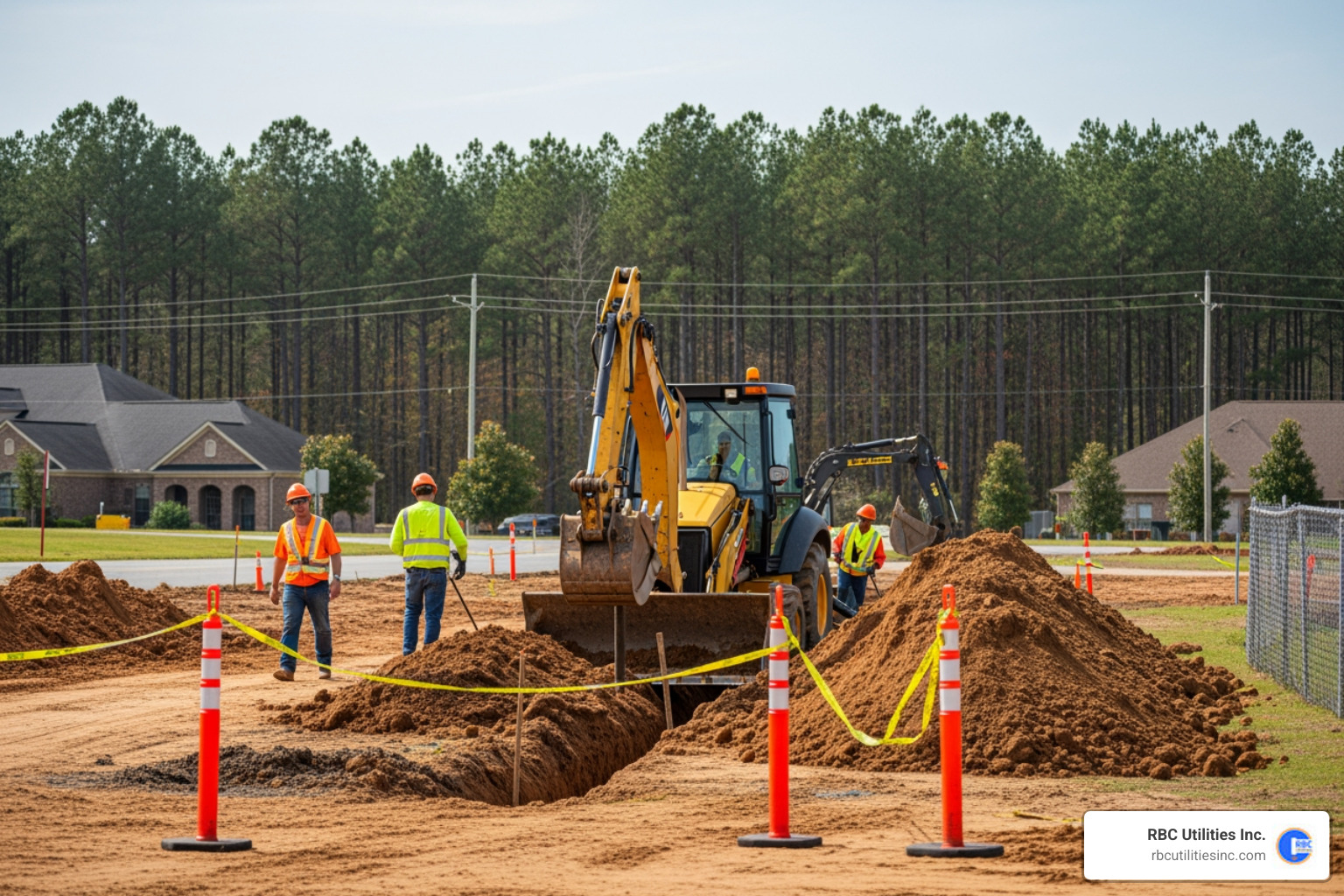
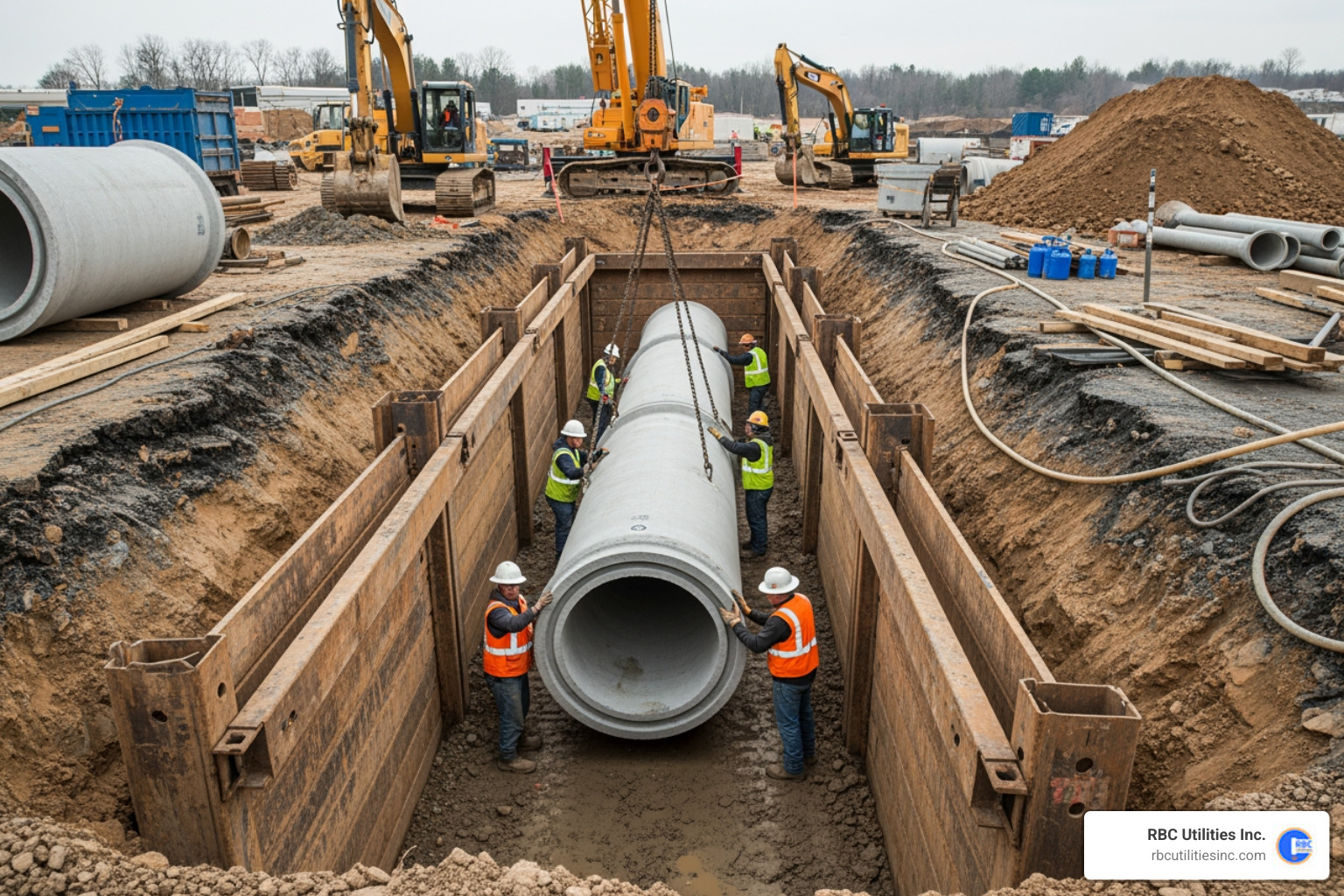
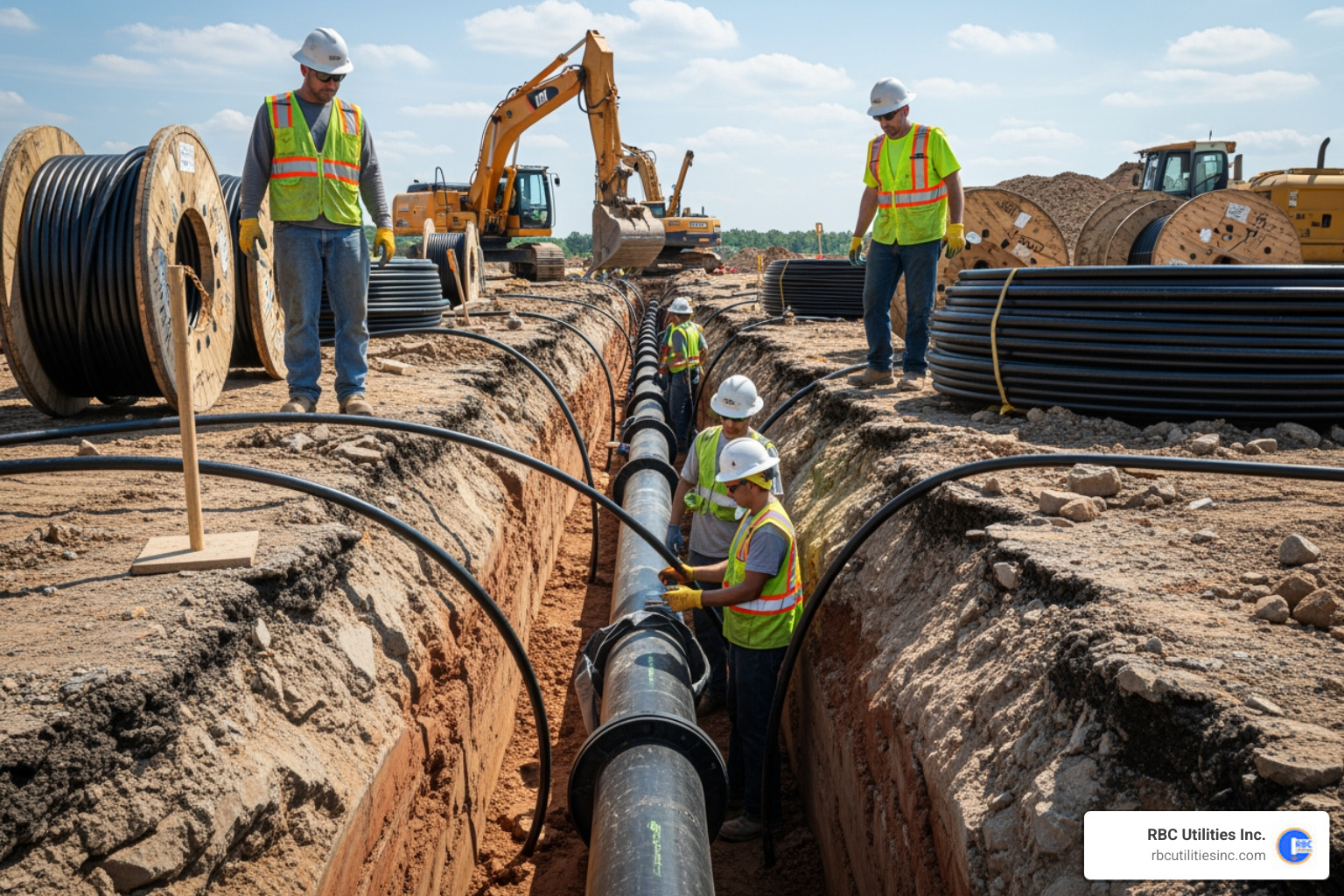
Trenchless utility installation in the Carolinas is the go-to method for installing underground pipes, conduits, and cables with little to no surface disruption. Here's a quick overview of what it involves:
Quick Answer: What Is Trenchless Utility Installation?
The Carolinas are growing fast. New residential developments, commercial corridors, and municipal upgrades are pushing demand for reliable underground utility infrastructure across both North and South Carolina.
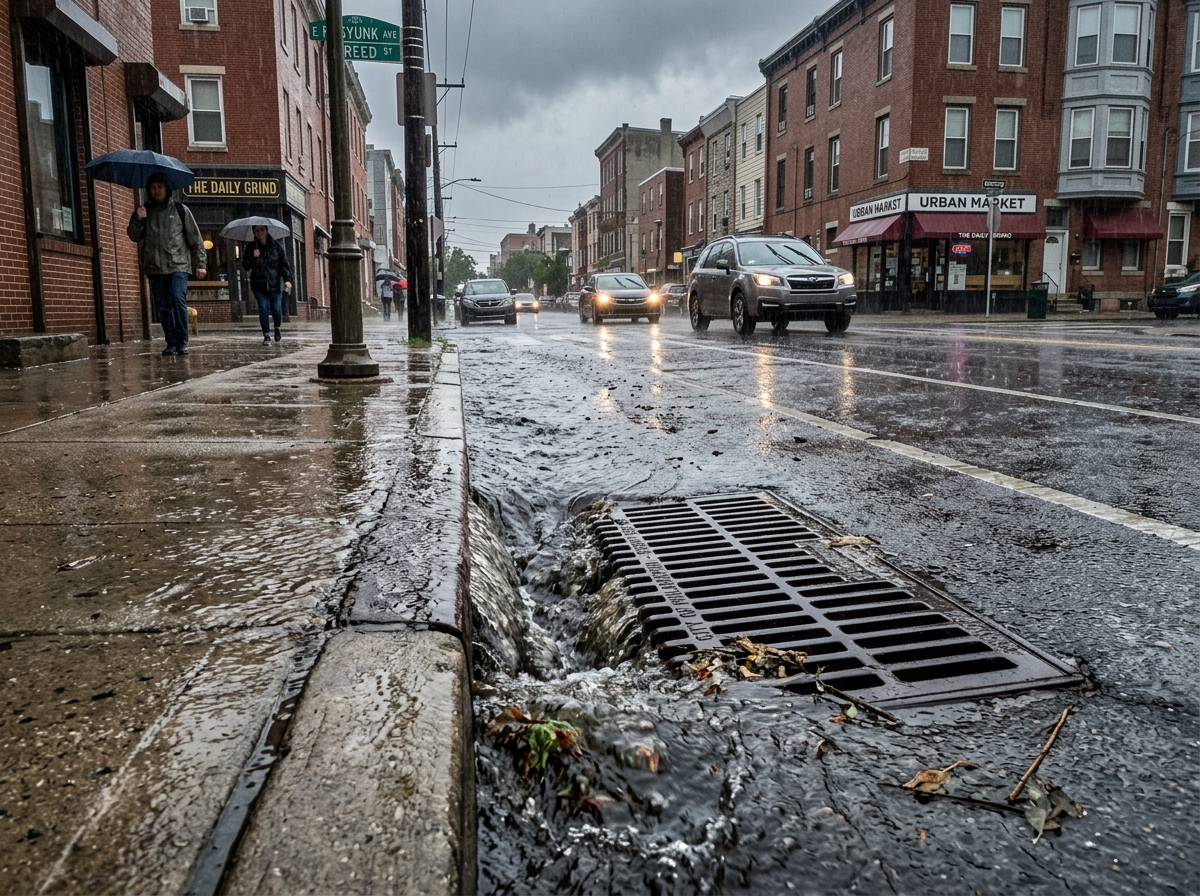
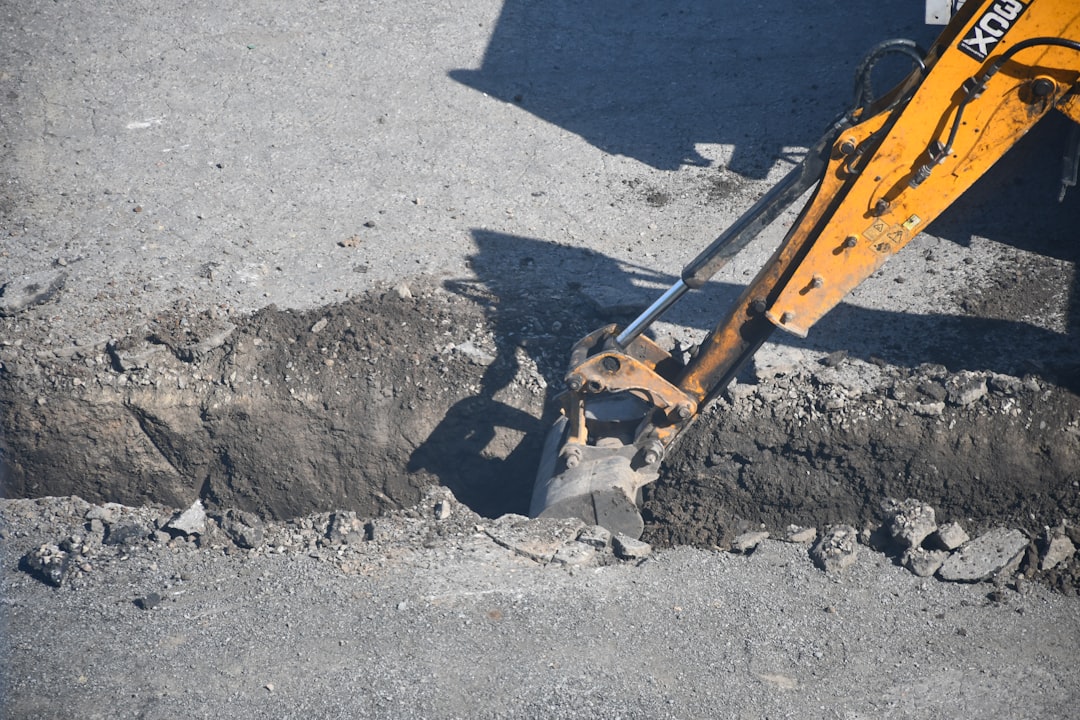
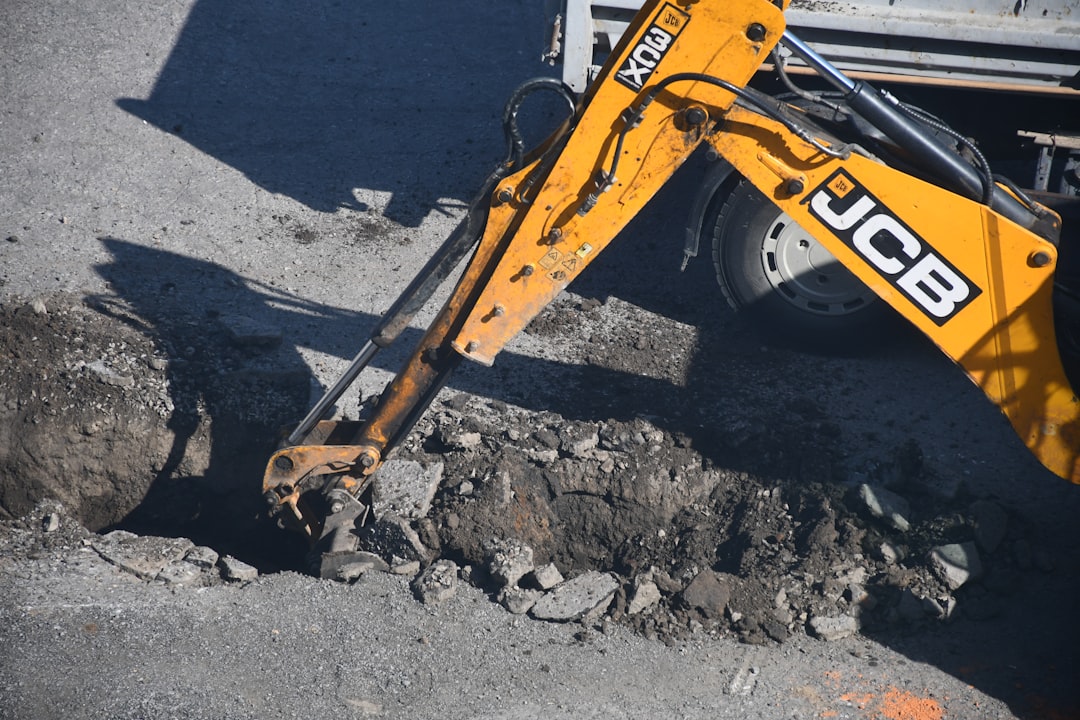
The problem? Traditional open-cut trenching tears up roads, disrupts traffic, damages landscaping, and slows projects down. In dense urban areas, historic downtowns, and environmentally sensitive zones, that kind of disruption is not an option.
That's where trenchless methods come in.
Whether you're routing conduit under a highway in Raleigh, crossing a river near the coast, or adjusting utility grades in a historic mountain town, trenchless technology gives contractors a way to get the job done faster, cleaner, and with less risk to the surrounding environment and community.
In this guide, RBC Utilities Inc. walks you through everything you need to know — from choosing the right technique for your soil conditions to understanding safety compliance and project costs across the Carolinas.
In infrastructure, one size rarely fits all. The Carolinas present a unique "mixed bag" of geography—from the hard Appalachian rock in the west to the shifting coastal sands in the east. To master trenchless utility installation Carolinas projects, we utilize a variety of specialized "no-dig" techniques.
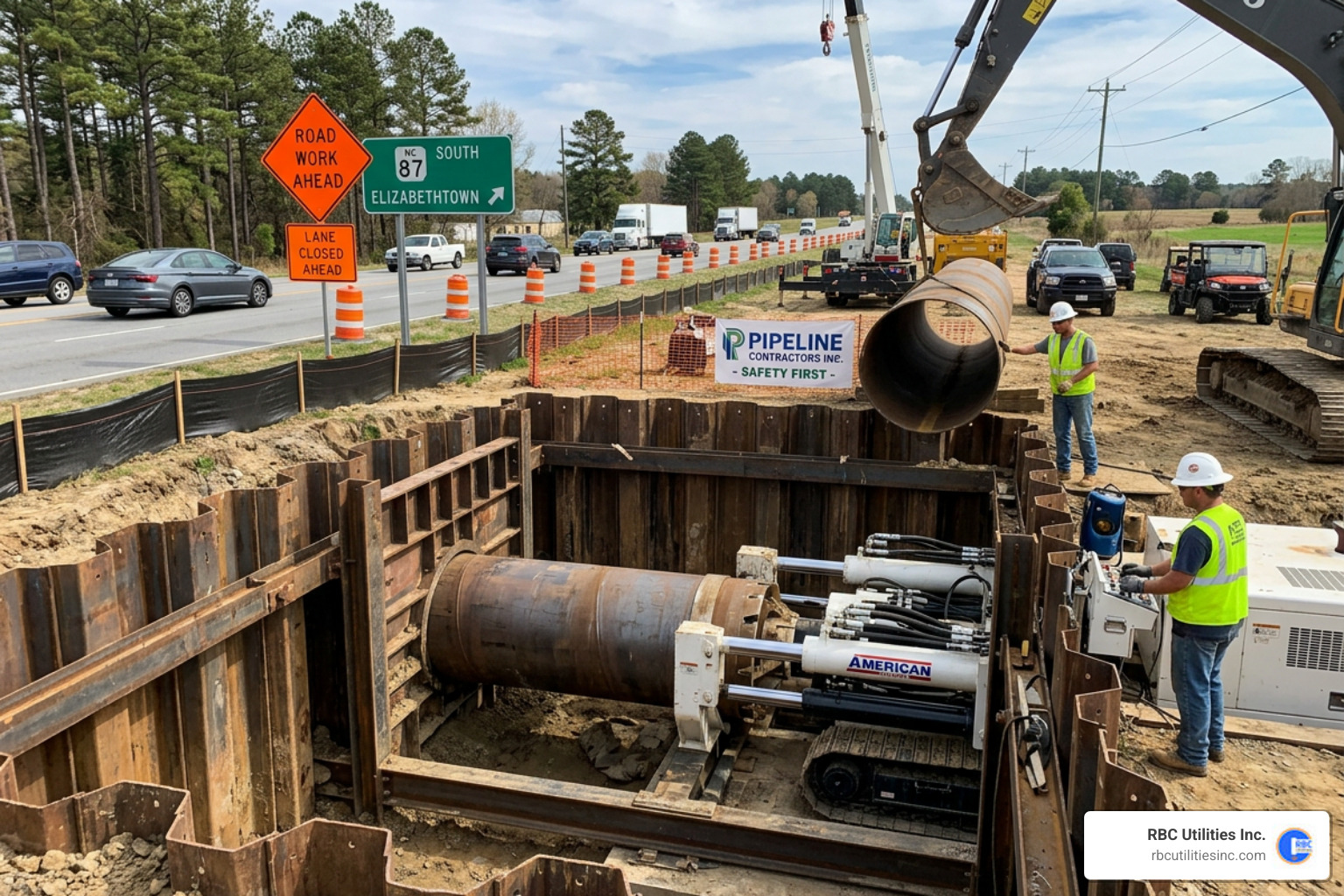
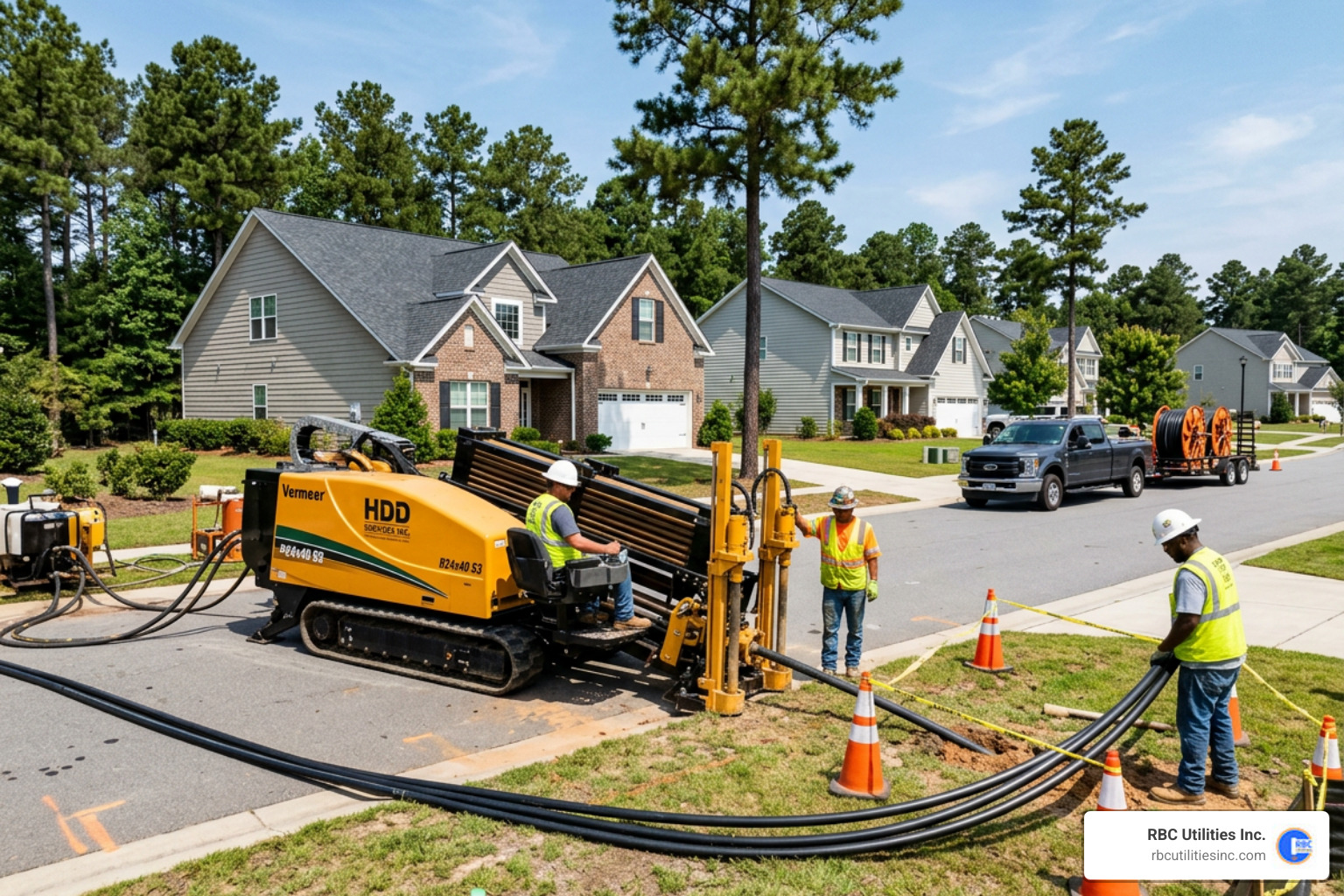
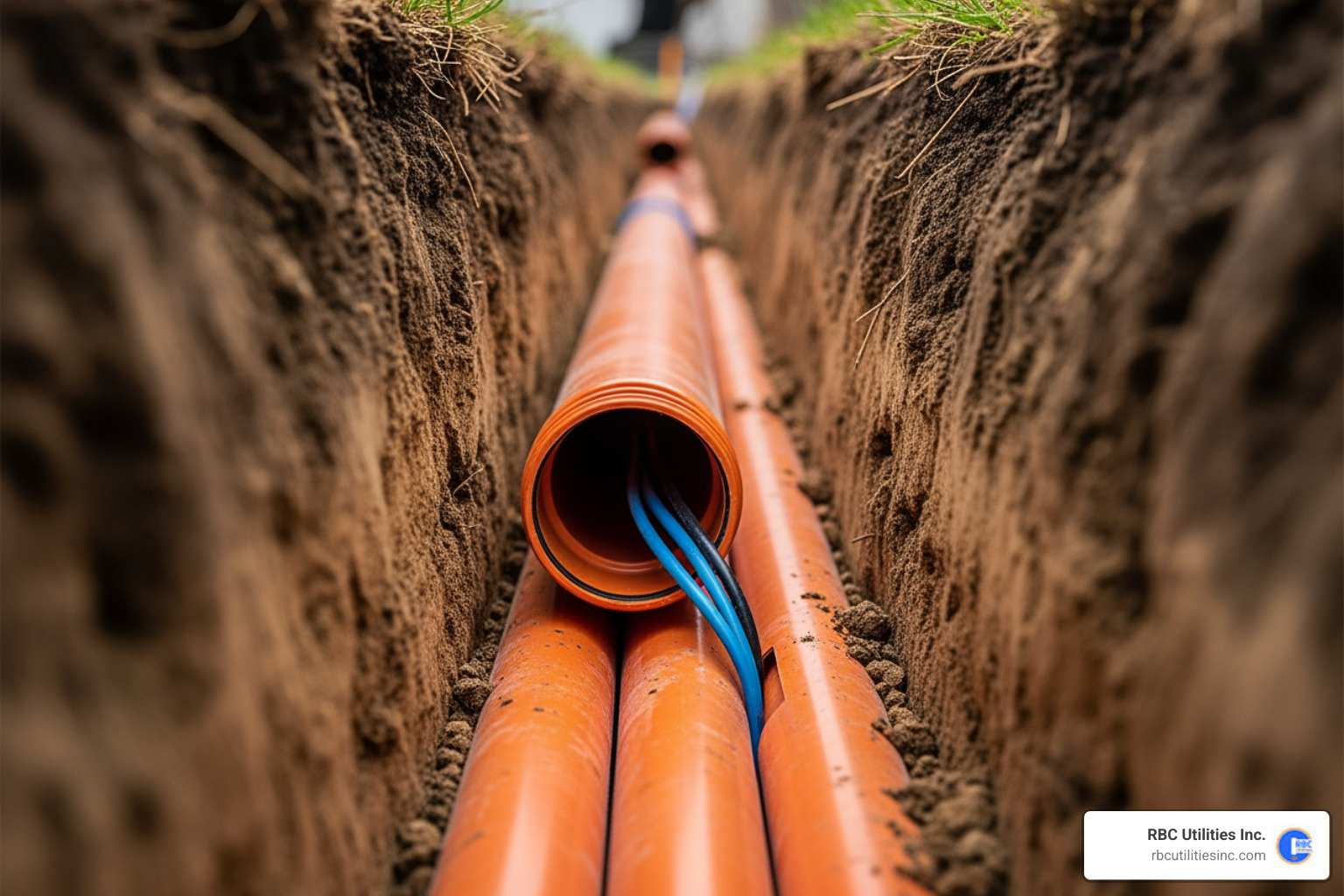
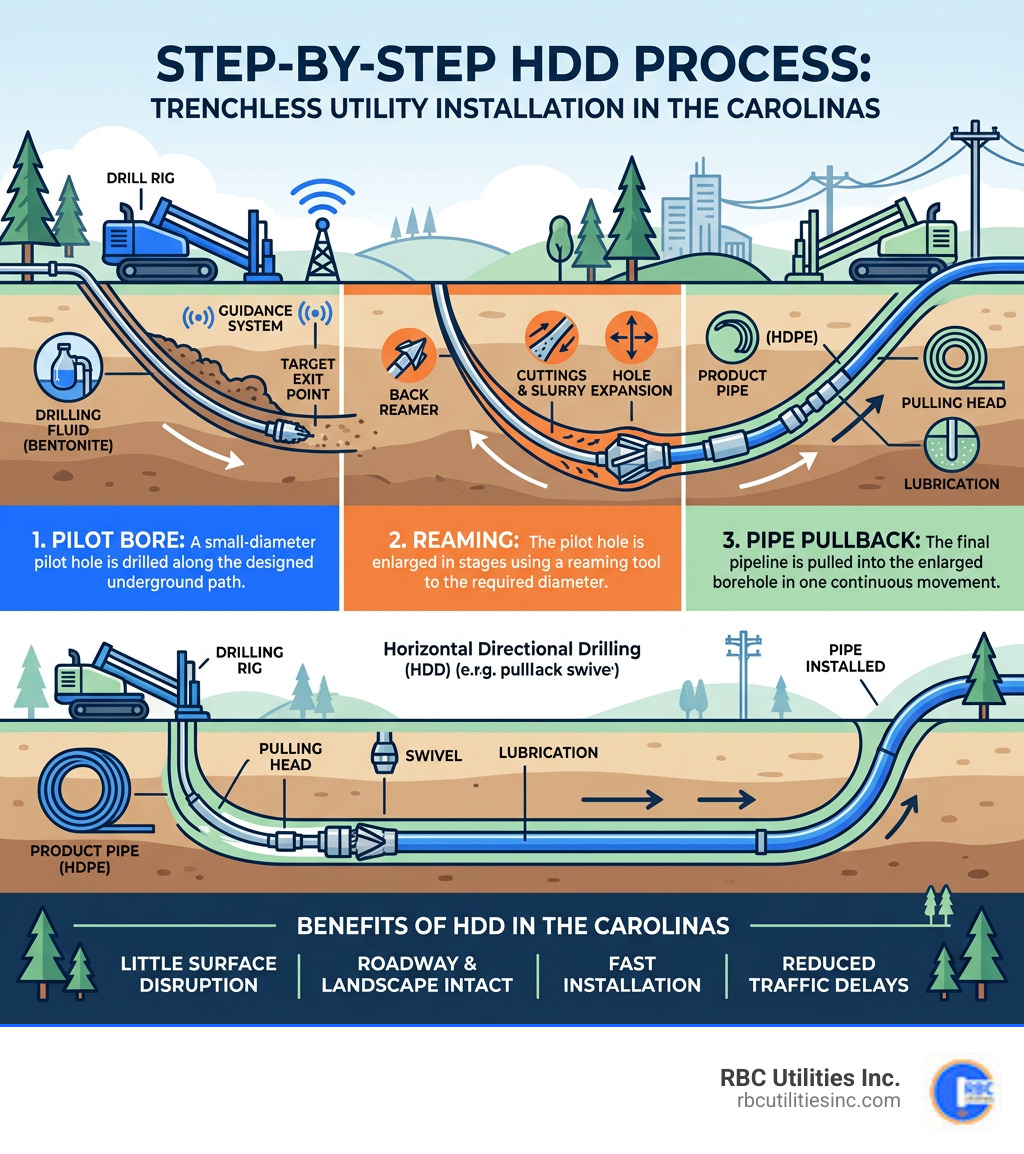
Often called directional boring, HDD is the "superstar" of trenchless methods. It allows us to steer a drill bit along a predetermined path, even around curves or under obstacles like rivers and buildings. It is the preferred method for long-distance utility runs.
When we need to go in a perfectly straight line under a fixed structure—like a railway track or a major interstate—jack and bore is the heavy hitter. We use a casing pipe and an internal auger to remove spoil while simultaneously jacking the pipe forward. This prevents the ground above from settling, which is critical for DOT compliance.
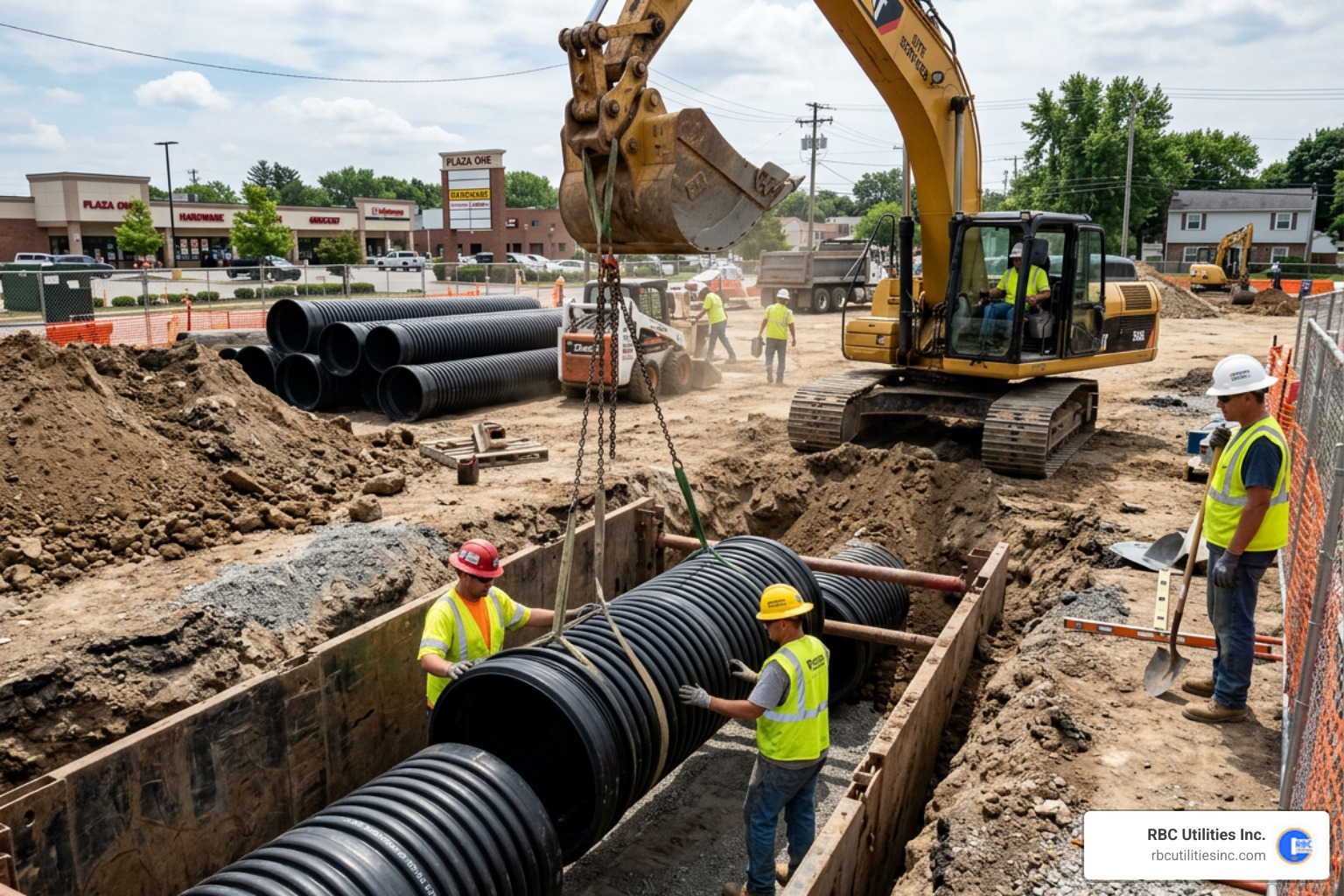
If an old sewer or water line is failing, we don't necessarily have to dig it up. Pipe bursting involves pulling a "bursting head" through the existing pipe. This head fragments the old pipe and pushes the pieces into the surrounding soil while pulling a brand-new, often larger, HDPE pipe behind it.
For high-precision, large-diameter utility installations (usually for deep sewers), microtunneling uses a remotely controlled boring machine. It’s essentially a miniature version of the machines that dig subway tunnels, providing incredible accuracy in congested urban environments.
| Method | Best For | Typical Materials | Key Advantage |
|---|---|---|---|
| HDD | Long distances, rivers, curves | HDPE, FPVC, Steel | High precision & steering |
| Auger Boring | Short, straight shots under roads | Steel Casing | Zero surface settlement |
| Pipe Bursting | Replacing failing existing lines | HDPE | Increases pipe capacity |
HDD is a three-stage process that requires expert navigation. We start with a pilot bore, where a steerable drill head creates the initial path. Using sophisticated tracking electronics, our crews can "see" exactly where the bit is, avoiding existing gas lines or fiber optics.
Once the pilot hole is complete, we move to reaming. This involves pulling a larger bit back through the hole to expand it to the necessary diameter. Finally, we perform the product pipe pullback. Whether we are installing High-Density Polyethylene (HDPE), Fusible PVC (FPVC), or steel, the pipe is pulled into place in one continuous motion. This method is a favorite for utility directional drilling contractors because it handles everything from fiber optic conduits to high-pressure water mains with ease.
Not every project is about "new" installs; many are about saving what’s already there. In cities like Charlotte or Charleston, aging sewer systems are a major concern. Trenchless repair guides often highlight Cured-in-Place Pipe (CIPP) and pipe bursting as the best remedies.
CIPP involves inserting a flexible liner saturated with epoxy resin into the old pipe. Once the resin cures, it forms a "pipe within a pipe" that is seamless and resistant to root intrusion. These repairs are designed to last 50 years or more, matching the lifecycle of brand-new concrete without the million-dollar price tag of total excavation.
Working in the Carolinas means being prepared for anything. You might start the week drilling through the red clay of the Piedmont and end it navigating the sandy water tables of the Lowcountry.
The success of a bore often comes down to the tooling. In Winston-Salem or Charlotte, we might encounter "cobblestone" or hard rock that requires specialized mud motors and diamond-encrusted bits. Conversely, in the coastal regions, fluid management is the priority to keep the borehole from collapsing in loose sand.
We often work with an Underground Utility Equipment Supplier in Charlotte NC to source custom reamers and drilling fluid additives (bentonite) tailored to specific soil reports. If the "mud" isn't right, the hole won't hold—it’s that simple.
Historic areas like Boone, NC, present a different kind of challenge: preserving aesthetics while modernizing infrastructure. A great example of innovation in this region is the use of EPP (Expanded Polypropylene) manhole rings.
In Boone, the public utilities department has transitioned to using Cretex PRO-RING assemblies for manhole grade adjustments. These rings are a game-changer for several reasons:
This "higher tech" approach is detailed in Trenchless Technology - December 2022, showing how even small historic towns can benefit from the speed of trenchless-related innovations.
Why do project managers choose trenchless utility installation Carolinas over traditional digging? It usually boils down to the bottom line—but not just the invoice price.
While the "per foot" cost of directional drilling can sometimes be higher than open-trenching in an open field, the math changes completely in developed areas.
Where you save money:
Pricing Variables:The cost of your project will be influenced by the bore length, the soil type (rock is more expensive than dirt), the depth of the utility, and the diameter of the pipe. Generally, trenchless solutions range from $3,000 for small residential repairs to hundreds of thousands for major municipal river crossings.
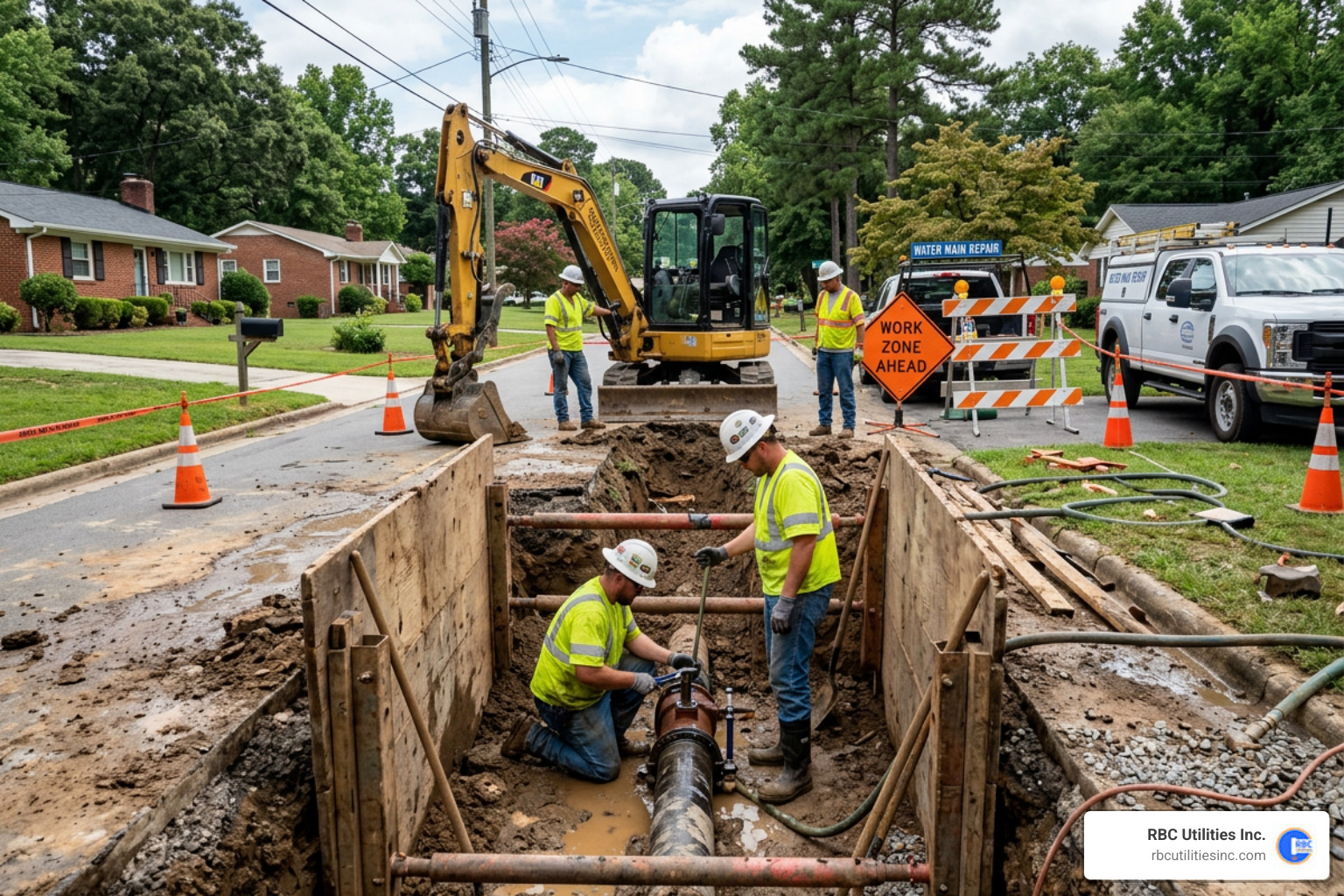
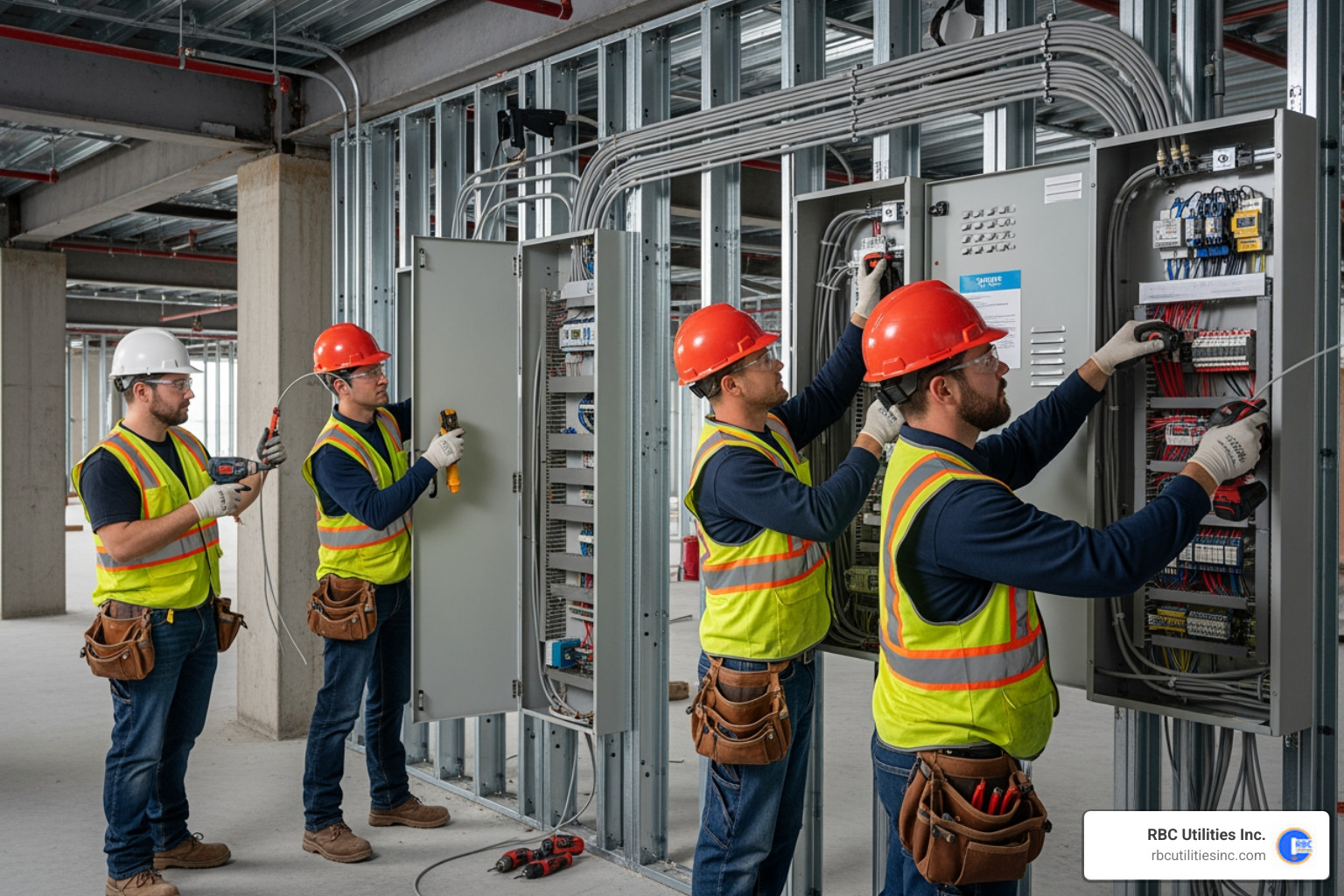
At RBC Utilities Inc., safety isn't just a checklist—it's our culture. Trenchless work involves high-pressure hydraulics, heavy machinery, and the ever-present risk of striking existing "unmarked" utilities.
Per OSHA standard 1926, any excavation or trenching site must have a Certified Competent Person present. This individual is trained to:
In the Carolinas, we also adhere strictly to NC DOT and SC DOT standards for "Utility Encroachment." This ensures that our bores under state-maintained roads meet the structural requirements to prevent future sinkholes or pavement failures. We also maintain rigorous internal standards to ensure local compliance is met on every foot of pipe.
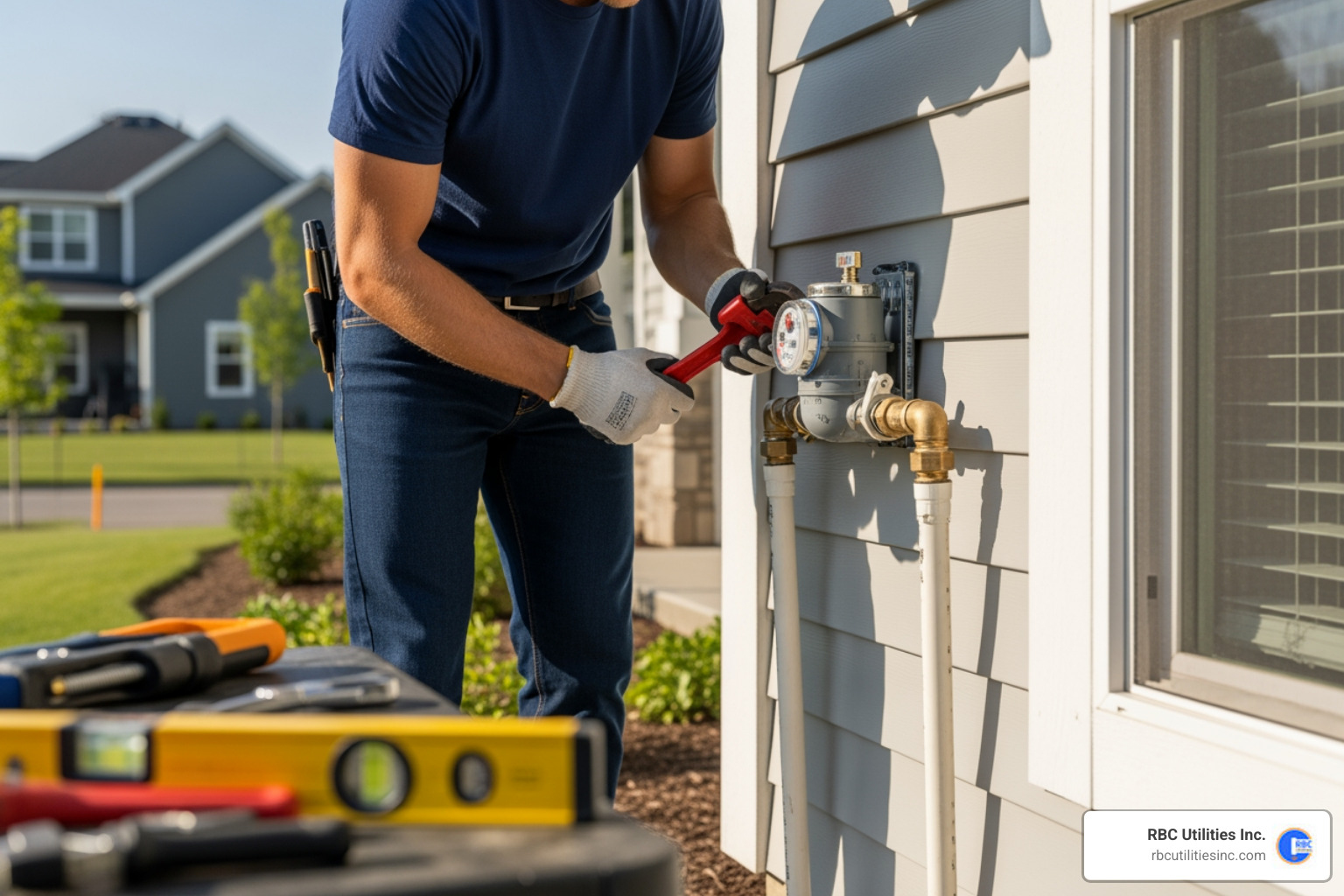
Trenchless is the clear winner when you need to cross under an obstacle that cannot be moved—like a highway, a river, or a historic building. It is also the best choice for landscaped residential areas where a homeowner doesn't want their prize-winning rose bushes or a $20,000 driveway destroyed.
Almost anything that goes underground! We regularly install:
Modern materials like HDPE (High-Density Polyethylene) are incredibly resilient. They don't rust like iron or crack like clay. Most trenchless installations are rated for a 50-year design life, and in many cases, they can last much longer because they are seamless, meaning there are no joints for tree roots to invade.
Mastering trenchless utility installation Carolinas requires a blend of local geographical knowledge, the right specialized equipment, and a relentless commitment to safety. At RBC Utilities Inc., we take pride in building the "invisible" infrastructure that keeps our region running—from the mountains to the coast.
By choosing trenchless methods, you aren't just installing a pipe; you're protecting the environment, saving time, and ensuring that the Carolinas remain a beautiful place to live and work.
Ready to start your next project? Whether you need a simple directional bore in Charlotte or a complex river crossing, we are here to help.
Part of Saga Infrastructure, protecting what others built and helping it grow.
Address: 4404 Stuart Andrews Blvd., Suite K, Charlotte, NC 28217
Email: info@rbcutilitiesinc.com
Phone: 803-913-9727
Service Area: North Carolina | South Carolina