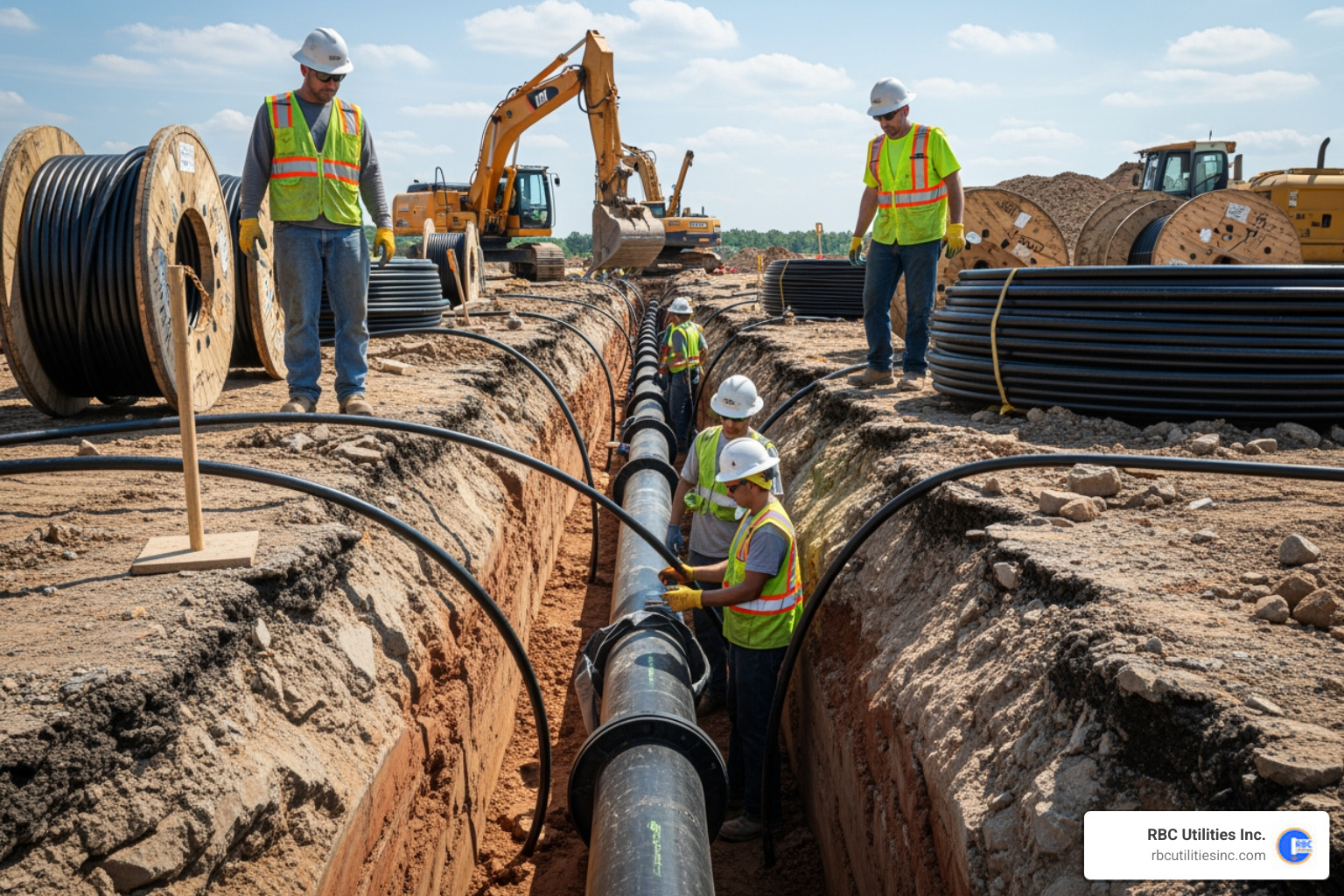
In infrastructure, silence isn't always golden; sometimes, it’s just the calm before the storm. Most sewer lines are "out of sight, out of mind" until they aren't. However, waiting for a total collapse is a high-stakes gamble. Proactive sewer pipe replacement services are essential because every pipe material has an expiration date.
The industry generally follows the 50-year rule. If a system was installed over half a century ago, it is likely prone to significant deterioration. In the Carolinas, we often encounter specific materials that have reached the end of their functional life:
When these materials fail, they don't just stop water; they can lead to sinkholes, environmental contamination, and costly emergency excavation. By choosing proactive replacement, you control the timeline and the budget, rather than letting a pipe failure dictate them to you.
How do you know if you need to call in the experts? Your property usually drops a few hints before a total system shutdown occurs. If you are managing a residential development or a commercial facility, keep an eye out for these red flags:
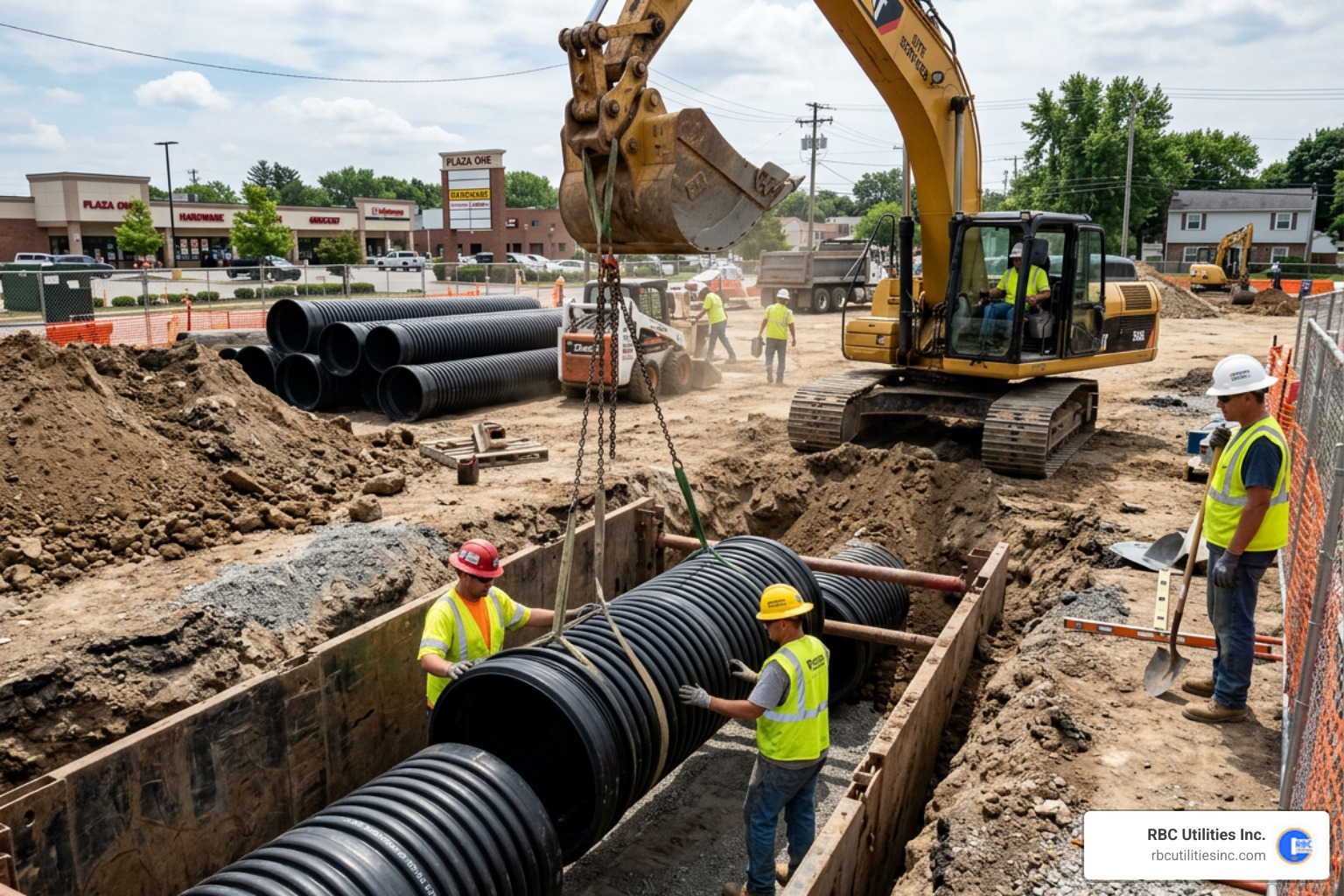
Gone are the days of "digging and hoping." Modern sewer pipe replacement services rely on high-tech diagnostics to pinpoint the exact location and nature of the failure.
We utilize CCTV (Closed-Circuit Television) inspections, where a high-definition waterproof camera is snaked through the line. This allows us to see root intrusions, cracks, and "bellies" (sagging sections) in real-time. To ensure we don't hit other lines, we use sonar locating and video transponders that send a signal to the surface, mapping the pipe's path with incredible precision.
For those looking into advanced rehabilitation, you can learn more about the LMK T-Liner system for precise CIPP solutions, which represents the cutting edge of engineered pipe repair.
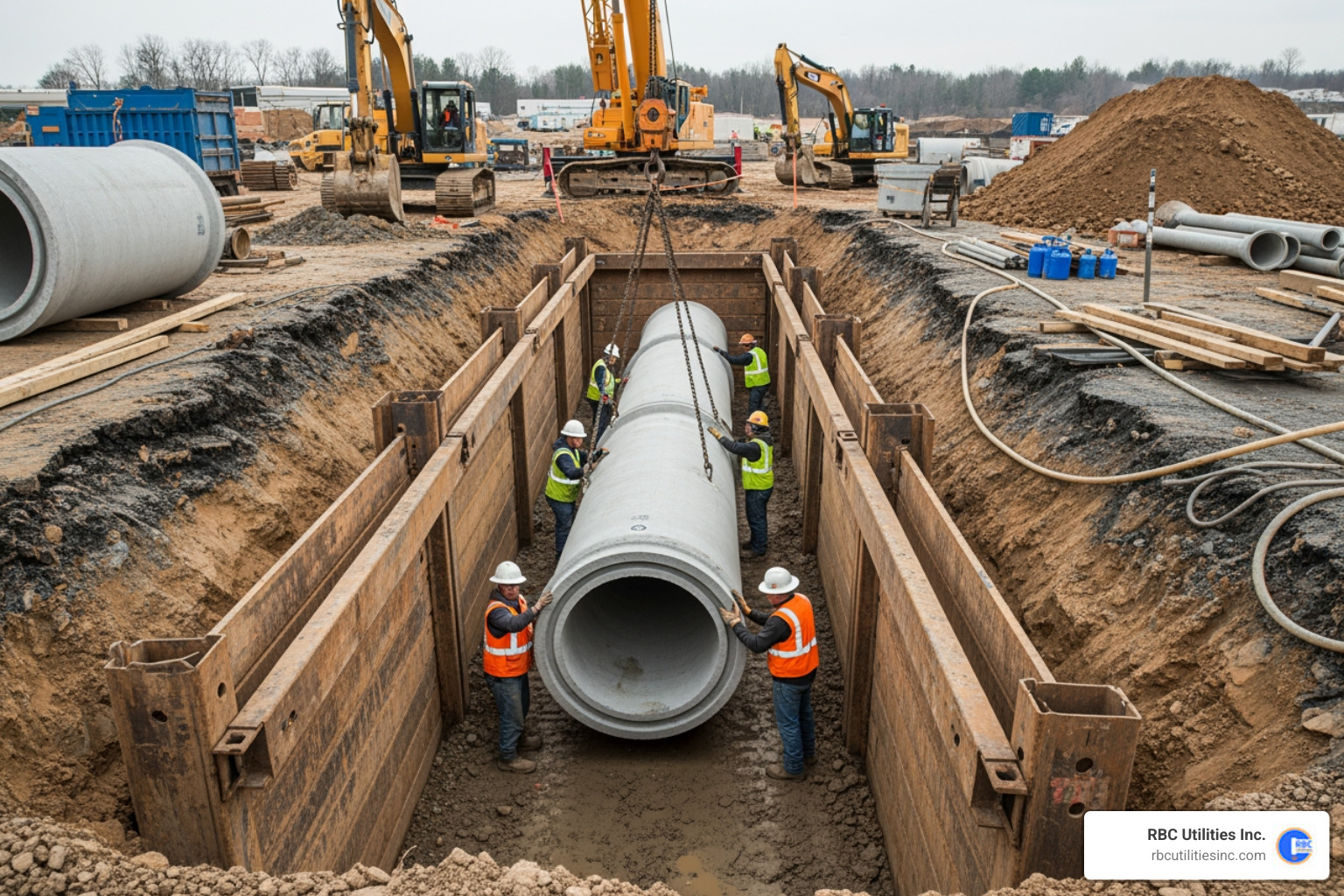
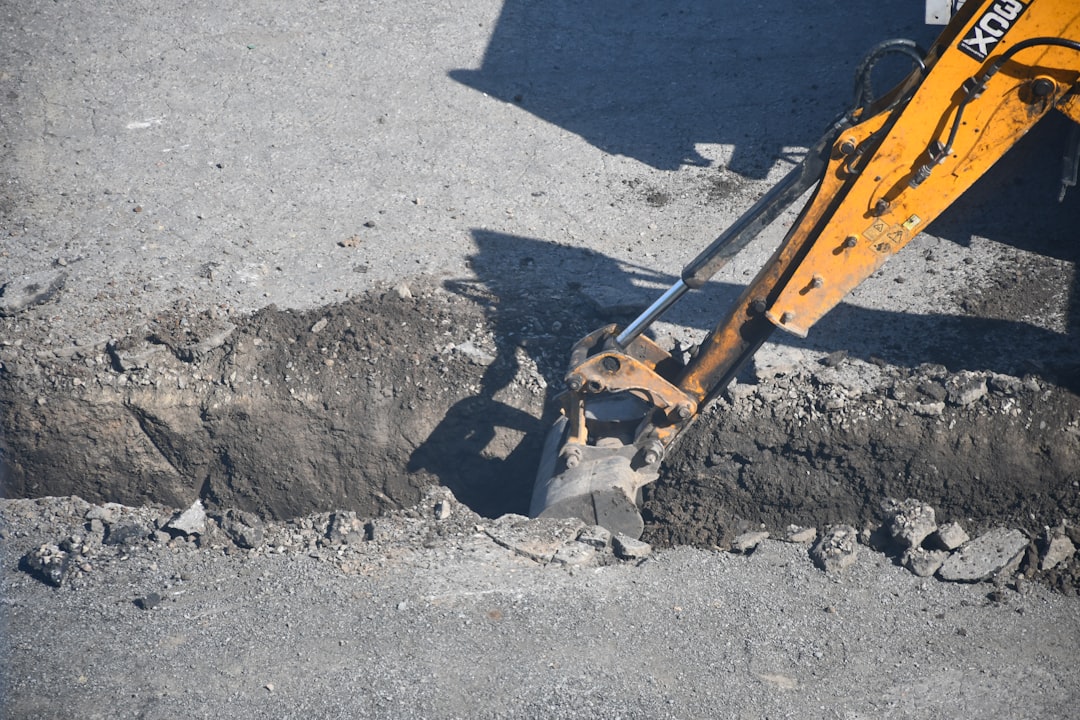
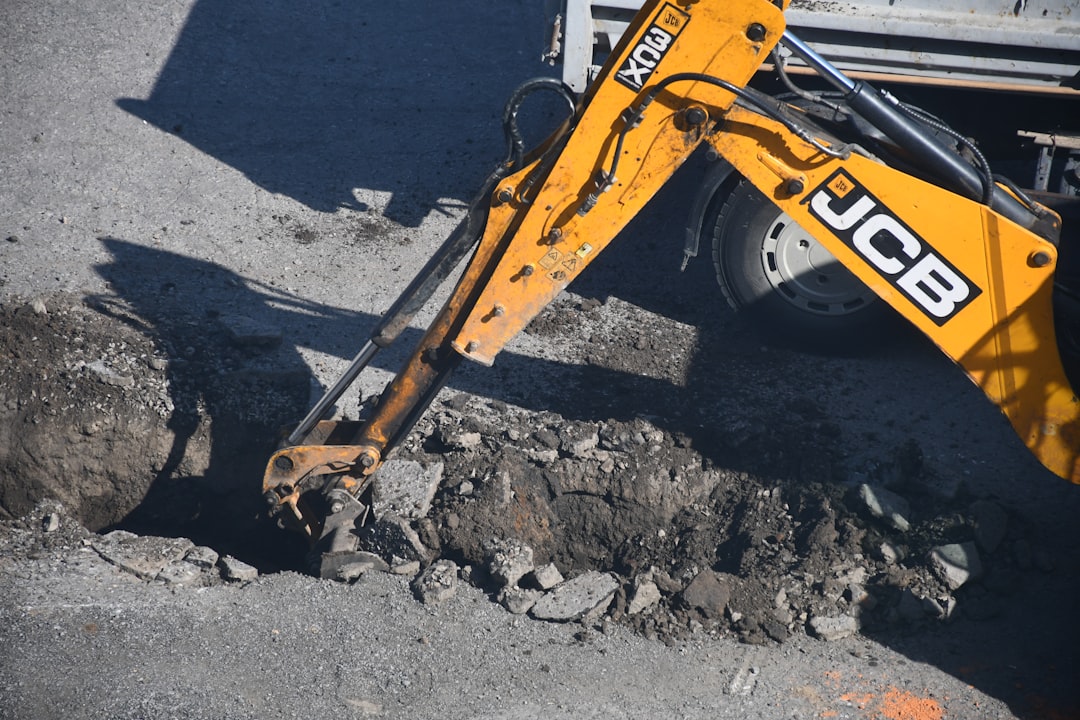
When it comes time to actually swap out the old for the new, we generally look at two main categories of work. The right choice depends on the depth of the pipe, the surface above it (like a pristine parking lot or a landscaped park), and the local soil conditions.
Method
Property disruption
Project duration
Cost
Best for
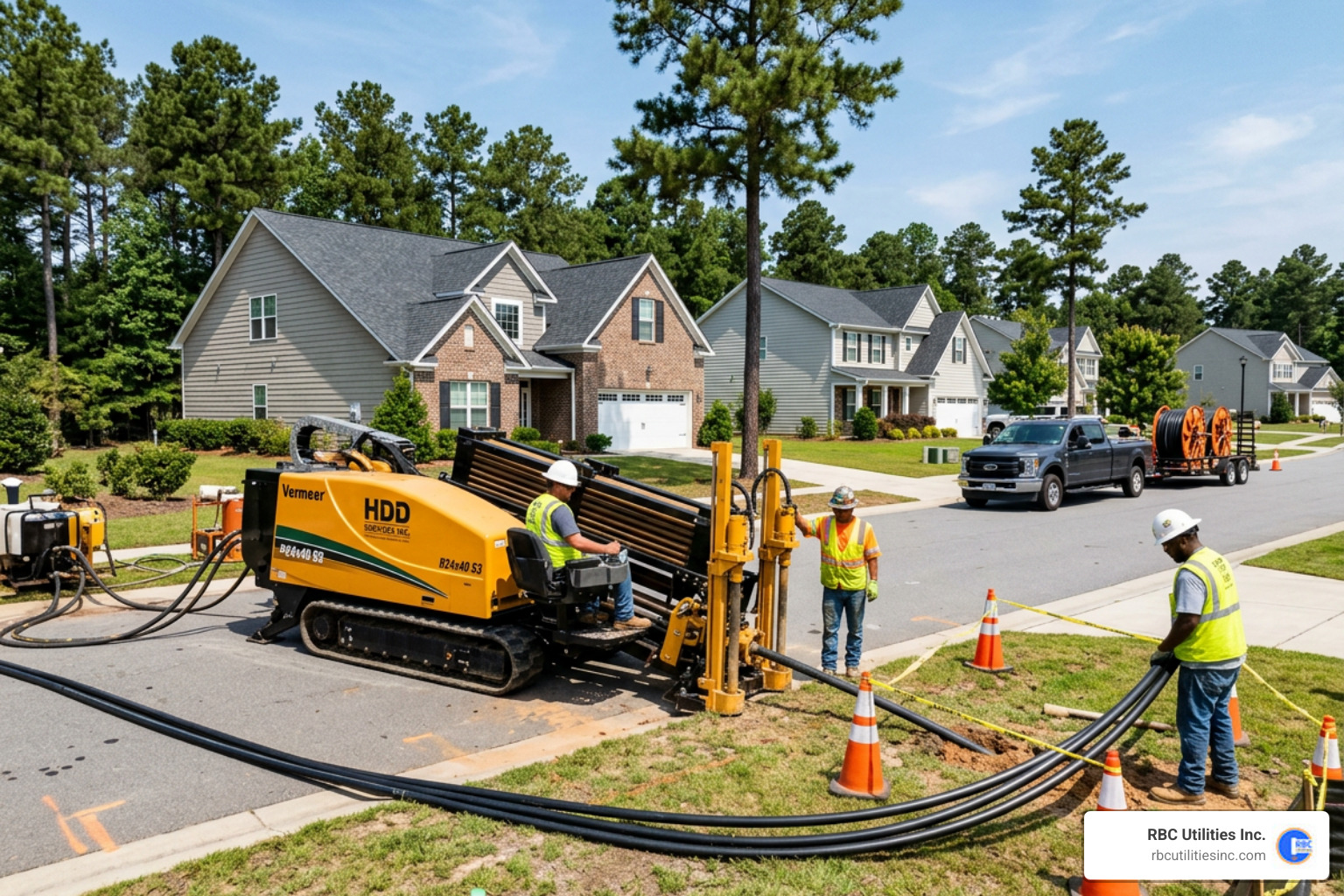
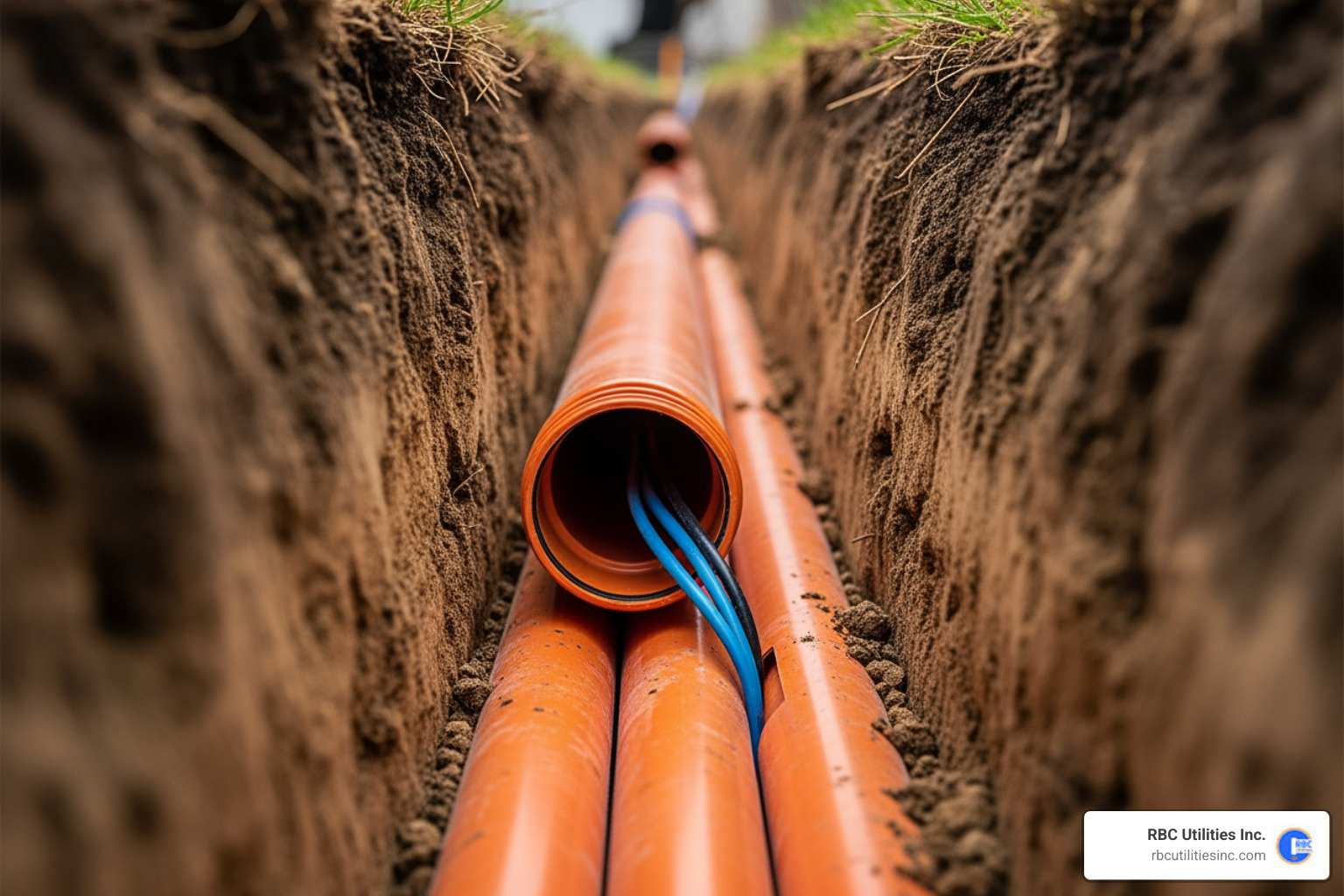
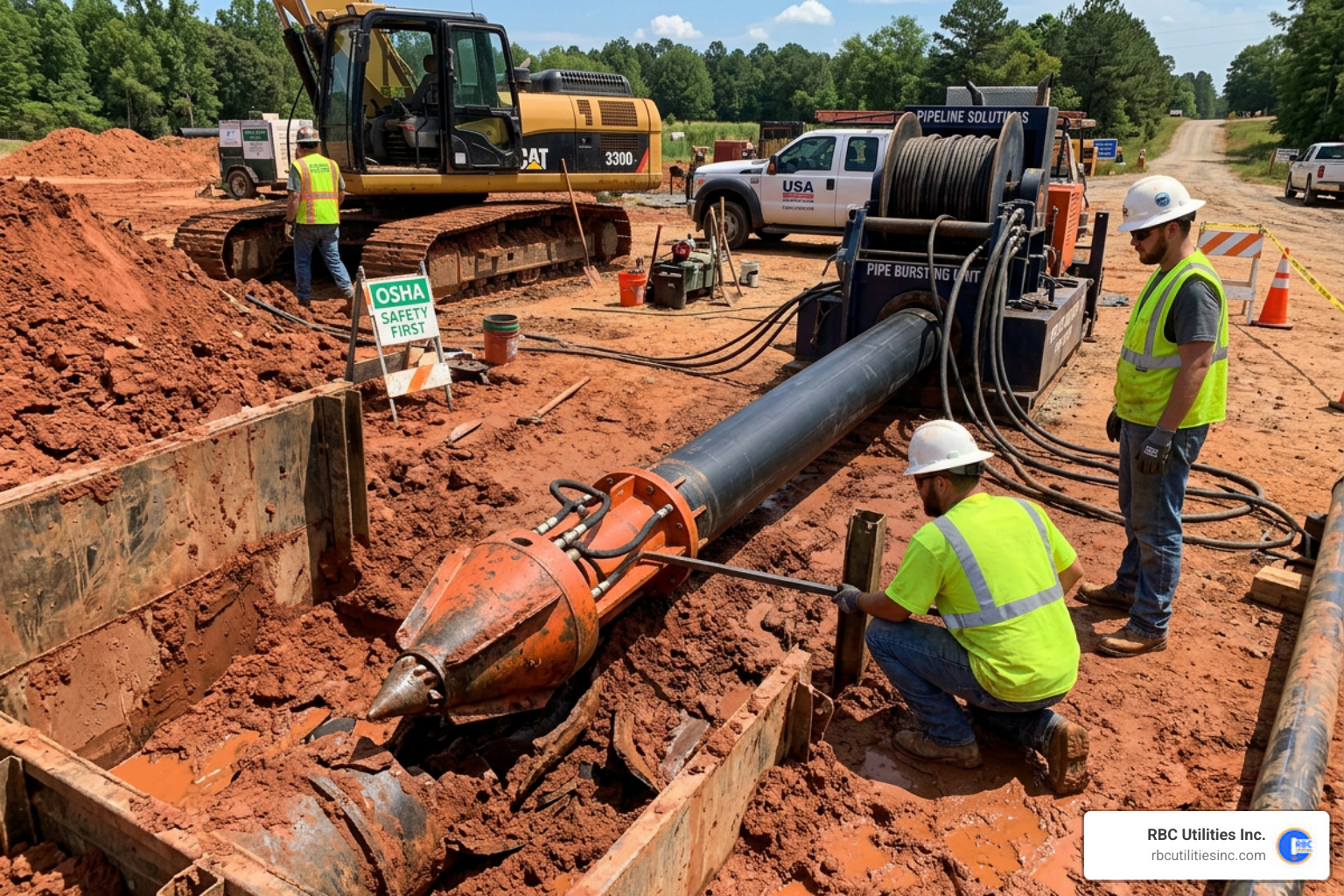
Trenchless methods have revolutionized the industry. Pipe bursting involves pulling a hardened steel "bursting head" through the old pipe, shattering it while simultaneously pulling a new, seamless HDPE pipe into place. Cured-In-Place Pipe (CIPP) involves inserting a resin-saturated liner that hardens into a "pipe within a pipe."
The Pros:
The Cons:
In the Carolinas, our soil—often heavy with red clay—can influence the choice. Clay holds a trench well, making traditional open-cut viable, but it can also be difficult for certain lining resins to bond if moisture isn't perfectly controlled. We also have to consider utility congestion. In growing cities like Charlotte, the underground is crowded with fiber optics, gas lines, and water mains. In these tight spots, trenchless often wins because it minimizes the risk of striking adjacent utilities.
At RBC Utilities, Inc., we follow a disciplined process to ensure that every sewer pipe replacement service we provide meets municipal standards and exceeds client expectations.
A new sewer line is only as good as its last joint. Our verification process includes:
One of the most common questions we get is: "Who pays for this?"
Generally, the homeowner or property owner is responsible for the sewer "lateral"—the pipe that runs from the building to the property line or the connection to the city main. The municipality is responsible for the large collector mains located under public streets or within utility easements.
Does insurance cover it?Standard homeowners insurance often does not cover pipe replacement due to wear and tear or age. However, many modern policies offer a "Service Line Endorsement" or "Buried Utility Coverage" for a small annual fee. We highly recommend checking your policy for this coverage before a problem occurs.
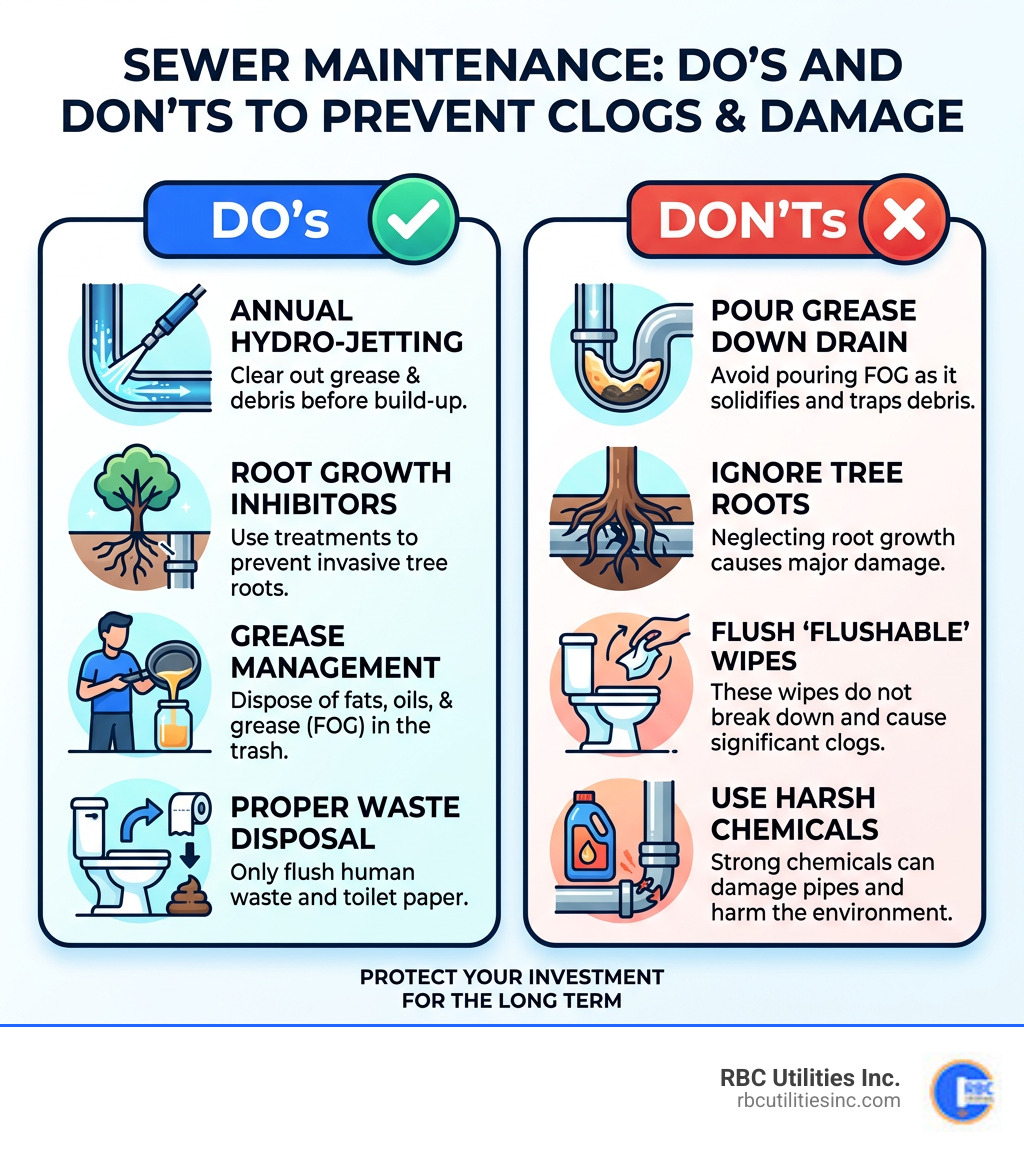
Once your new system is in place, you want it to last another 100 years. Here is how to protect your investment:
As mentioned, the property owner typically handles everything from the structure to the property boundary. If the break occurs in the middle of the street in the city’s main line, the municipality usually covers the cost. However, if the blockage is in your lateral, even if that lateral extends under the sidewalk, it is usually your responsibility.
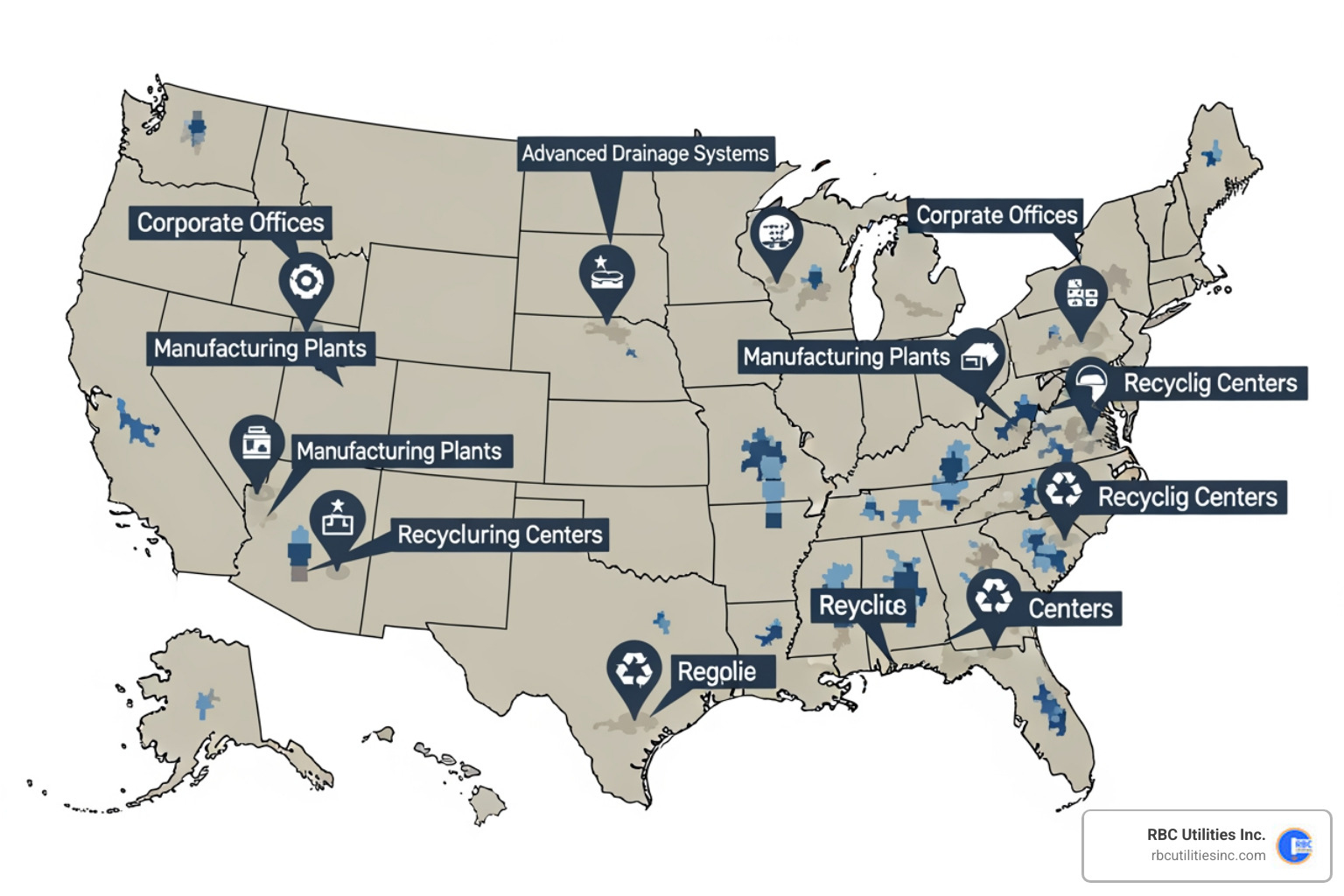
Look for a contractor with a deep footprint in the Carolinas. You want a team that is licensed and insured, but also one that has the heavy equipment and manpower to handle unexpected complications. At RBC Utilities, Inc., our partnership with Saga Infrastructure gives us the national resources to tackle the toughest municipal jobs while maintaining our local, family-oriented service model.
Reliable infrastructure is the backbone of every community in North and South Carolina. Whether you are a developer breaking ground on a new subdivision in Charlotte or a municipality upgrading aging downtown lines, the quality of your sewer pipe replacement services will determine the long-term viability of your project.
Don't wait for a catastrophic failure to think about your underground utilities. Proactive inspection, honest diagnostics, and expert installation are the keys to avoiding "money pits" and ensuring public safety.
At RBC Utilities, Inc., we bring decades of hands-on experience and a commitment to safety and reliability to every job site. We don't just lay pipe; we build the systems that help the Carolinas grow.
Contact our experts for professional sewer and storm drainage solutions today to discuss your next project and ensure your infrastructure is built to last.
Part of Saga Infrastructure, protecting what others built and helping it grow.
Address: 4404 Stuart Andrews Blvd., Suite K, Charlotte, NC 28217
Email: info@rbcutilitiesinc.com
Phone: 803-913-9727
Service Area: North Carolina | South Carolina