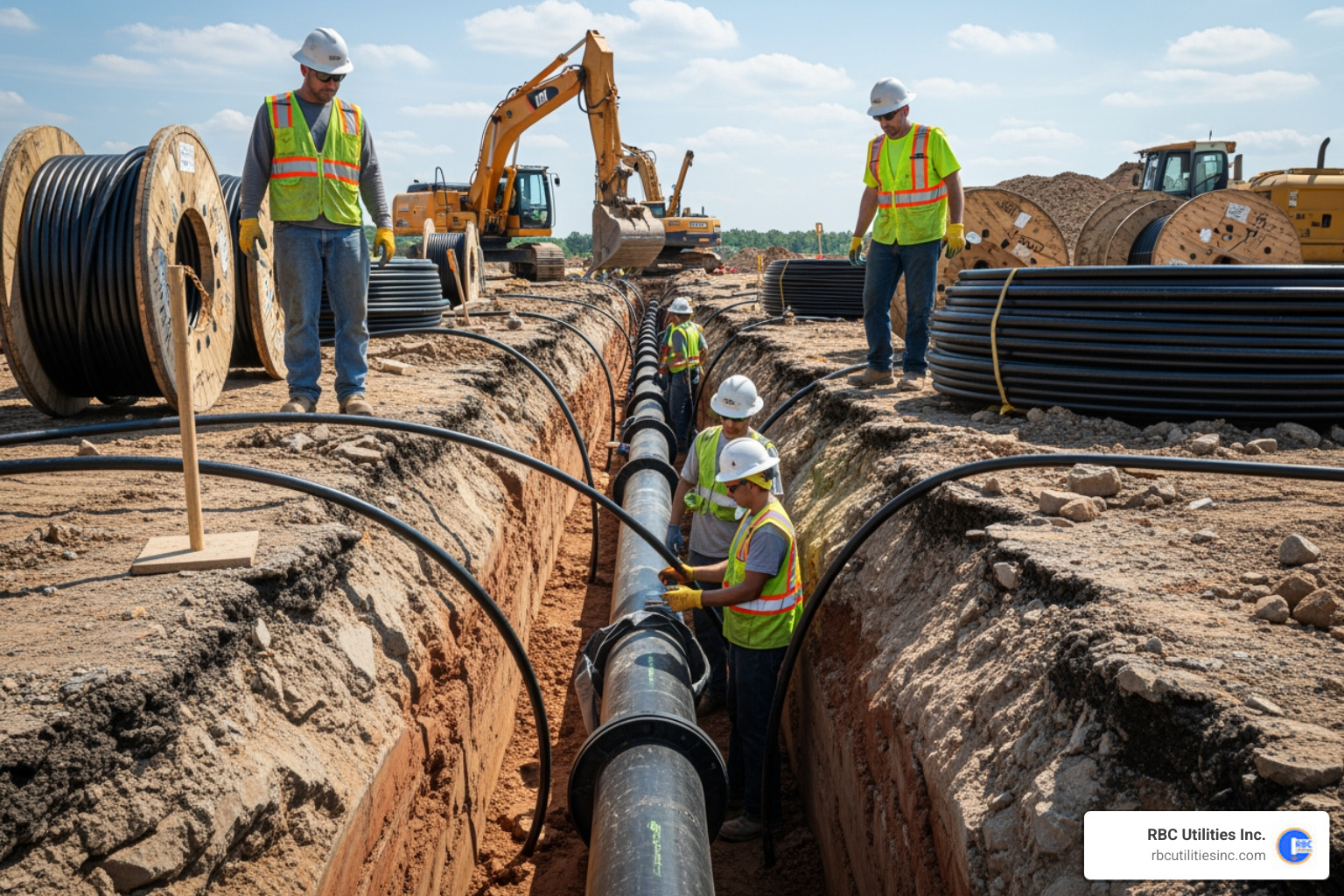
Sewer main line installation is the process of laying the underground pipe that carries all wastewater from a building to the municipal sewer system. Here's a quick overview of what it involves:
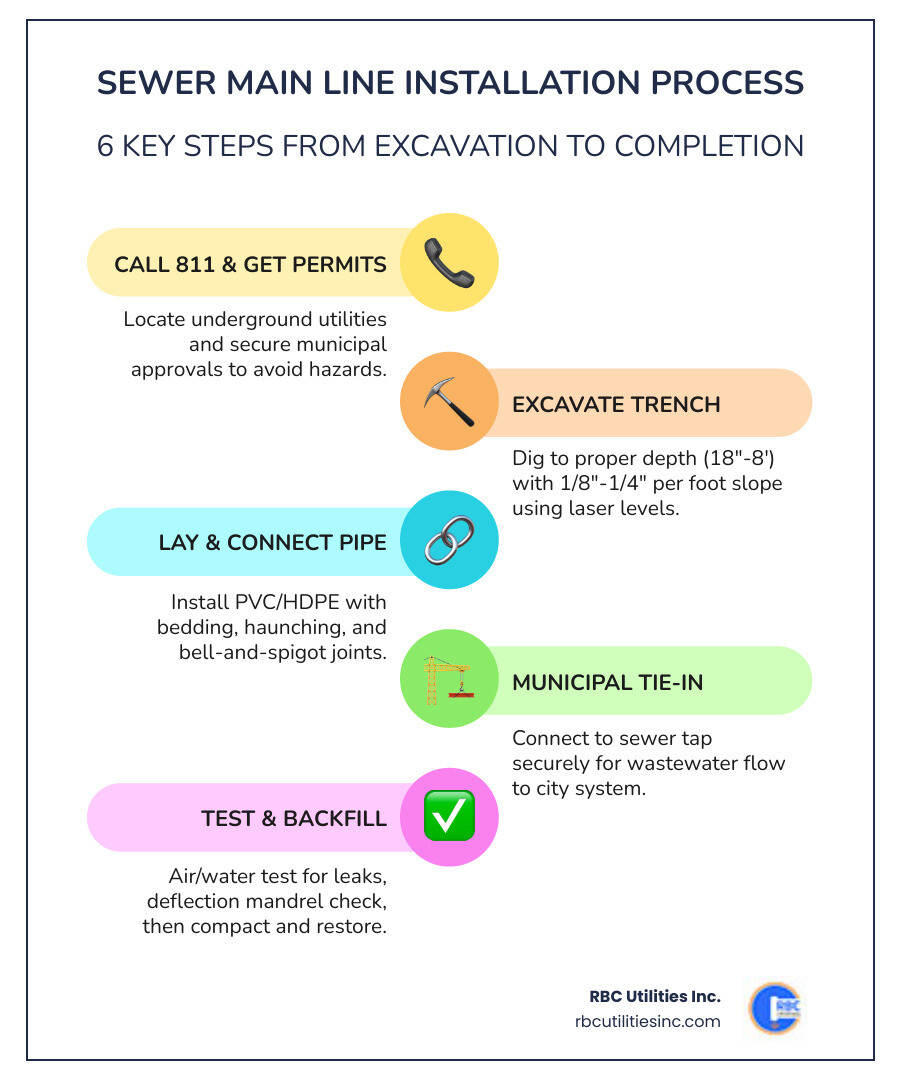
The core steps:
Key facts at a glance:
| Factor | Details |
|---|---|
| Typical pipe material | PVC (SDR-35), HDPE |
| Correct slope | 1/8" to 1/4" per foot (2% grade) |
| Typical depth | 18 inches to 8 feet depending on region |
| Installation timeline | 3 to 7 days for residential projects |
| Cost range | $3,000 to $25,000+ depending on method and length |
| Trenchless alternative | CIPP lining, pipe bursting |
Most people don't think about what's buried under their project site — until something goes wrong.
A collapsed sewer line, a failed tap connection, or a pipe laid at the wrong slope can bring an entire development to a halt. And fixing it after the fact costs far more than doing it right the first time.
For developers and general contractors in the Carolinas, sewer main line installation is one of those tasks where the stakes are high and the margin for error is small. The work is underground, invisible after completion, and expected to last a century. But get the slope wrong by a fraction, skip a compaction step, or miss a permit requirement — and you're looking at backups, cave-ins, failed inspections, and costly rework.
As one experienced contractor put it: "Even if you are aware that it will be a lot of work, it's going to be a lot more work than that."
This guide breaks down everything you need to know — from materials and slope calculations to permitting, trenchless options, and testing — so your next project goes in right the first time.
In the Carolinas, we see a lot of older infrastructure that simply wasn't built to last forever. If you are working on a renovation of a pre-1970s property or managing a new build, understanding when a full sewer main line installation is required can save you from a literal "stinky" situation later.
Historically, pipes were made of materials that we now know have a shelf life. Orangeburg pipe, for example, was made of layers of wood pulp sealed with coal tar. It was popular because it was cheap, but it only lasts about 50 years. In many Charlotte neighborhoods, these pipes are currently reaching their expiration date and turning into "wet cardboard" underground.
Other common culprits include:
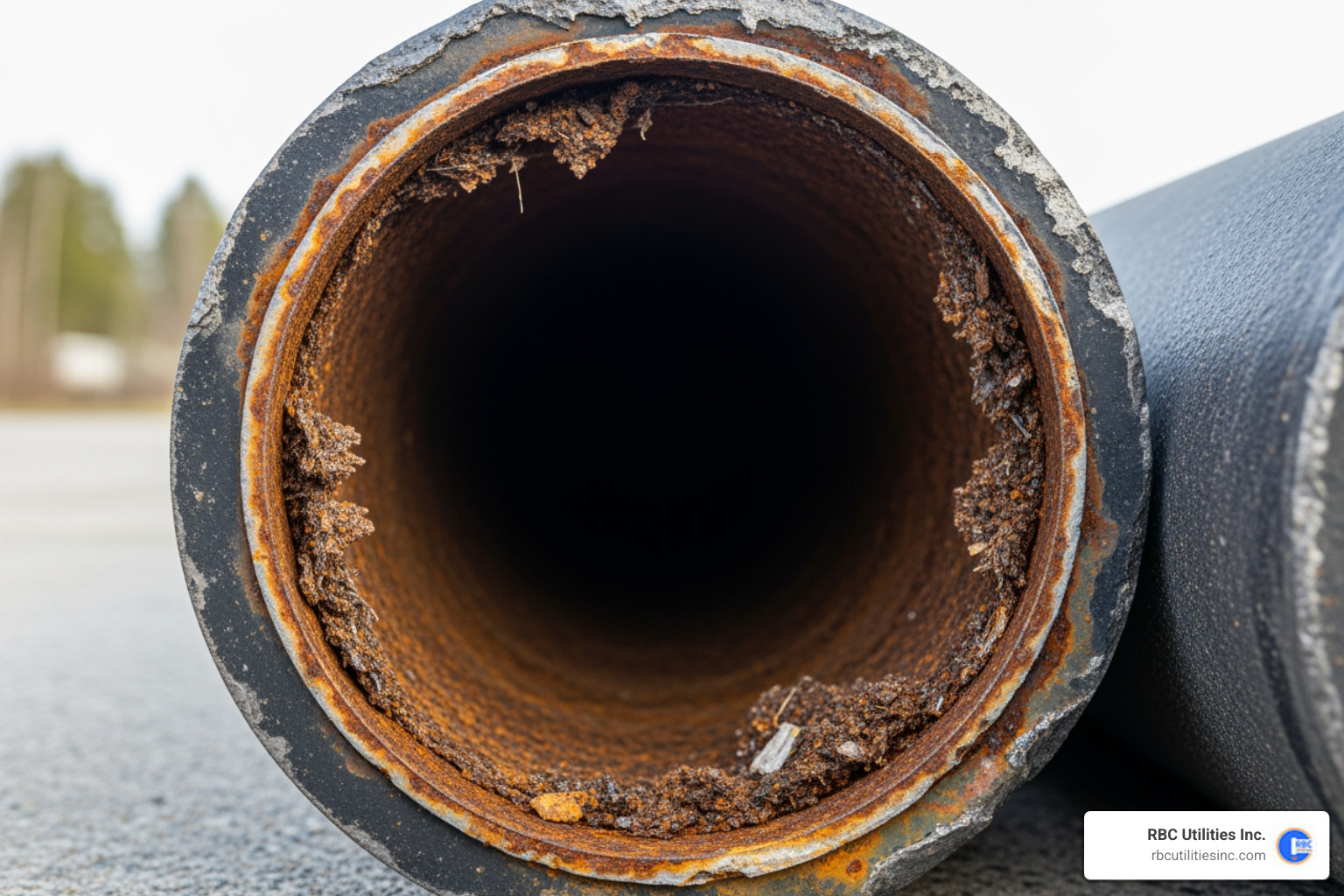
When a pipe collapses or corrodes beyond repair, it doesn't just cause a mess; it tanks property value and poses a health risk. At that point, spot repairs are just a band-aid. You need a full replacement to ensure the system functions for the next century.
Before a total collapse happens, the system usually tries to tell you something is wrong. Watch out for these red flags:
The cost of sewer main line installation varies wildly based on depth, length, and the method used. In our region, you can expect the following ranges:
| Method | Estimated Cost | Key Factors |
|---|---|---|
| Traditional Excavation | $3,000 – $25,000+ | Depth of pipe, length, and surface restoration (driveways, landscaping). |
| Trenchless (Pipe Bursting) | $4,000 – $18,000 | Minimal digging; saves 30-60% on labor and restoration costs. |
| CIPP Lining | $4,000 – $6,500 (per 30ft) | Best for pipes that are still structurally sound but leaking. |
Traditional methods often reach the higher end of the scale because of the "collateral damage." If we have to dig a 10-foot trench through a paved parking lot or a manicured landscape, the cost to put everything back together can sometimes exceed the cost of the pipe itself.
The "Dirty Truth" is that the pipe material is the only thing standing between your project and a future environmental disaster. Modern sewer main line installation has shifted away from metal and clay toward high-performance plastics.
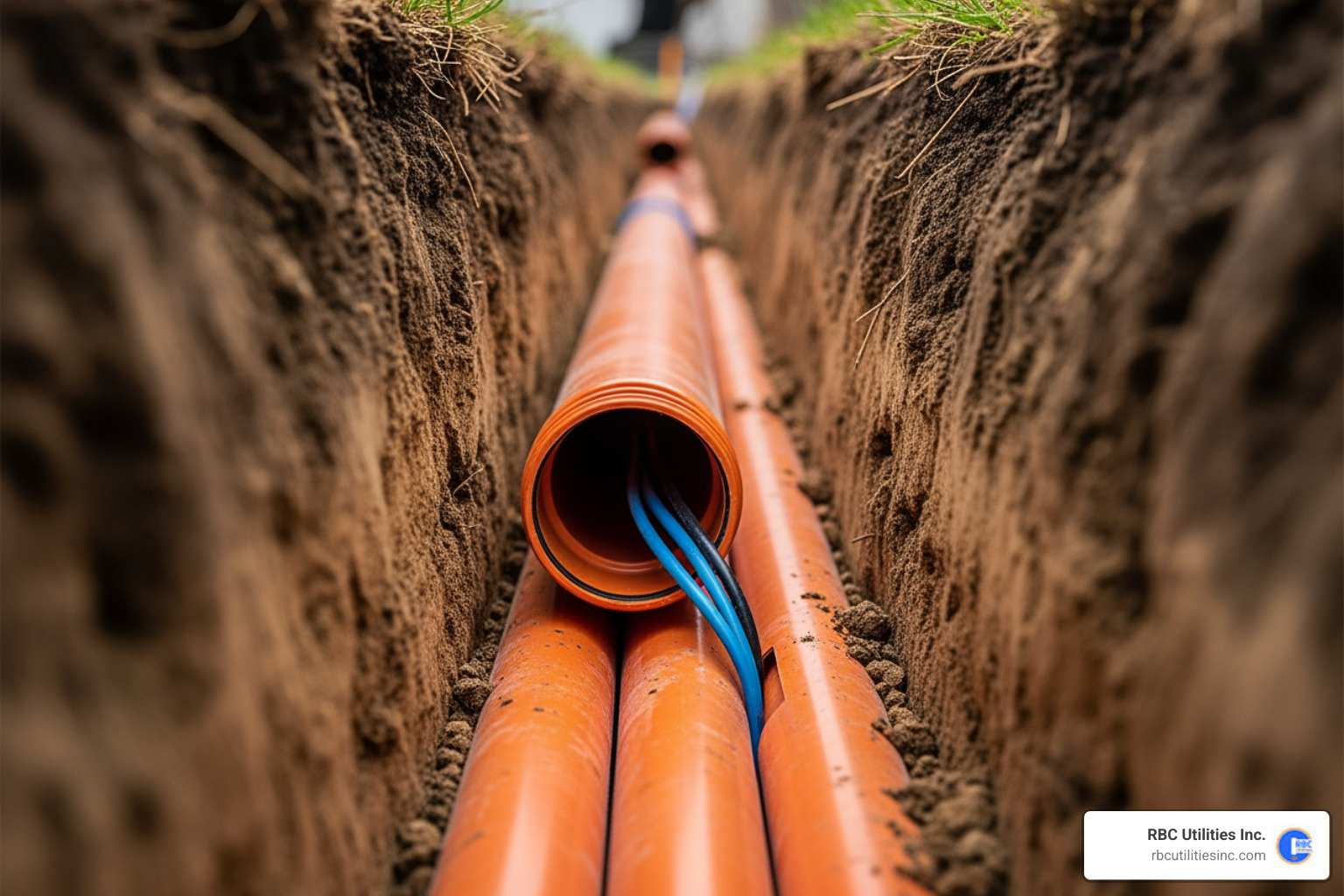
Today, PVC (Polyvinyl Chloride) is the gold standard. Specifically, SDR-35 is the most common gravity sewer pipe used in residential and municipal applications.
Why do we love PVC?
Another heavy hitter is HDPE (High-Density Polyethylene). This is a flexible, "fused" pipe often used in trenchless applications like pipe bursting. Because the joints are heat-fused, it creates one continuous piece of pipe with zero leak points.
When installing PVC, we monitor for deflection. Because plastic is a flexible conduit, it relies on the surrounding soil for support. The maximum allowable deflection for PVC sewer pipe is typically 7.5%. If the pipe squashes more than that, it can lose its structural integrity or cause blockages.
Installing a sewer line isn't as simple as digging a hole and dropping in a pipe. It is a precise engineering task.
Before a single shovel hits the dirt, we call 811 locators. In the Carolinas, hitting a gas line or a high-voltage power line isn't just a mistake — it's a catastrophe. Marking existing utilities is the first step in every safe project.
Gravity is our best friend or our worst enemy. If the pipe is too flat, solids will settle and cause clogs. If it's too steep, the liquids will outrun the solids, also causing clogs.
We use laser levels to ensure the trench bottom is perfectly graded. We also have to account for the frost line (though less of a concern in the Charlotte area than up North) and H-20 traffic loads. If a pipe is buried under a road or driveway, it needs to be deep enough — or encased in enough stone — to prevent the weight of trucks from crushing it.
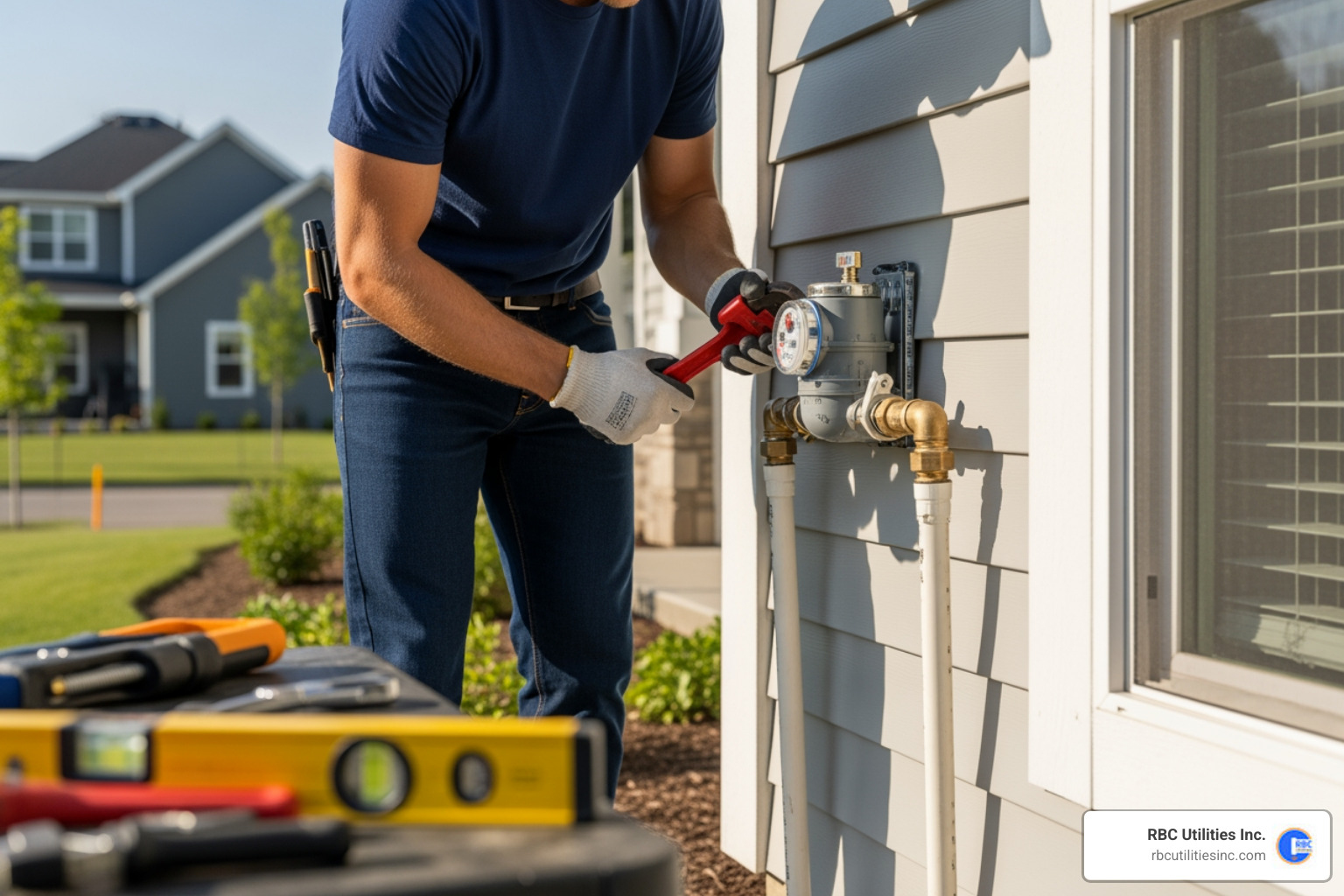
The point where your private line meets the city’s pipe is called the sewer tap. This connection is highly regulated. In many North Carolina jurisdictions, only a licensed professional or the municipality itself is allowed to make this "tie-in."
Once the pipe is laid but before the trench is filled, we perform rigorous testing:
In the past, if you had a sewer problem, you had a trench in your yard. Period. Today, we have options that don't involve destroying your property.
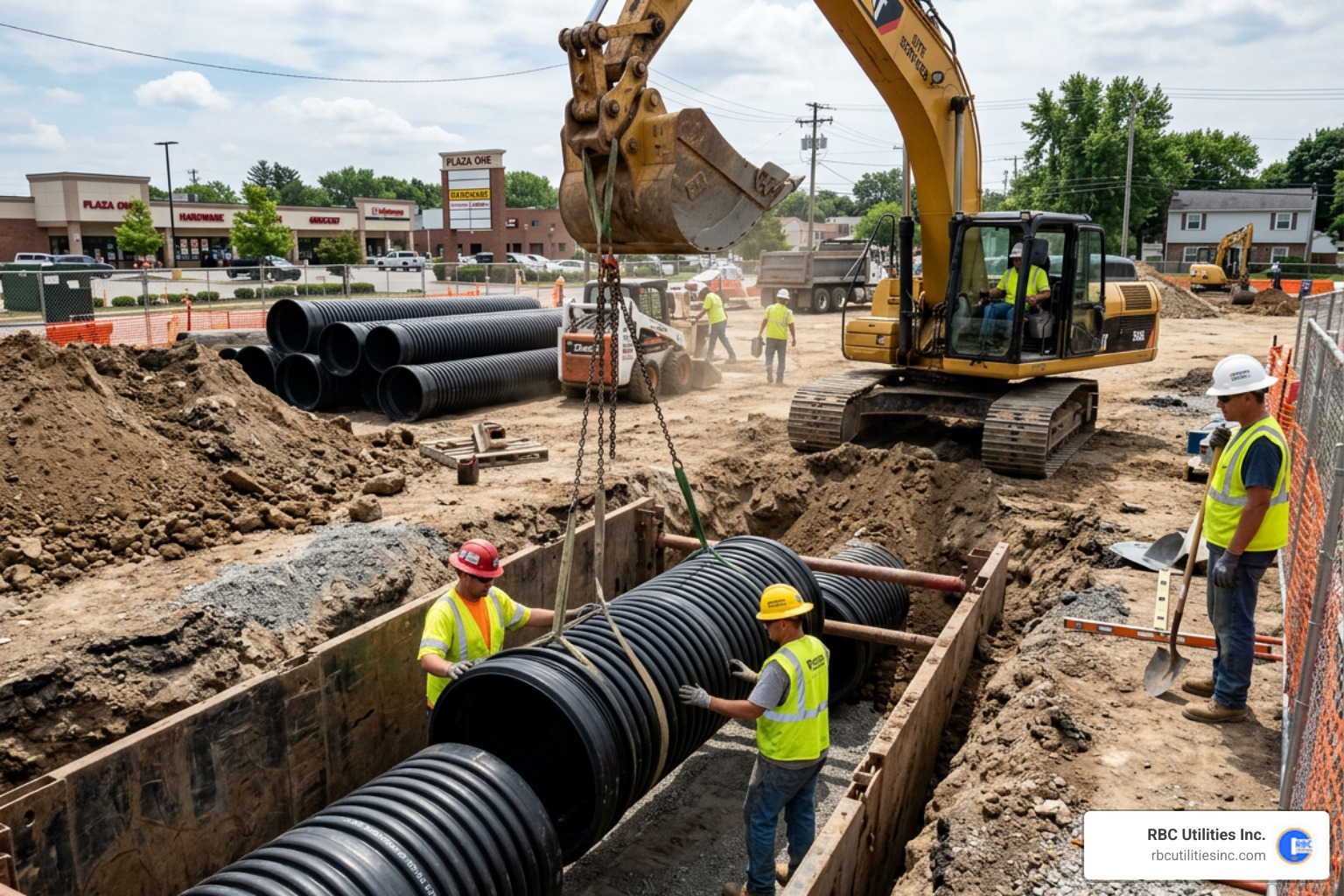
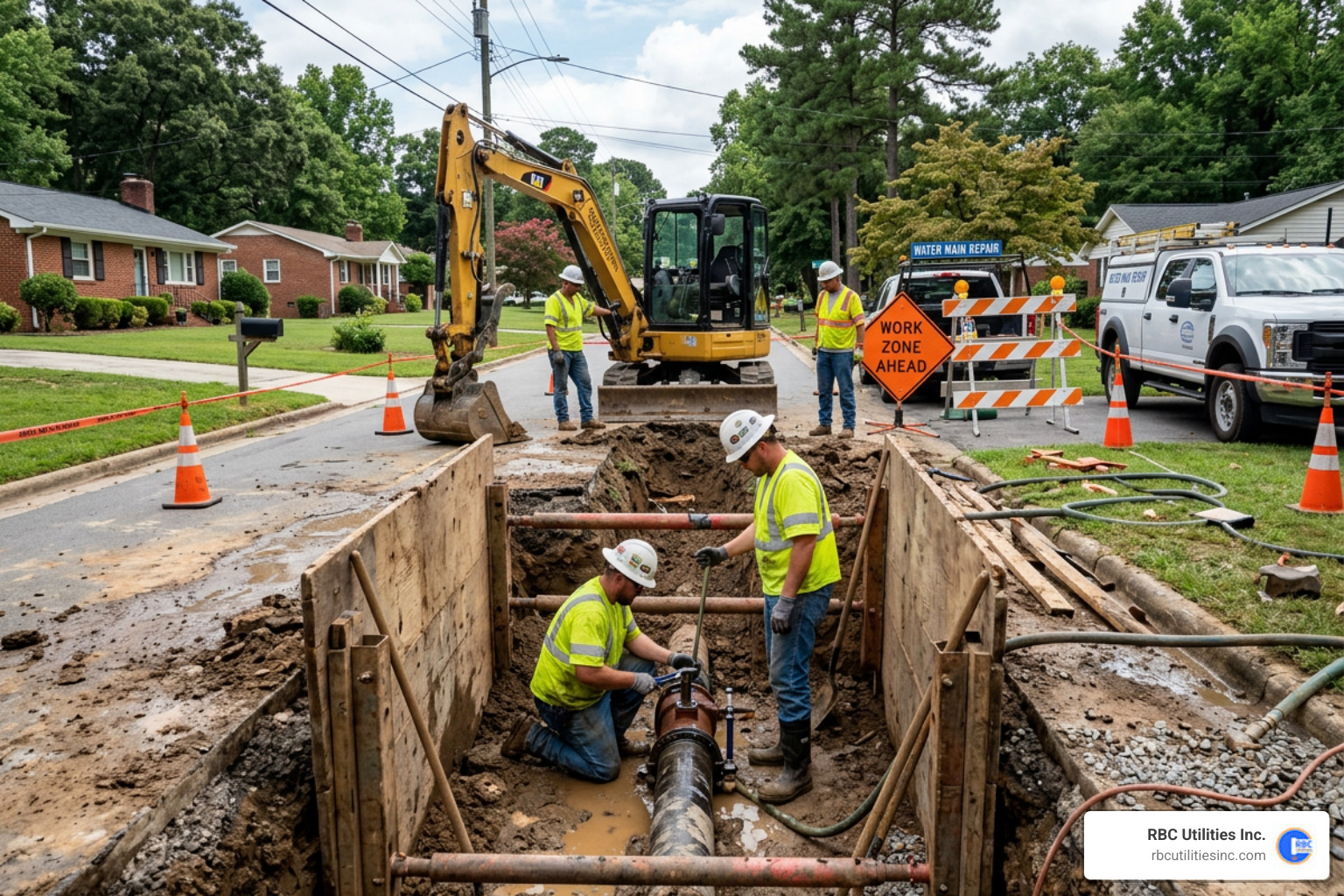
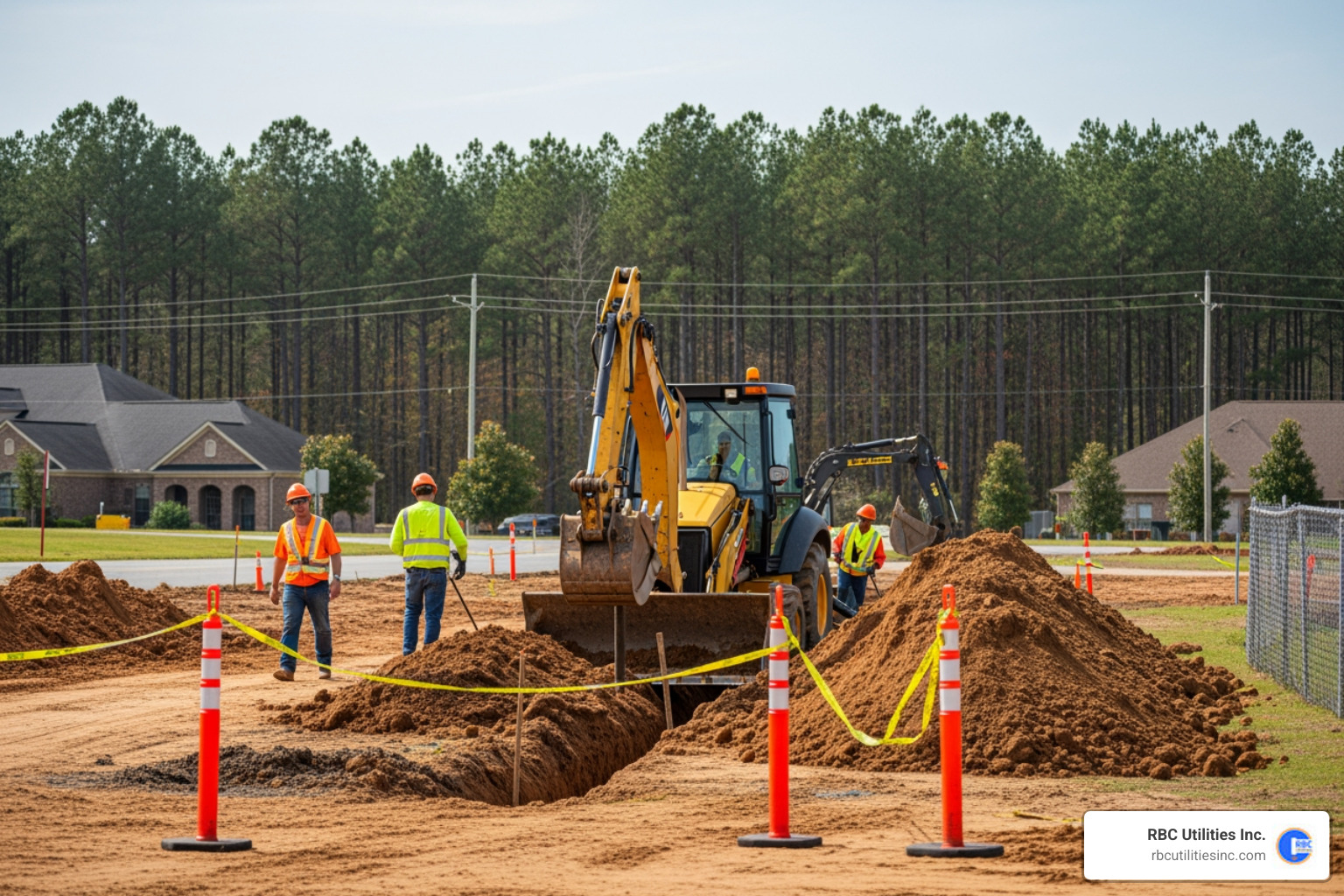
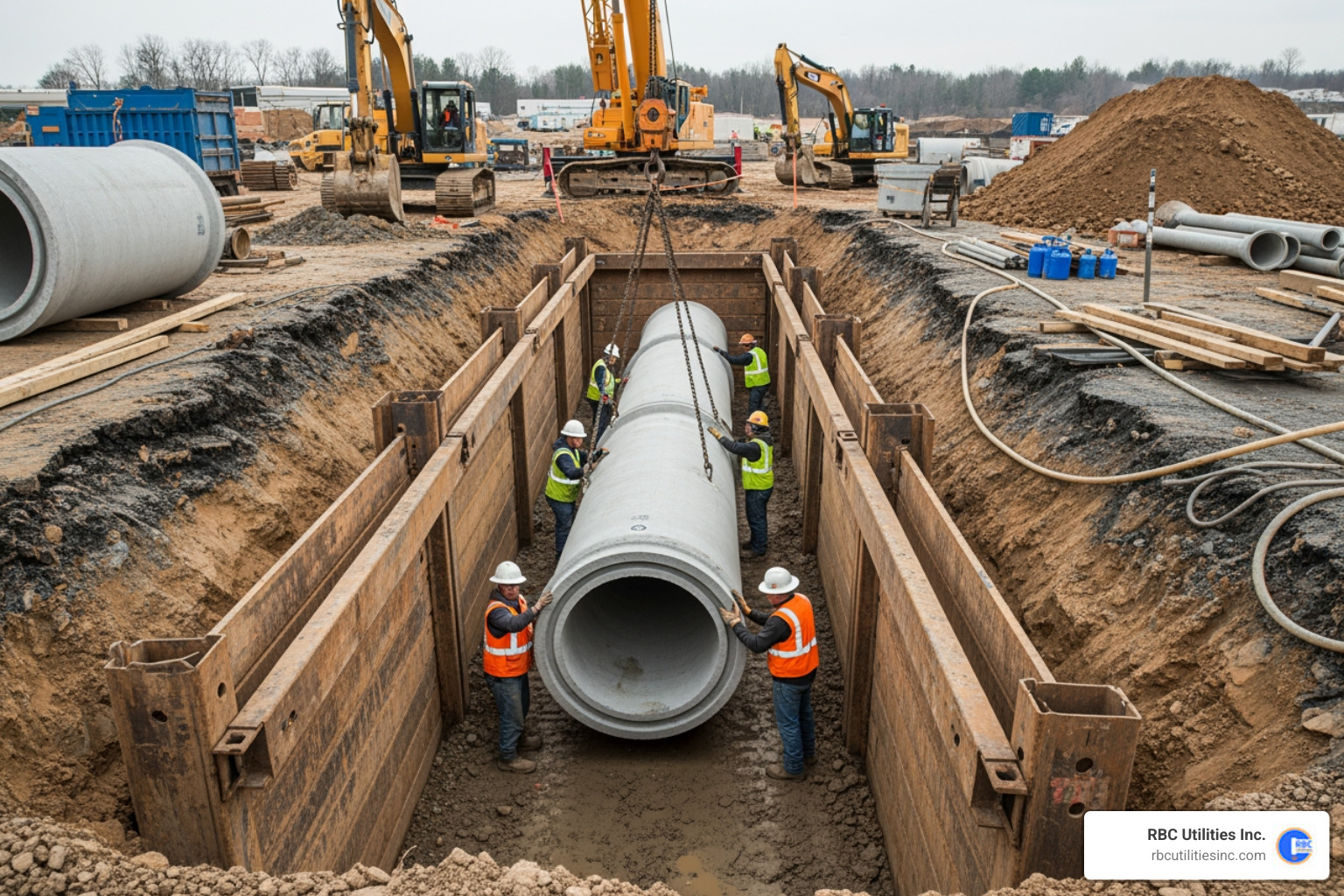
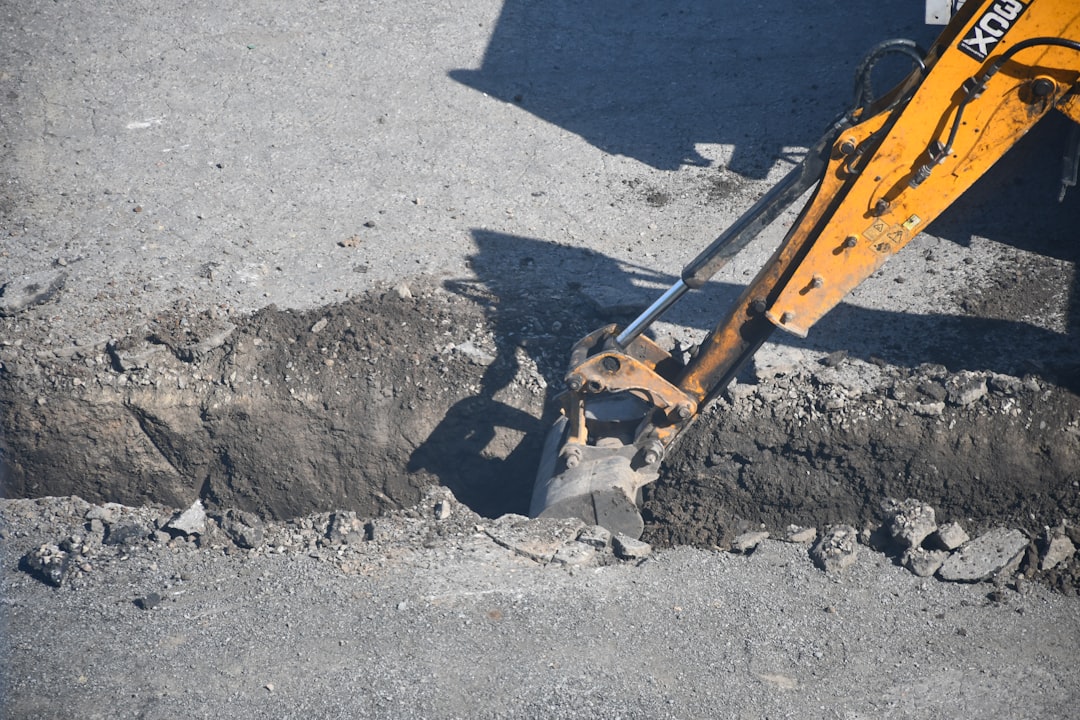
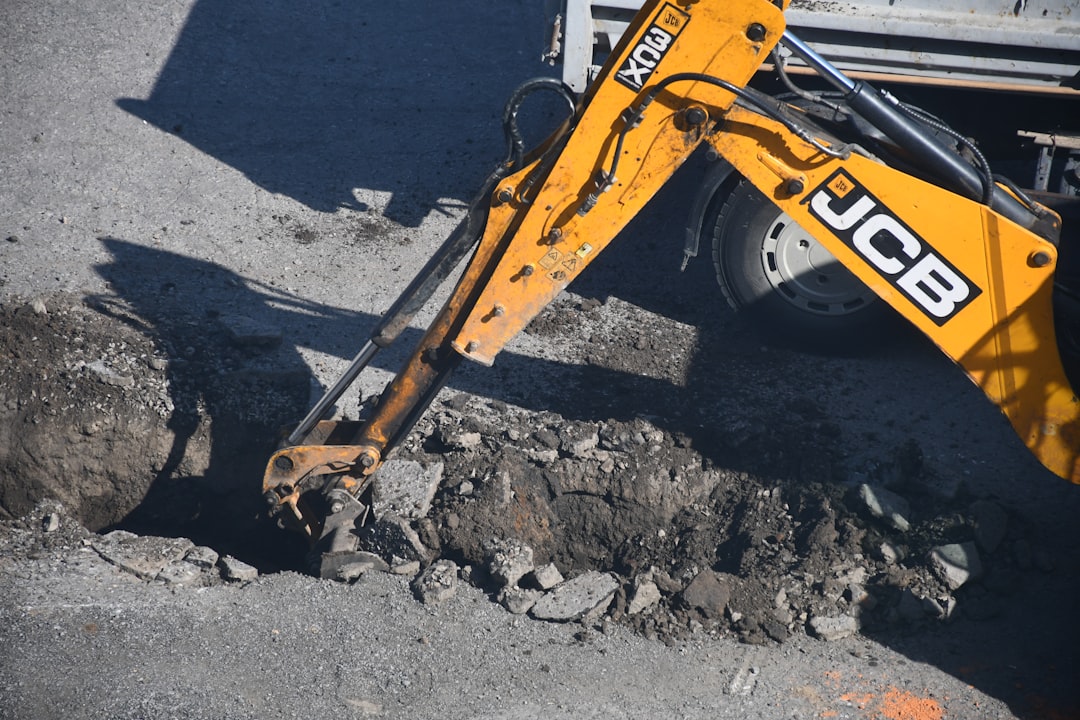
This is the "open-cut" method. We dig a trench from the building to the street, remove the old pipe, and lay the new one.
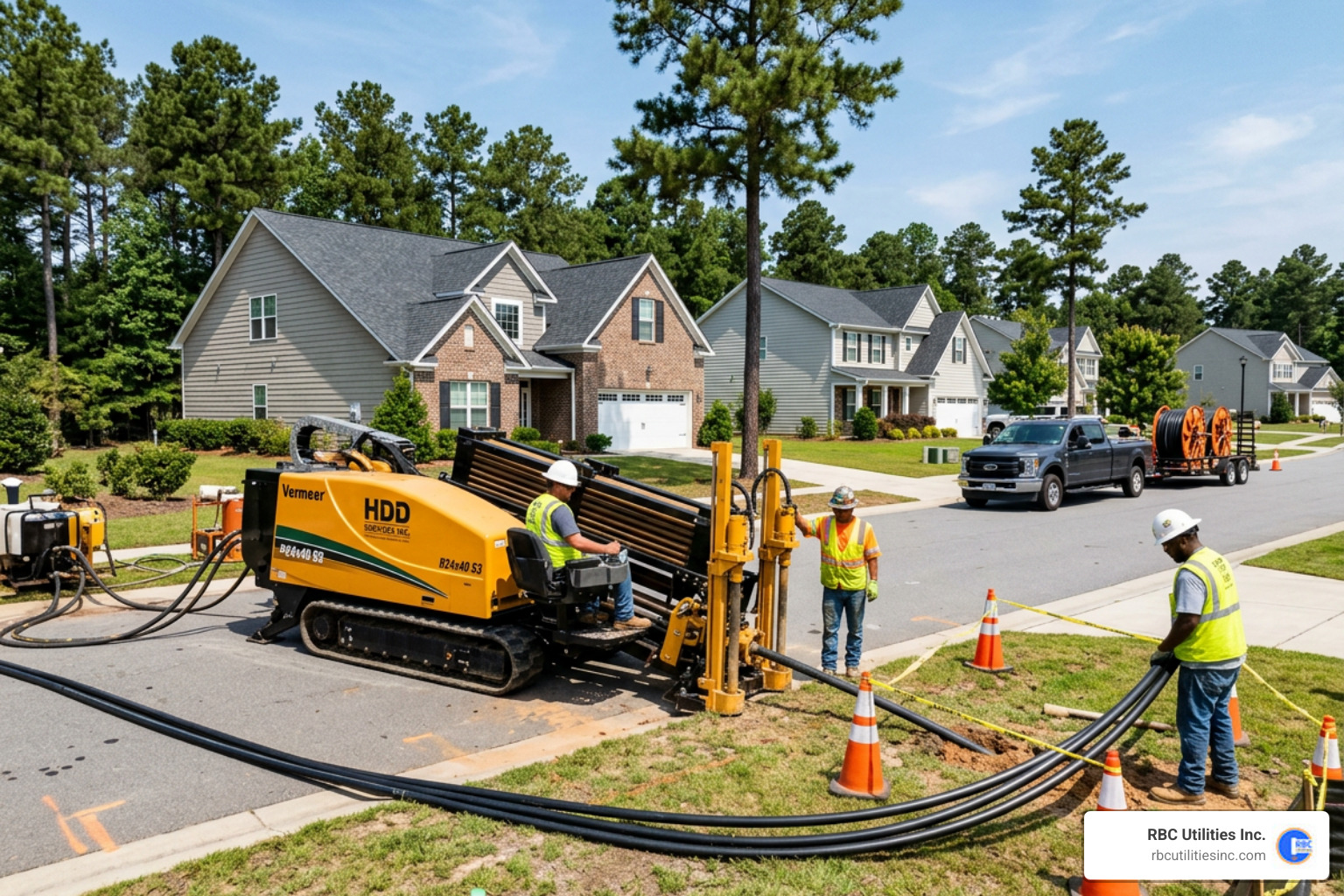
Trenchless sewer replacement uses technology to replace the pipe from the inside out.
Trenchless methods can save 30% to 60% in labor costs because we don't have to spend days operating heavy machinery or weeks replanting trees and repaving driveways.
Safety is not a suggestion in underground utility work; it is a requirement. Excavation is one of the most dangerous jobs in construction.
A cubic yard of soil can weigh as much as a small car (about 3,000 lbs). If a trench collapses on a worker, there is no time to react.
You cannot simply dig a hole and connect to the city sewer. Sewer main line installation requires a mountain of paperwork.
In a word: No. While a "handy" homeowner might be able to dig a hole, the legal and technical stakes are too high. Most jurisdictions require a licensed professional to pull the permits and sign off on the municipal connection. If you get the slope wrong or hit a gas line, the "savings" of DIY will turn into tens of thousands of dollars in fines and repairs.
For a standard residential project, expect 3 to 7 days. This includes:
Once your new PVC or HDPE line is in, it should be relatively "set and forget." However, we recommend:
At RBC Utilities Inc., we know that the success of a project depends on the quality of the work you can't see. Whether we are installing a sanitary sewer main for a new residential subdivision in Charlotte or managing a complex municipal tie-in in South Carolina, our focus remains the same: safety, precision, and reliability.
Backed by the national resources of Saga Infrastructure, we bring local Carolinas expertise to every job site. We don't just lay pipe; we build the foundational infrastructure that keeps our communities running.
If you’re facing a failing main line or planning a new development, don't leave the "dirty work" to chance. Contact us today to ensure your underground utilities are built to last a century.
Part of Saga Infrastructure, protecting what others built and helping it grow.
Address: 4404 Stuart Andrews Blvd., Suite K, Charlotte, NC 28217
Email: info@rbcutilitiesinc.com
Phone: 803-913-9727
Service Area: North Carolina | South Carolina