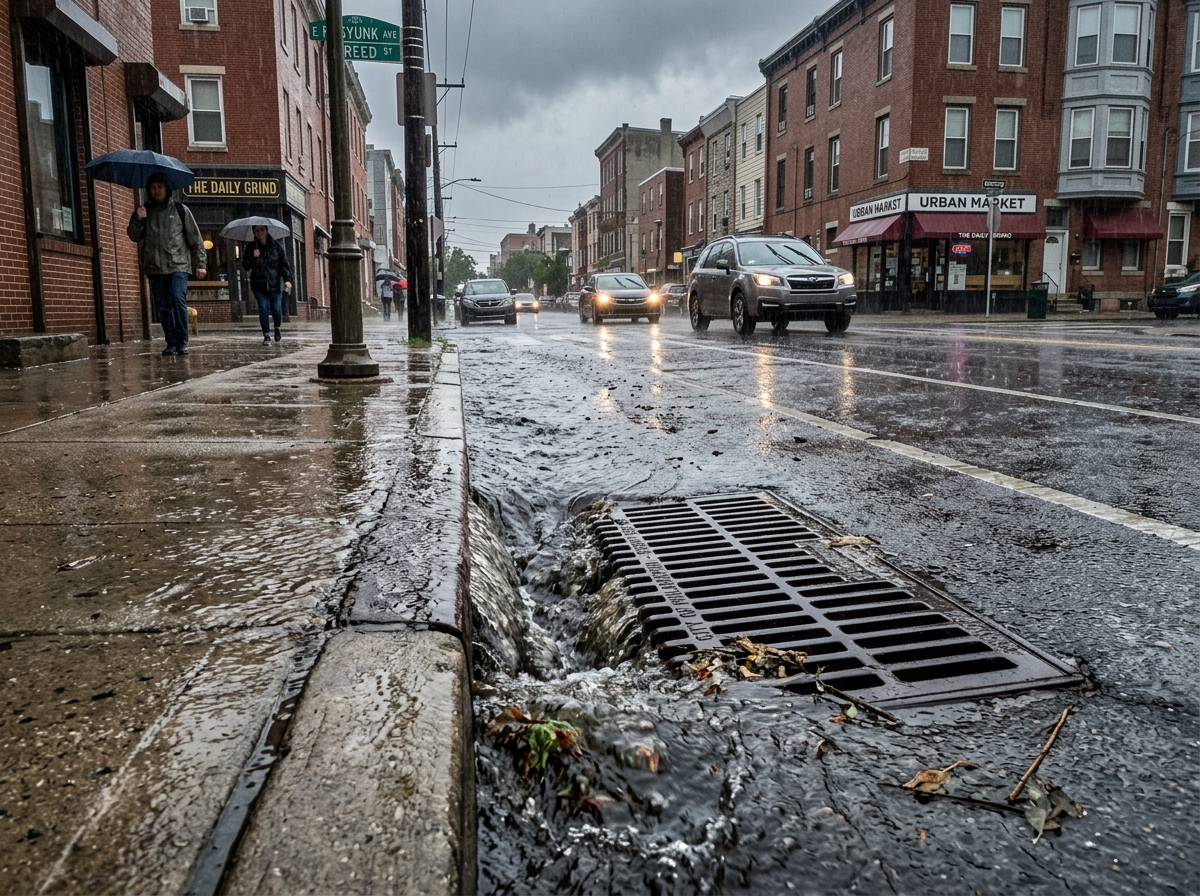
Stormwater infrastructure is the network of systems — both underground and above ground — that collects, moves, treats, and releases rainwater and snowmelt to prevent flooding and protect water quality.
Quick answer:
Gray Infrastructure
Green Infrastructure (GSI)
Both types work together to keep communities dry, safe, and clean.
Here's the problem: in a natural environment, rain soaks into the ground. In a city, it hits rooftops, parking lots, and roads — then rushes into drains, picking up oil, sediment, fertilizers, and litter along the way. That polluted water flows directly into local streams, rivers, and lakes.
As cities grow, so does this problem. More pavement means more runoff. More runoff means more flooding, more pollution, and more pressure on aging pipes and drains that were never designed for today's storm volumes.
The scale is significant. Urban flooding alone costs communities an average of $9 billion in direct damages every year — and claims roughly 71 lives annually. Meanwhile, nearly 600,000 miles of rivers and streams across the U.S. are already considered impaired, largely due to stormwater pollution.
For developers and general contractors in the Carolinas, understanding how stormwater systems work isn't just useful — it directly impacts project timelines, regulatory approvals, and long-term site performance.
I'm Don Larsen, and at RBC Utilities Inc. we've been designing and installing stormwater infrastructure — from storm drainage and sewer systems to full underground utility networks — across residential, commercial, and municipal projects in the Carolinas since 2008. In this guide, I'll walk you through everything you need to know to make smart decisions about stormwater on your next project.
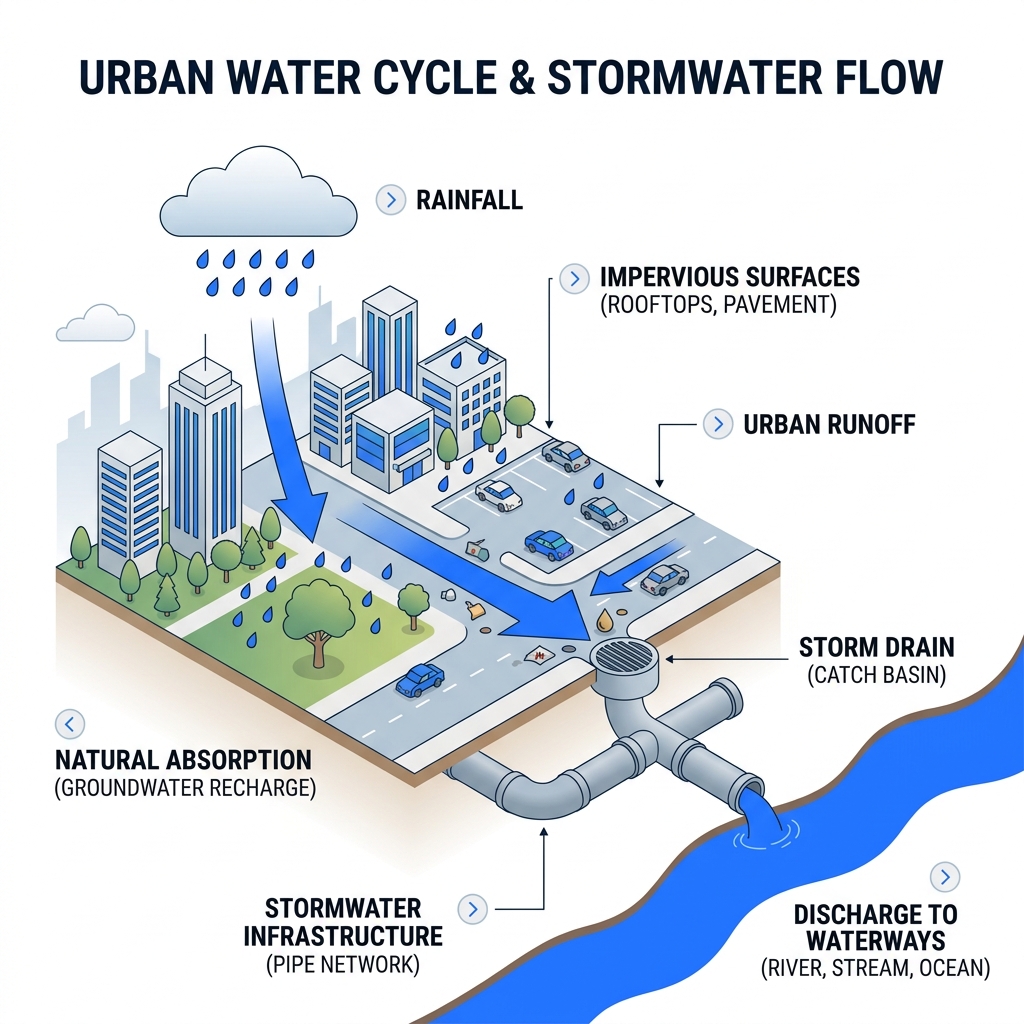
In the Carolinas, we are no strangers to heavy downpours. Whether it’s a summer afternoon thunderstorm in Charlotte or a tropical system moving across South Carolina, water management is the backbone of our urban stability. Without effective stormwater infrastructure, our cities would essentially come to a grinding halt every time the clouds opened up.
The primary job of these systems is flood prevention. By directing water away from homes, businesses, and roads, we prevent the catastrophic "urban flooding" that leads to billions in losses. But it’s not just about keeping your socks dry. It’s about water quality. When rain hits a parking lot in a busy commercial district, it isn't just water anymore; it’s a cocktail of motor oil, de-icing salts, and heavy metals. Without treatment systems in place, this mix heads straight for our drinking water sources.
According to research, urban flooding results in $9 billion in damages annually. Beyond the dollar signs, there is a massive human cost. From 2004 to 2014, an average of 71 deaths occurred each year due to urban flooding. This makes the "unseen" pipes under our feet some of the most important public safety tools we own.
Furthermore, we have to look at our natural resources. The National Summary of Impaired Waters shows that nearly 600,000 miles of rivers and streams and more than 13 million acres of lakes are considered impaired. Much of this is due to "non-point source pollution"—a fancy way of saying "stuff washed off the street by rain." Effective infrastructure acts as a filter, protecting habitats and ensuring our local ecosystems remain resilient.
When stormwater infrastructure fails, the ripple effects are felt throughout the entire economy. It starts with property damage—flooded basements, ruined inventory in warehouses, and structural damage to buildings. But it quickly moves to the public sector. Inadequate drainage leads to road erosion, bridge scouring, and the premature failure of asphalt, which costs taxpayers a fortune in repairs.
Business disruption is another massive factor. If a main artery in Charlotte or a business district in South Carolina is underwater, employees can’t get to work, and logistics chains break down. These delays aren't just an inconvenience; they are a direct hit to the regional GDP.
Insurance costs also skyrocket in areas with poor drainage. As flood risks intensify, many property owners find themselves relying on the National Flood Insurance Program (NFIP). You can find more detail on the Facts and Statistics on Flood Insurance to see how these costs have trended over time. For developers, a site that is prone to flooding is a liability that can sink a project's valuation before the first brick is even laid. This is why we emphasize getting the underground utility work right the first time—it is the foundation of economic stability for any new development.
In utility construction, we generally talk about two "flavors" of infrastructure: Gray and Green. For decades, "Gray" was the only game in town. It’s the traditional approach of using hard, engineered structures to move water from Point A to Point B as fast as possible. "Green" infrastructure, or GSI, is the newer, nature-based approach that tries to mimic how the earth handled water before we paved over it.
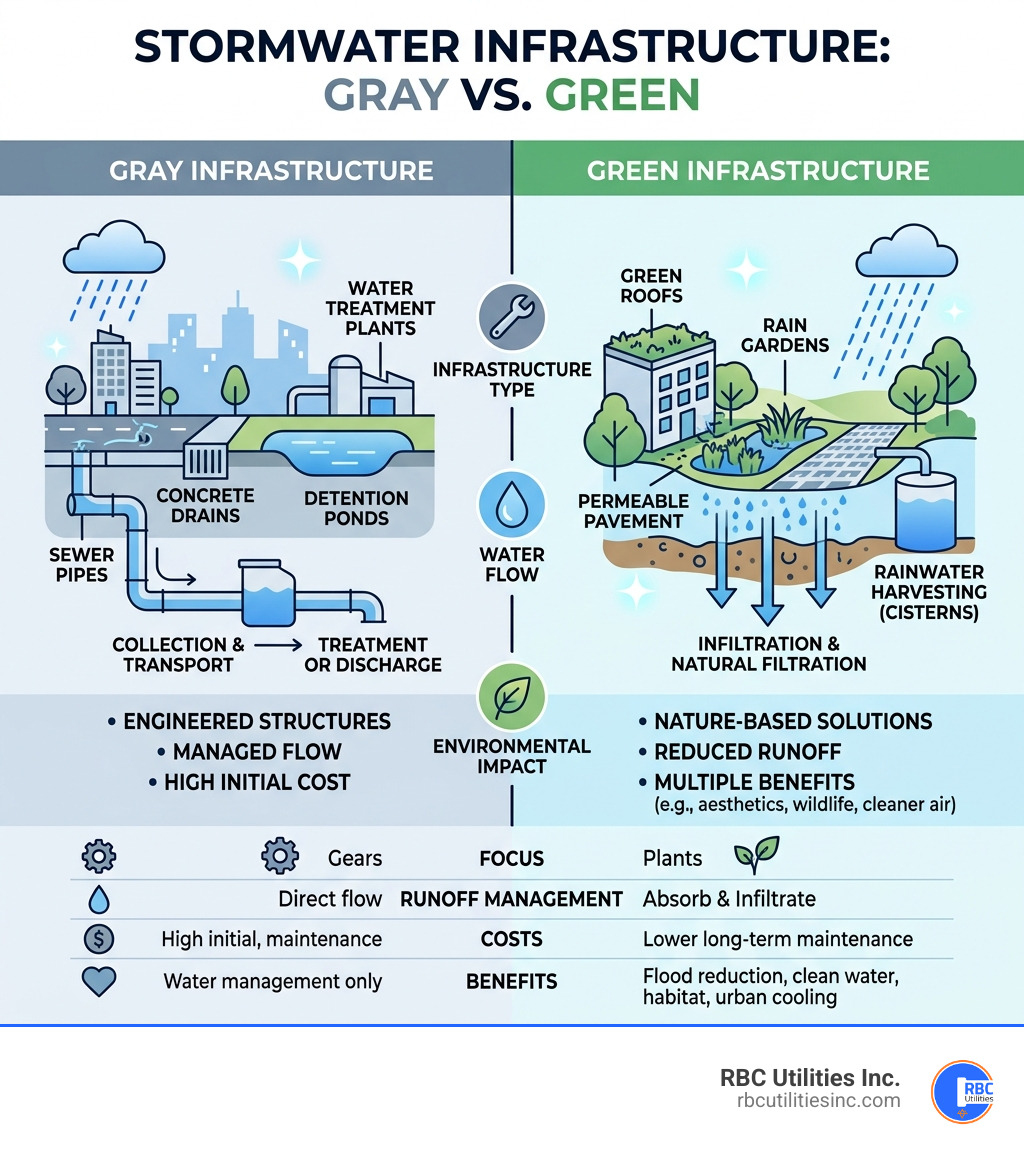
The modern consensus is that we need both. Gray infrastructure provides the high-capacity "muscle" needed for extreme storms, while GSI provides the "filter" and reduces the total volume of water that the gray pipes have to handle. You can learn more about these nature-based solutions and how they are being integrated into modern city planning.
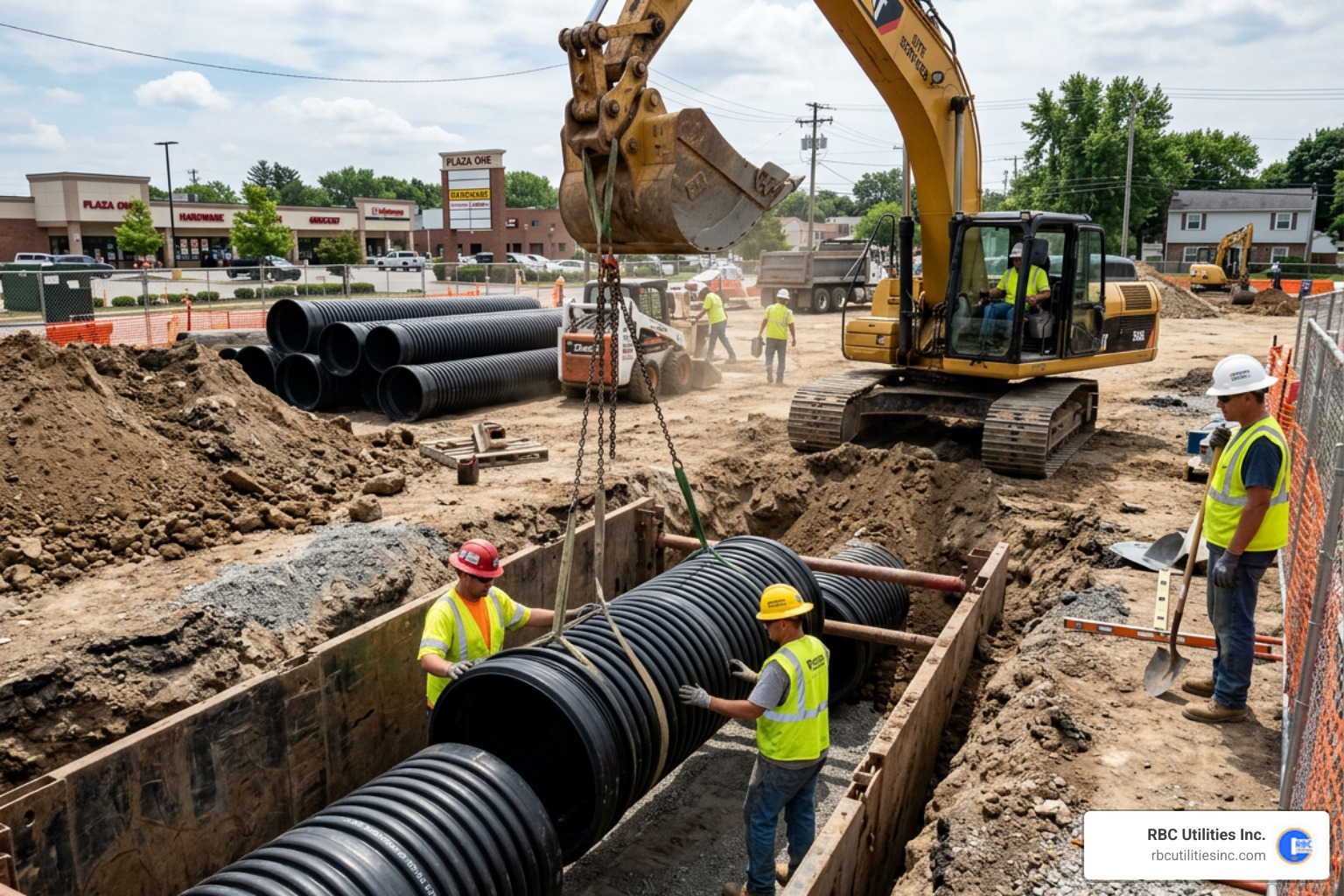
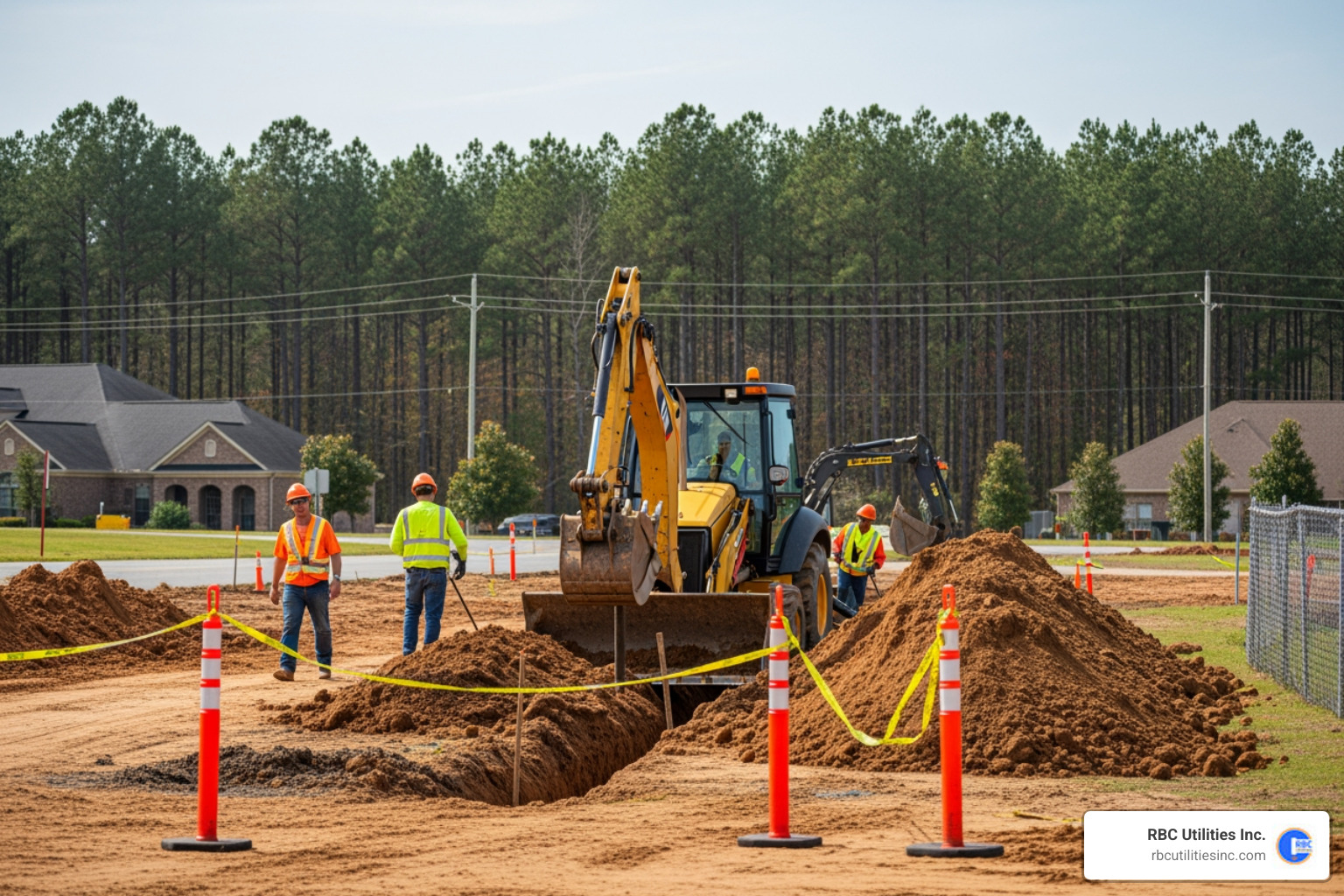
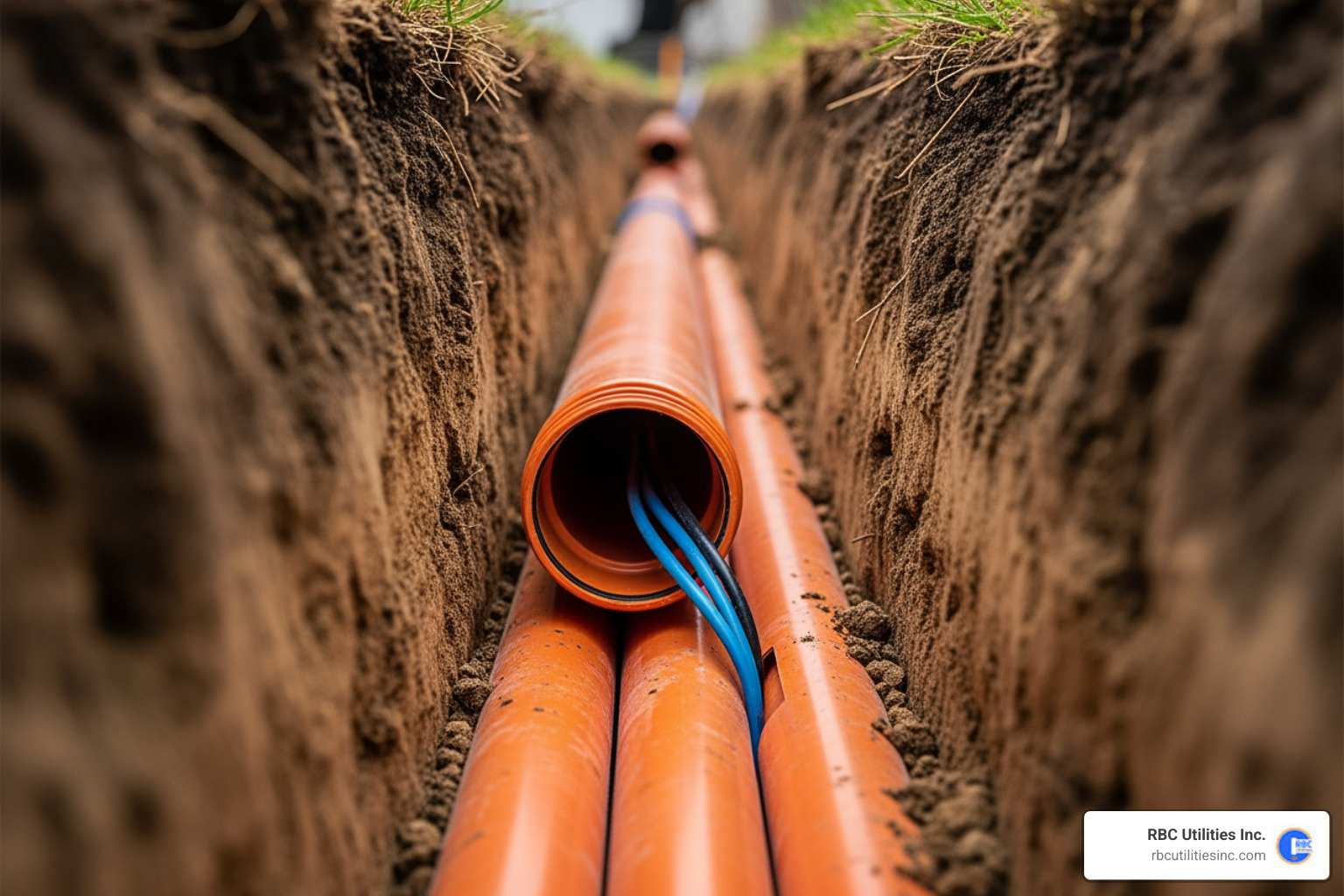
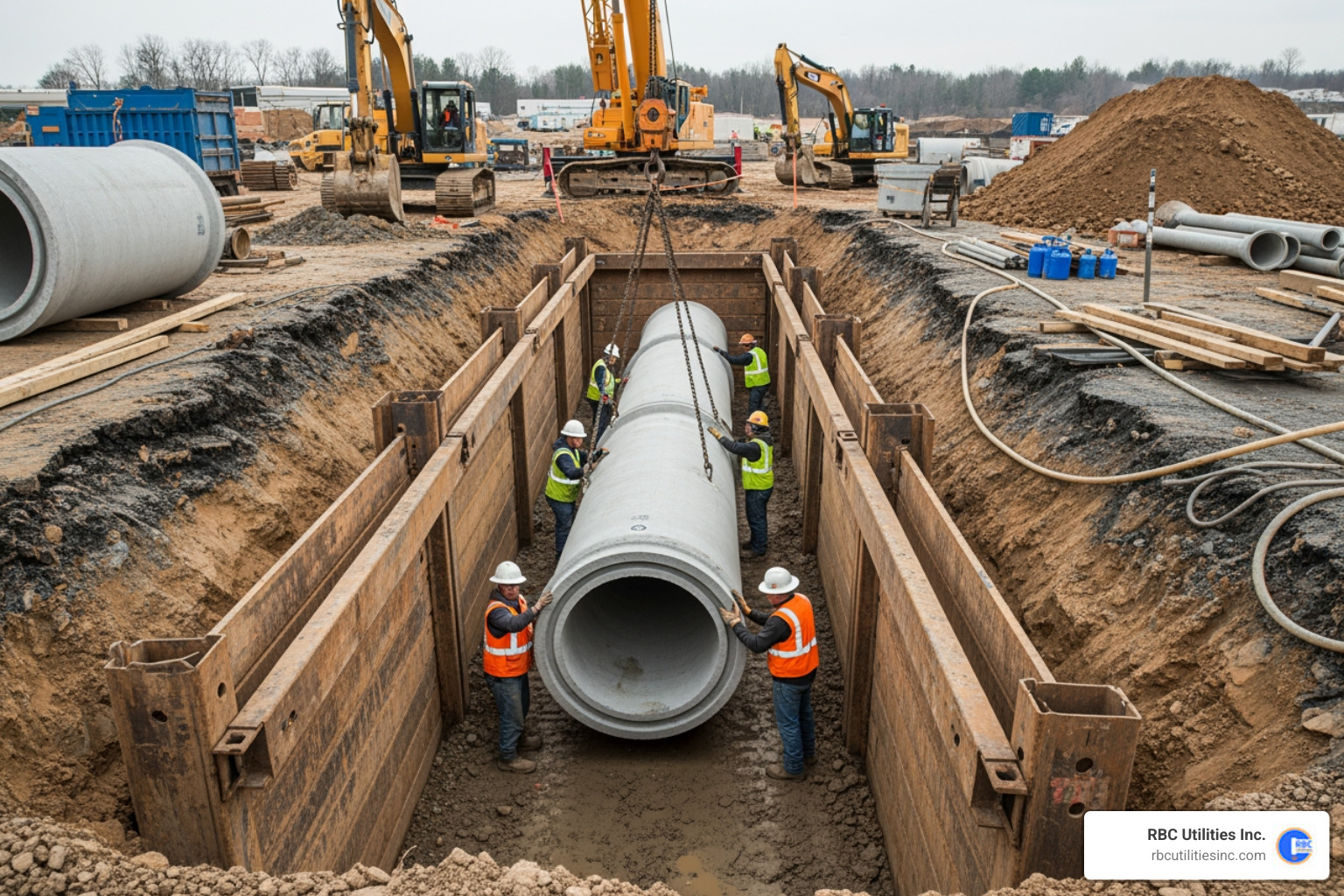
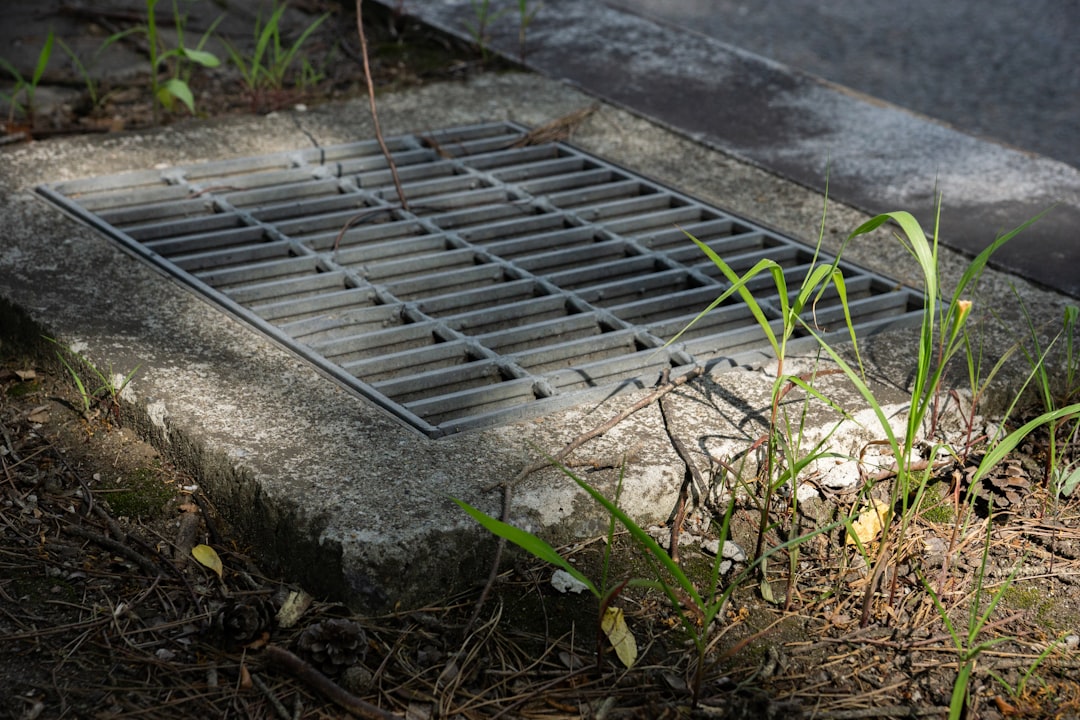
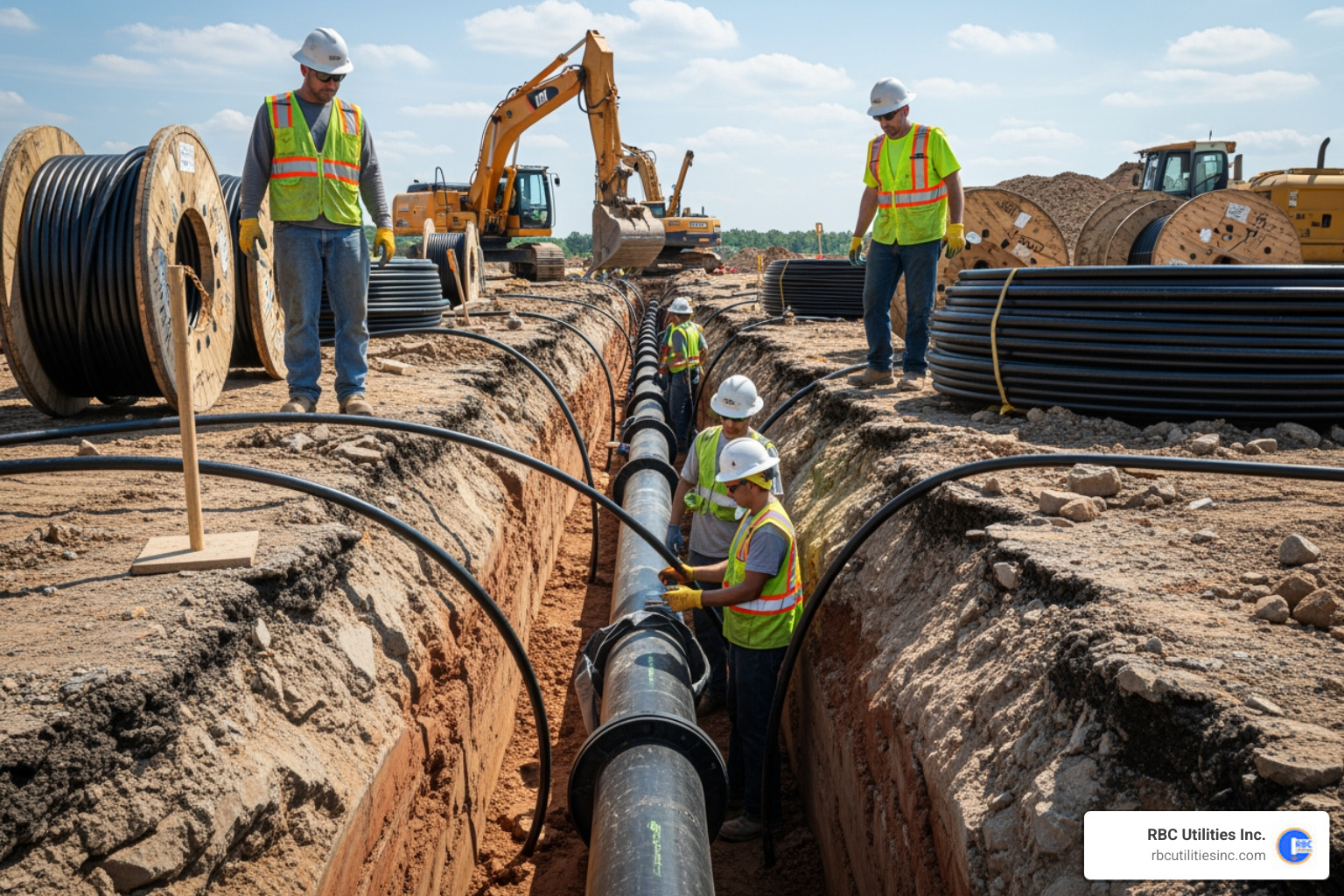
When we at RBC Utilities Inc. get to work on a traditional site, we are dealing with a massive network of engineered components. Across the U.S., there are about 3.5 million miles of storm sewers and roughly 270 million storm drains. That’s a lot of concrete and metal hidden beneath our feet!
Key components include:
Traditional conveyance systems (the pipes) have an impressive projected lifespan of 50 to 100 years. However, the storage and treatment systems (the ponds) usually require significant rehabilitation every 20 to 30 years to maintain their capacity.
Green Stormwater Infrastructure (GSI) is about working with nature rather than against it. By using plants and soil, we can achieve "evapotranspiration"—where plants literally breathe water back into the atmosphere—and groundwater recharge, which keeps our local water tables healthy.
Some common examples we see in the Carolinas include:
Beyond just water management, GSI offers economic and social benefits such as reducing the "urban heat island" effect, increasing property values through better aesthetics, and even improving mental health for residents who enjoy more green space in their neighborhoods.
It isn't all sunshine and rainbows in water. The American Society of Civil Engineers (ASCE) recently gave our nation’s stormwater infrastructure a GPA of D. That is a failing grade in almost any book.
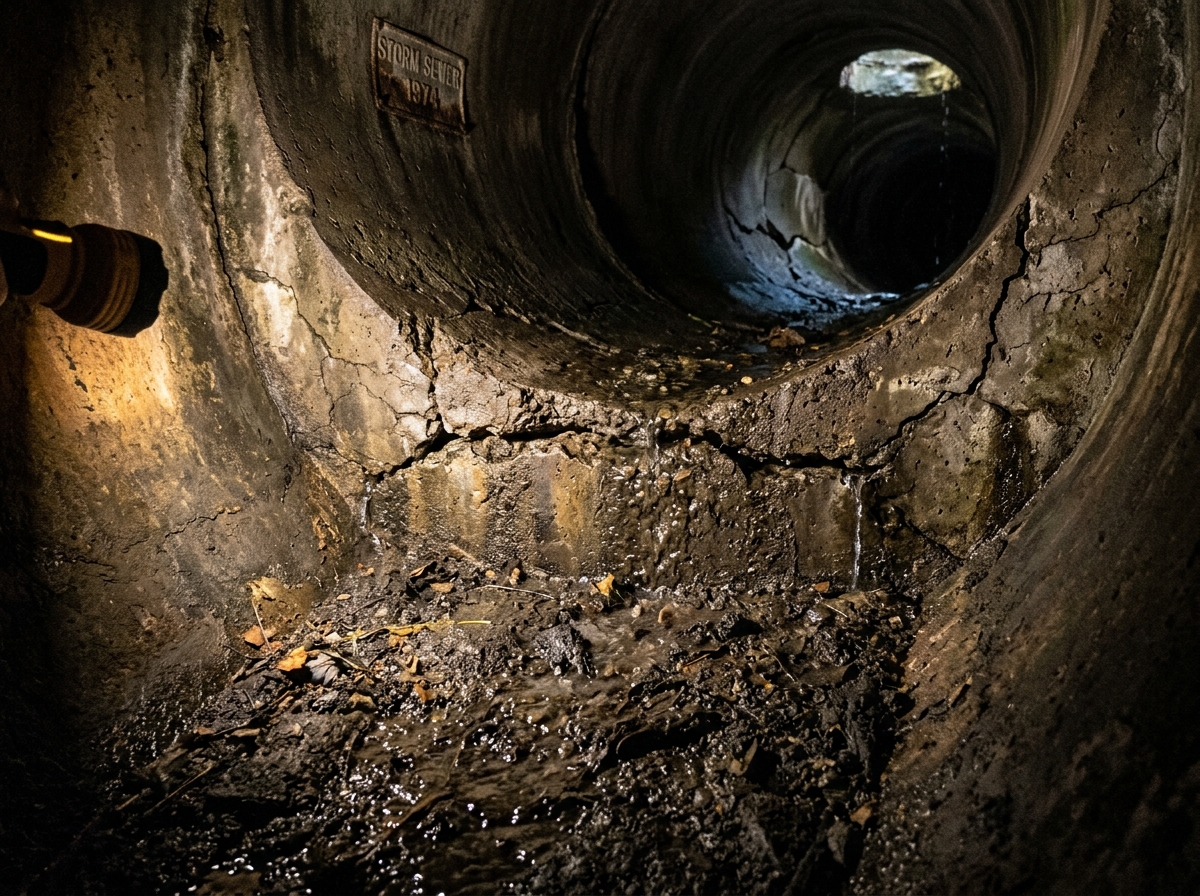
The biggest challenge is age. Many of the systems in older parts of our Carolina cities were installed over 50 or 70 years ago. They are reaching the end of their design life. Combine aging pipes with rapid urban expansion, and you have a recipe for disaster. When we replace a small forest with a large apartment complex, the amount of runoff increases exponentially, often overwhelming the existing pipes that were sized for a different era.
Then there’s the money. There is a growing annual funding gap of $8 billion just to comply with current stormwater regulations. Federal funding for stormwater averages only about $250 million annually—a drop in the bucket compared to the need. You can read the full breakdown in the ASCE 2021 Infrastructure Report Card to see why our systems are under such strain.
Climate change is also moving the goalposts. We are seeing more "extreme weather events"—storms that drop several inches of rain in a very short period. Systems designed 30 years ago for a "10-year storm" are now being tested by rainfall intensities they were never meant to handle.
So, who pays for all of this? Traditionally, stormwater was funded through general property taxes. However, as costs have risen, many communities have moved toward Stormwater Utilities. This works a bit like your water or electric bill.
The percentage of communities with municipal MS4s (Municipal Separate Storm Sewer Systems) that have stormwater utilities grew from 19% in 2013 to over 26% in 2018. In most cases, the fee is based on the amount of "impervious surface" (pavement and rooftops) on a property. For a single-family home, the average monthly fee in 2018 was about $5.34.
Management is a split responsibility:
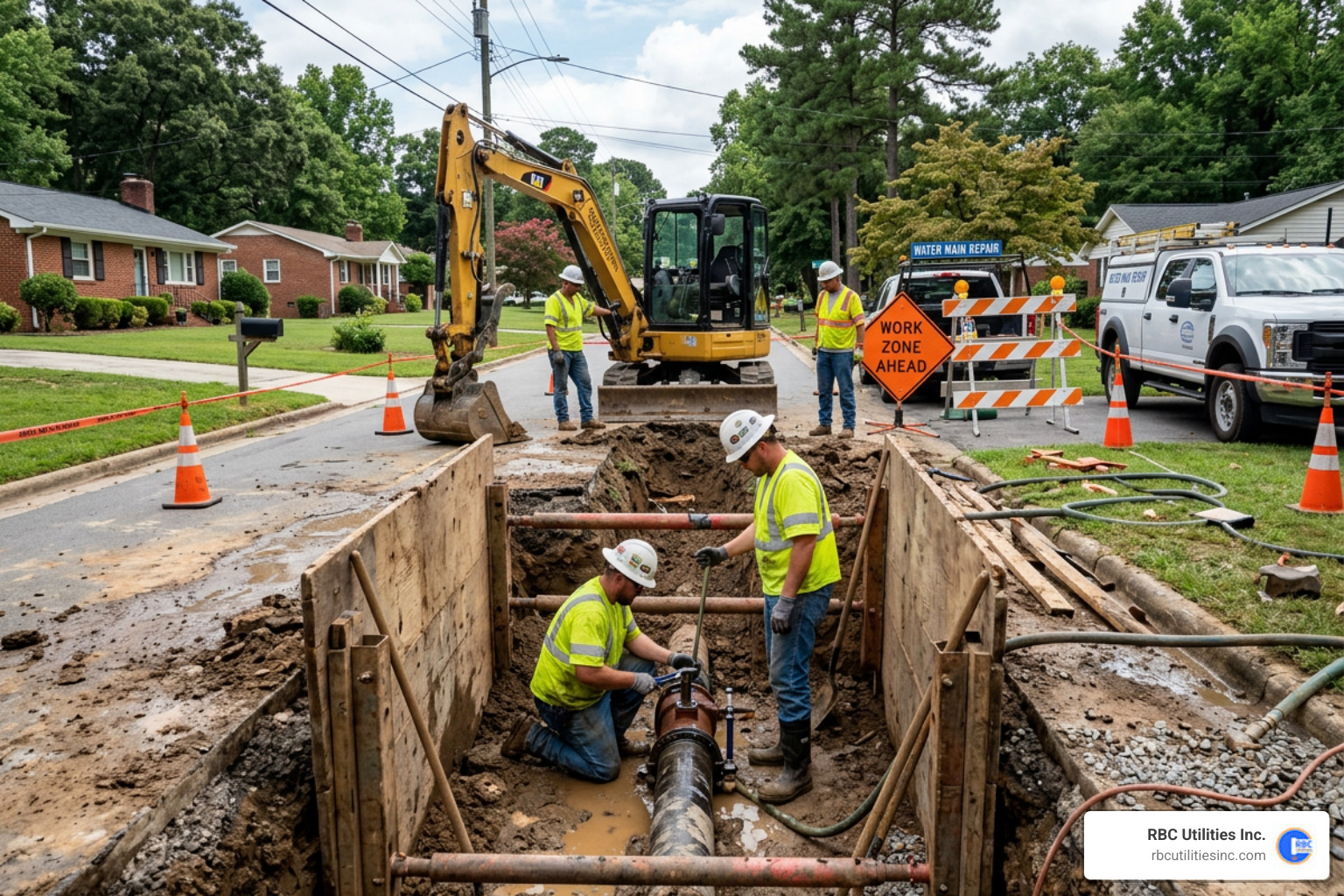
Maintenance is the part that often gets ignored until there’s a flood. Catch basins need to be vacuumed out, pipes need to be inspected for cracks, and detention ponds need to be dredged of sediment. If you are a developer or a property manager, evaluating stormwater funding and financing is a critical part of your long-term pro forma.
The future of stormwater infrastructure is getting "smart." We are moving away from passive pipes and toward active, managed systems.
One of the coolest innovations is Real-Time Control (RTC). By using sensors and weather forecasts, these systems can "decide" when to release water from a pond. For example, if the system knows a massive storm is coming in six hours, it can automatically drain a detention pond early to create maximum capacity for the incoming rain. This kind of smart stormwater technology is a game-changer for flood-prone urban areas.
We are also seeing a shift toward "Integrated Planning." Instead of treating drinking water, wastewater, and stormwater as three separate problems, cities are looking at the whole water cycle. This includes "water reuse," where stormwater is captured, treated, and used for irrigation or industrial cooling, rather than just being dumped into a river.
Regional trading is another innovative strategy. In some watersheds, developers who can’t meet strict nutrient or volume requirements on a cramped urban site can pay into a fund that builds larger, more efficient GSI projects elsewhere in the same watershed. This "nutrient credit" approach ensures the environment wins even when space is tight.
In a Separate Sewer System (MS4), which is what we mostly build today, there are two different sets of pipes: one for "sanitary" waste (from your toilets and sinks) that goes to a treatment plant, and one for "stormwater" (from rain) that goes directly to local waterways.
In a Combined Sewer System (CSS), which you’ll find in older legacy cities, both waste and rainwater go into the same pipe. The problem? During heavy rain, the system overflows, sending raw sewage directly into rivers. Thankfully, most of the Carolinas use separate systems, but maintaining that separation is a huge part of what we do.
Most local funding comes from stormwater utility fees. These are dedicated funds that can’t be spent on other city projects like parks or libraries. Some projects are also funded through the Clean Water State Revolving Fund (CWSRF), which provides low-interest loans for water quality projects. Interestingly, while the CWSRF has provided billions, only about 3% of those funds have traditionally gone toward stormwater, though that number is growing as the need becomes more obvious.
Because it’s efficient and multi-functional. A concrete pipe only does one thing: it moves water. A bioswale moves water, filters pollutants, provides a home for birds and bees, cools the air, and makes the neighborhood look better. As land prices in cities like Charlotte continue to rise, developers want infrastructure that adds value to the property rather than just taking up space underground.
Building and maintaining stormwater infrastructure is one of the most significant challenges facing the Carolinas today. From the aging "gray" pipes under our historic districts to the innovative "green" bioswales in our newest developments, these systems are the silent guardians of our public safety and economic health.
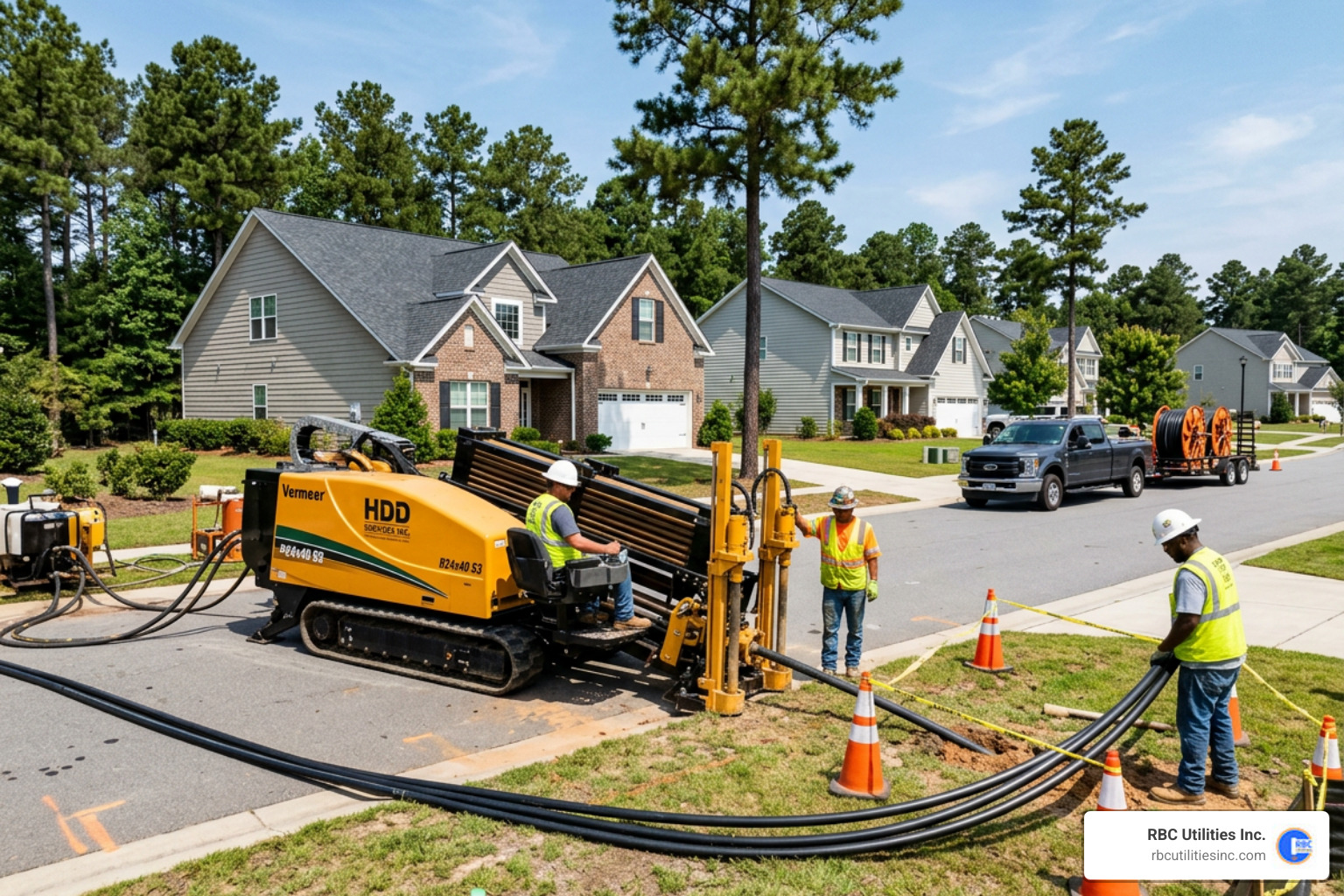
At RBC Utilities Inc., we take this responsibility seriously. Whether we are boring a new storm line under a busy highway or installing a complex network of catch basins for a new residential community, our focus is always on reliability, safety, and long-term performance. We understand the local soil, the local regulations, and the local weather patterns that make the Carolinas unique.
As our region continues to grow, we need infrastructure that grows with it—systems that are resilient enough to handle the next big storm and smart enough to protect our beautiful natural resources.
If you’re planning a project and want to ensure your underground utilities are built to last, Contact RBC Utilities Inc. for Infrastructure Solutions. Let’s build something that keeps our communities safe and dry for the next hundred years.
Part of Saga Infrastructure, protecting what others built and helping it grow.
Address: 4404 Stuart Andrews Blvd., Suite K, Charlotte, NC 28217
Email: info@rbcutilitiesinc.com
Phone: 803-913-9727
Service Area: North Carolina | South Carolina