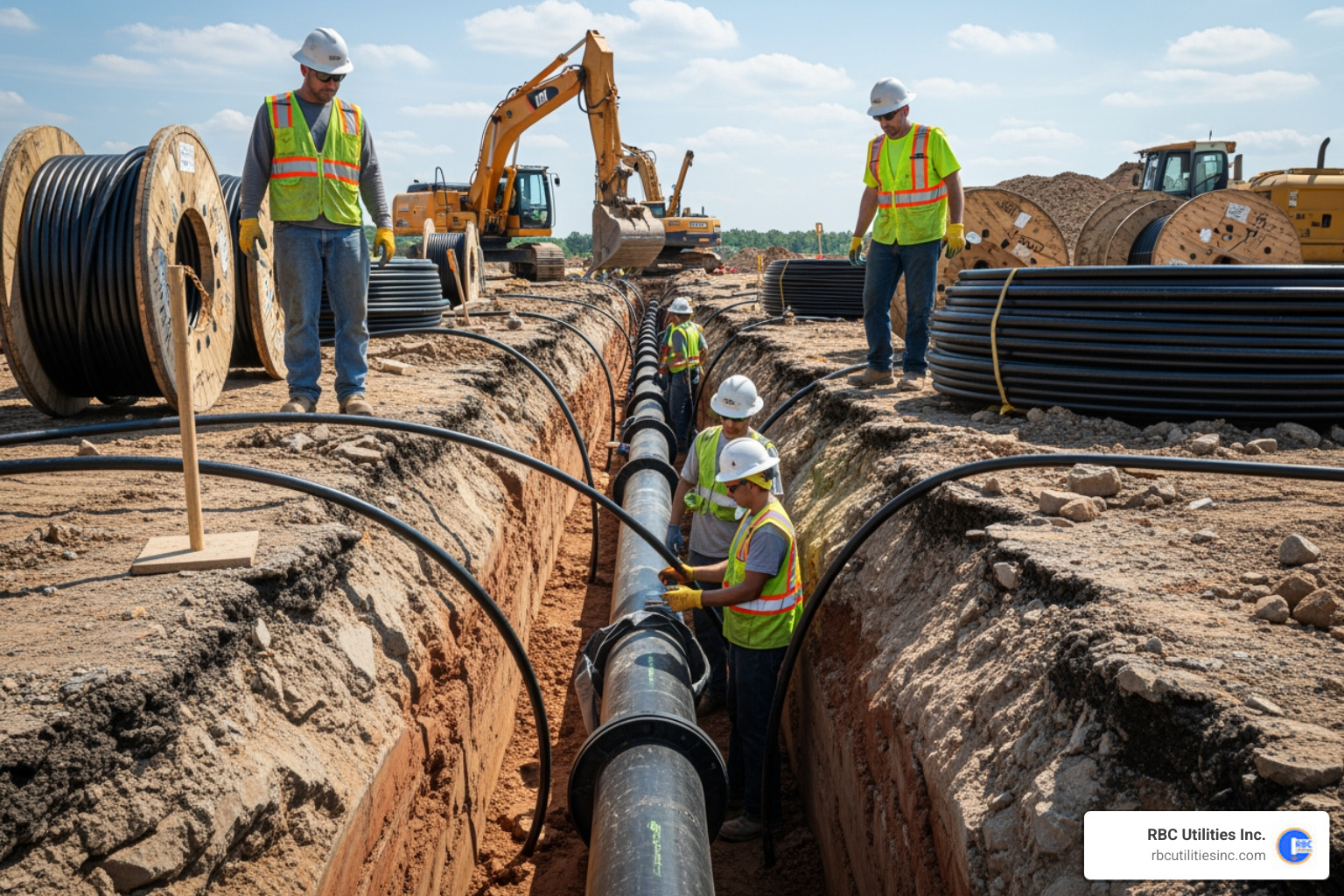
Commercial sewer line repair is the process of diagnosing and fixing damaged underground pipes that carry waste from a commercial building to the municipal sewer system — and getting it wrong can shut down an entire job site.
Here's a quick overview of what you need to know:
| Topic | Quick Answer |
|---|---|
| Common signs of trouble | Slow drains, sewage odors, gurgling toilets, soggy ground, backups |
| Main repair methods | Trenchless (CIPP lining, pipe bursting) or traditional excavation |
| Typical project timeline | A few hours to a couple of days for trenchless repair |
| Expected lifespan | 50 years or more with trenchless methods |
| Best for commercial sites | Trenchless — minimal disruption to operations and surface structures |
For developers and general contractors building in North Carolina, a failing sewer line isn't just a plumbing problem. It's a schedule problem, a budget problem, and sometimes a safety problem.
Commercial sewer systems handle far more daily load than residential ones. More users, more grease, more debris, and more pressure on aging infrastructure. When something goes wrong — a cracked pipe, a root intrusion, a collapsed line — the consequences hit fast.
Bathrooms go offline. Kitchens shut down. Inspections stall. Deadlines slip.
The good news? Modern repair methods have changed dramatically. You don't always need to tear up a parking lot or demolish concrete to fix a sewer line. But you do need to know your options — and choose the right contractor.
This guide breaks down everything: warning signs, repair methods, cost factors, and what to look for in a commercial sewer contractor in the Carolinas.
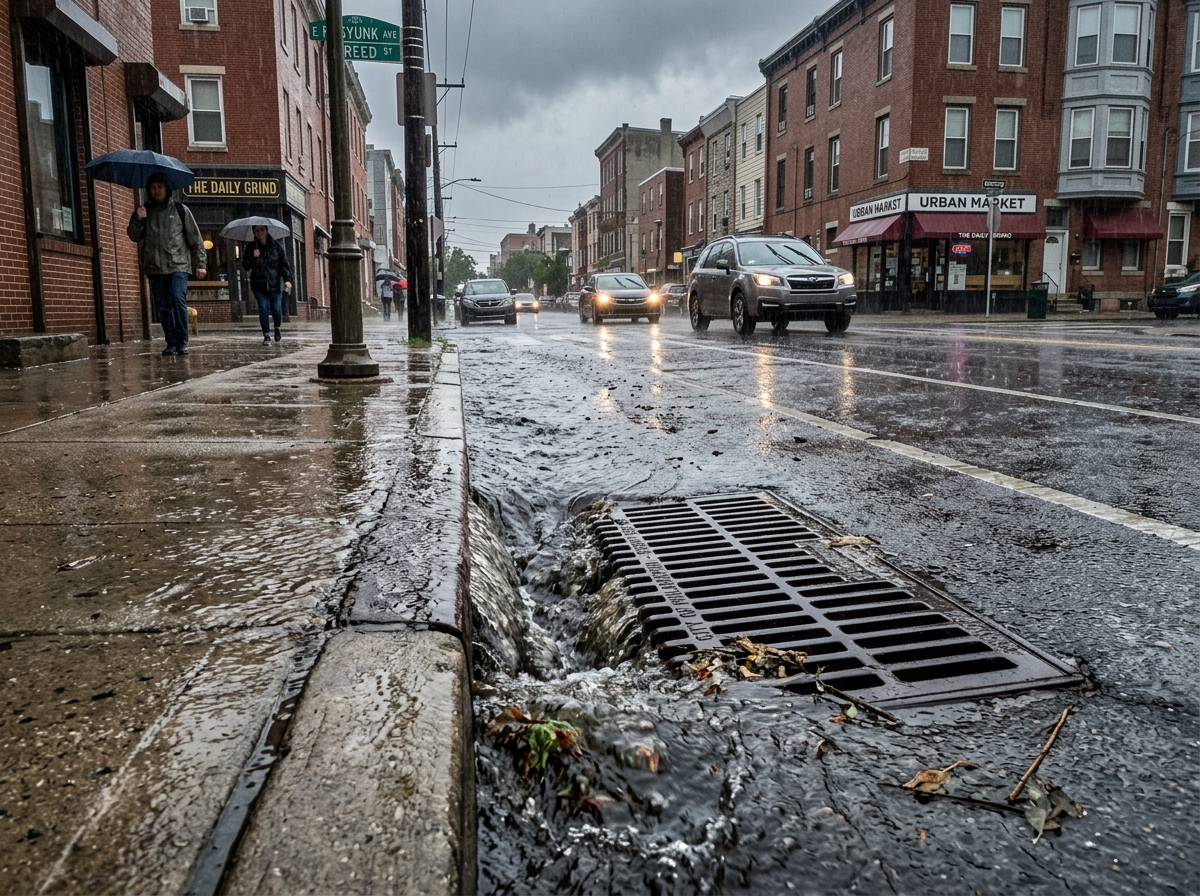
In the busy commercial environment of Charlotte or Raleigh, a sewer issue rarely stays a secret for long. Because commercial systems support high-occupancy buildings like shopping malls, office complexes, and industrial facilities, the volume of waste is significantly higher than in a residential setting. When the infrastructure begins to fail, the symptoms are often dramatic and disruptive.
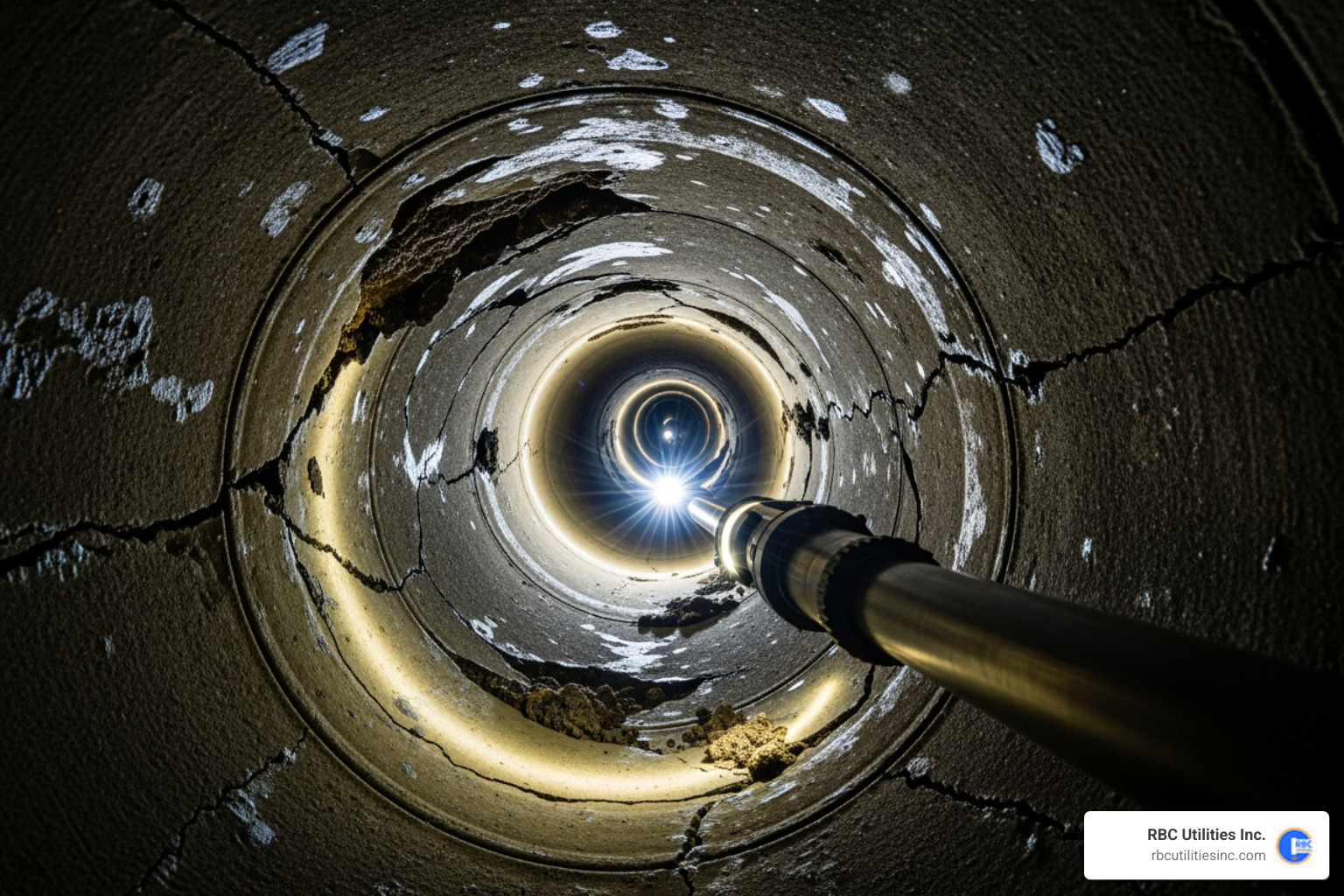
The most common "red flags" that we see on job sites include:
For those managing large-scale projects, catching these signs early is the difference between a quick fix and a total site shutdown. You can learn more about how we handle these complex systems by viewing More info about sewer services. Additionally, when engaging with service providers, always ensure your data is handled correctly by reviewing their Privacy Policy.
Gone are the days of "guess and stress." We utilize advanced technology to see exactly what is happening under the surface without moving a single shovelful of dirt.
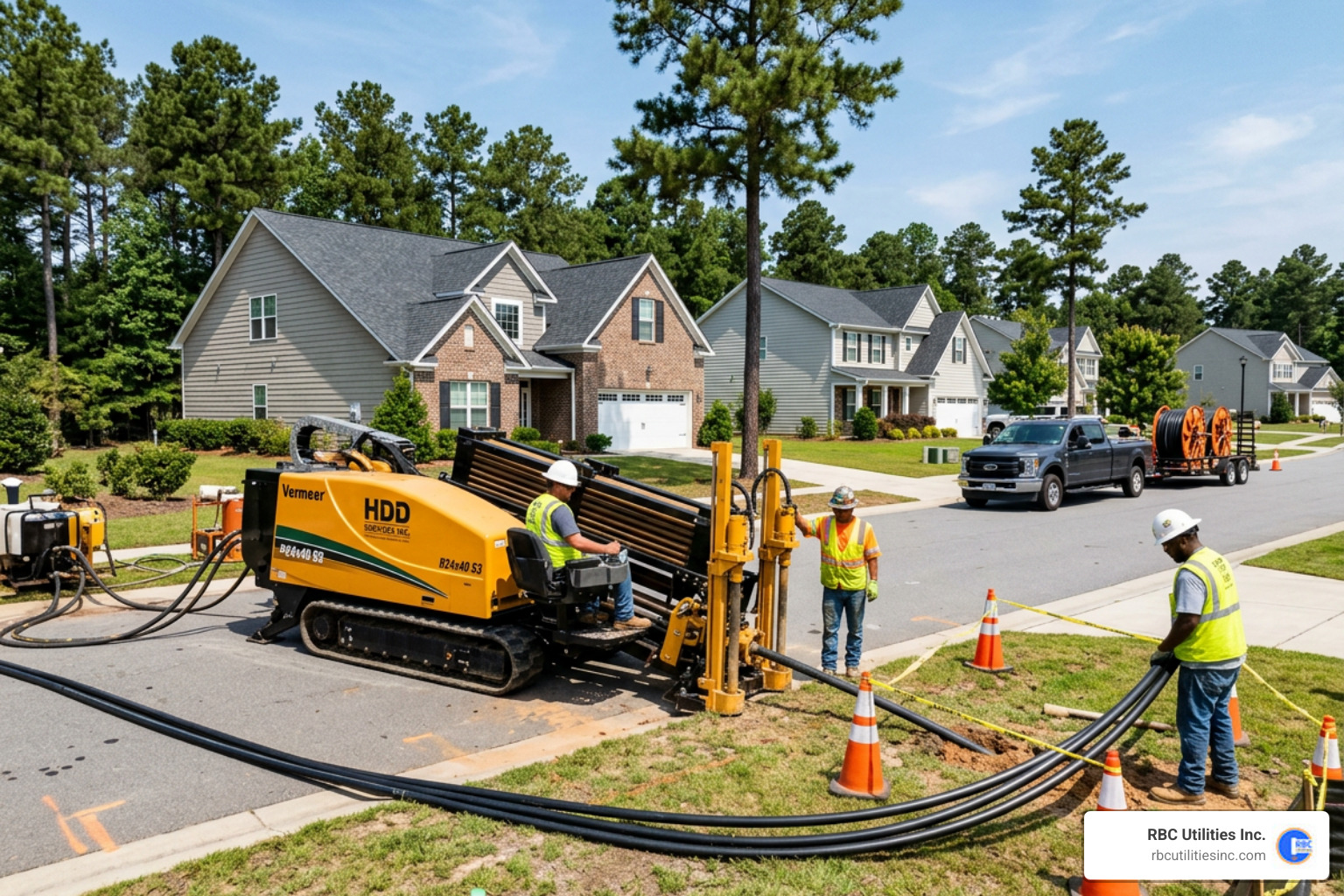
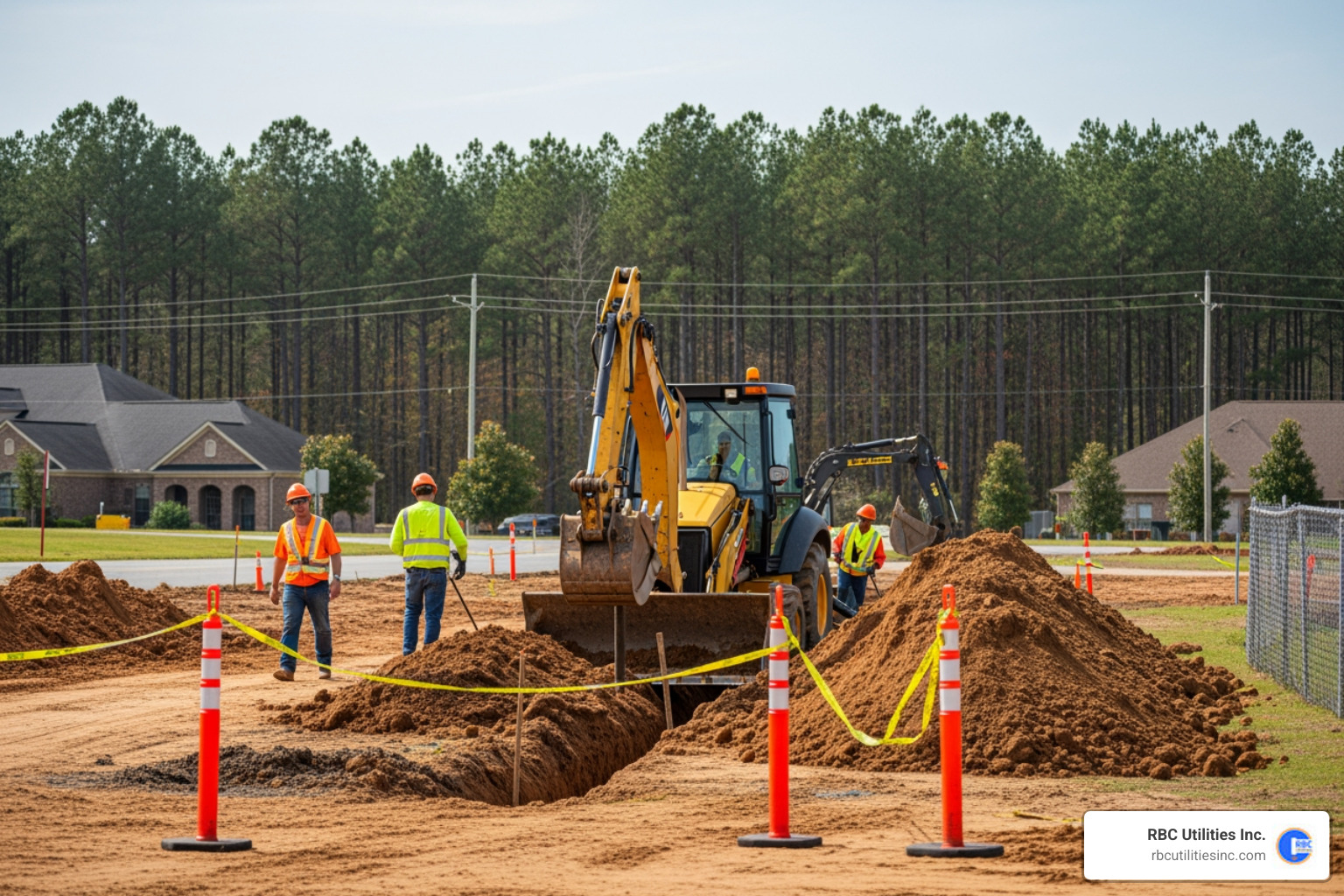
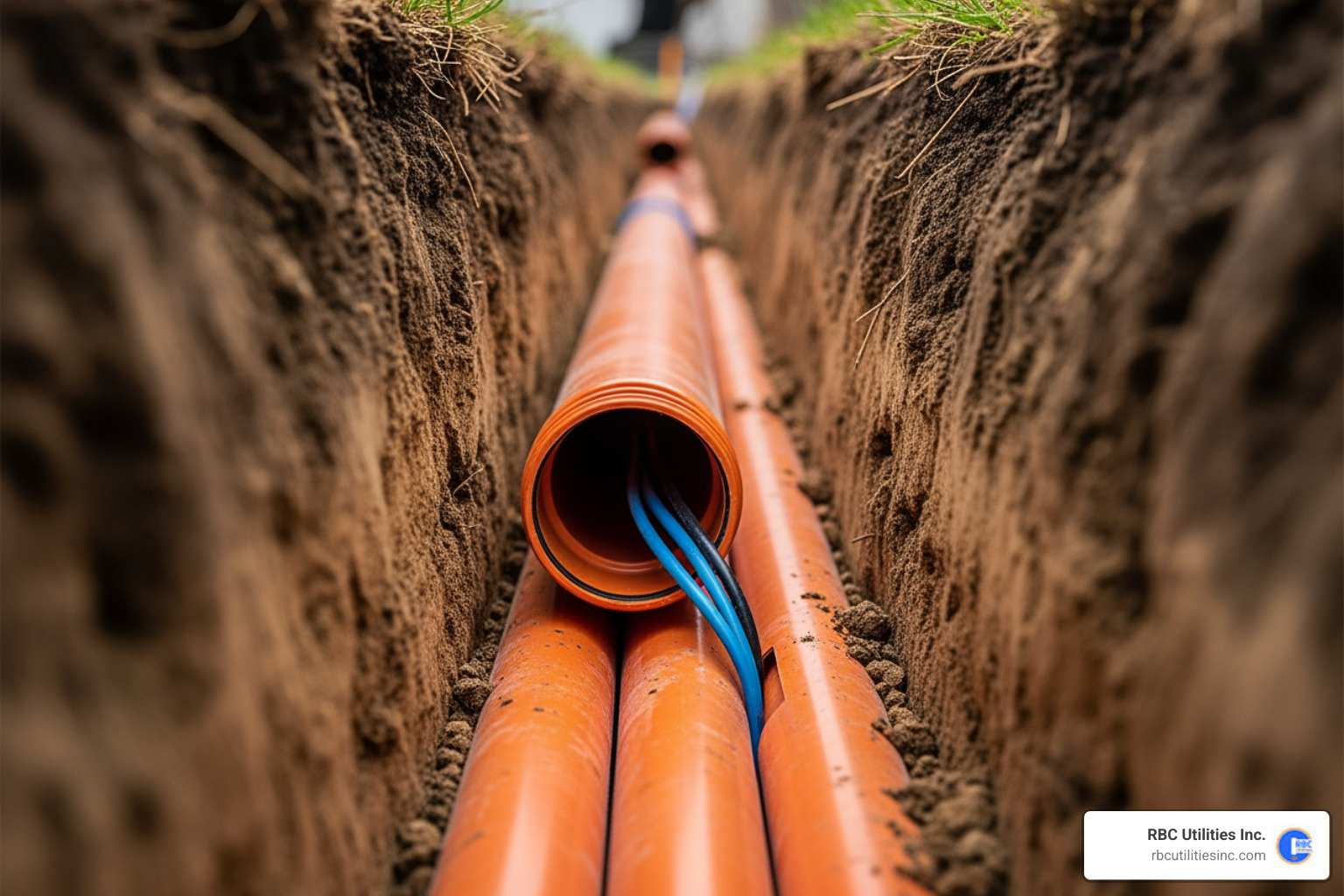
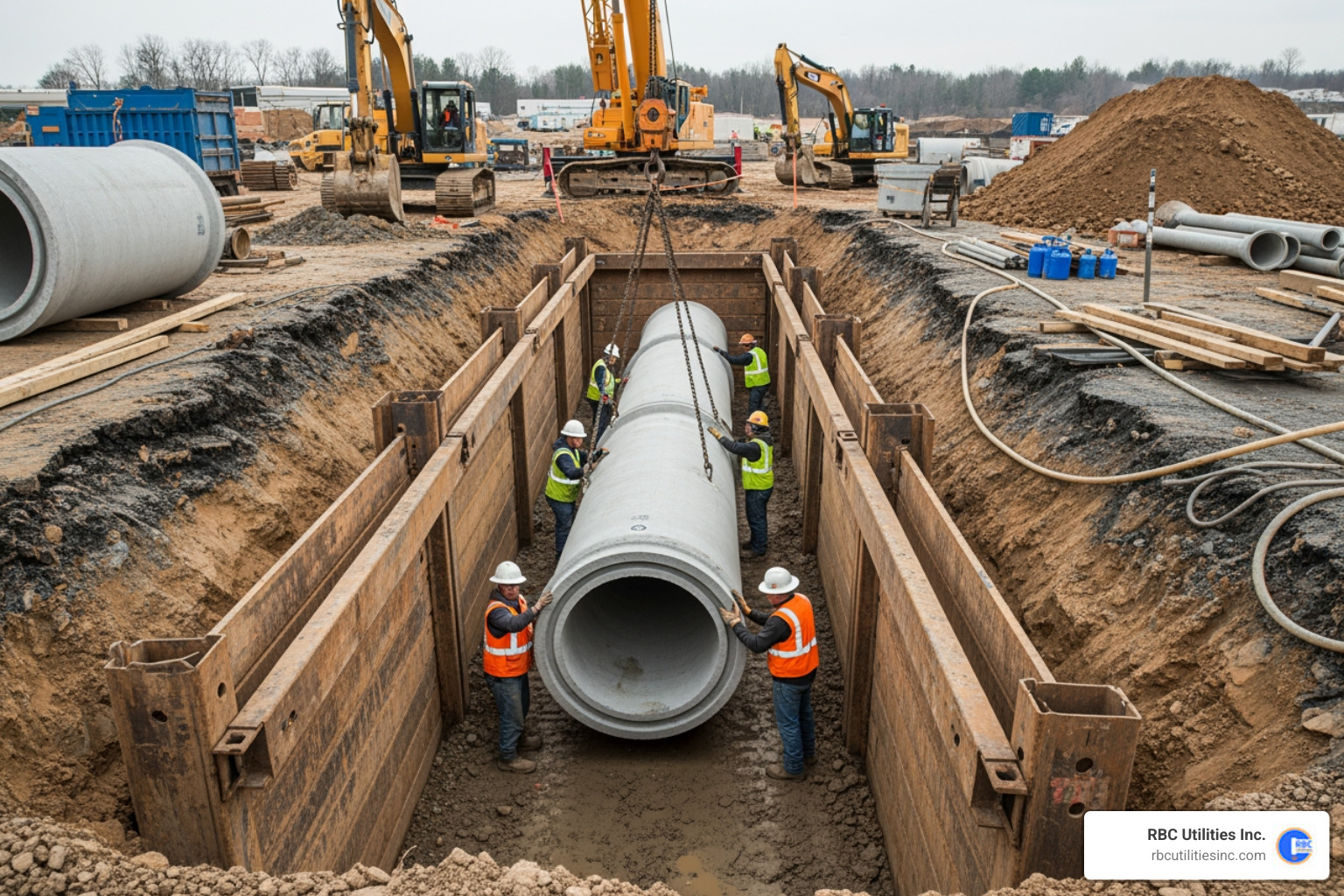
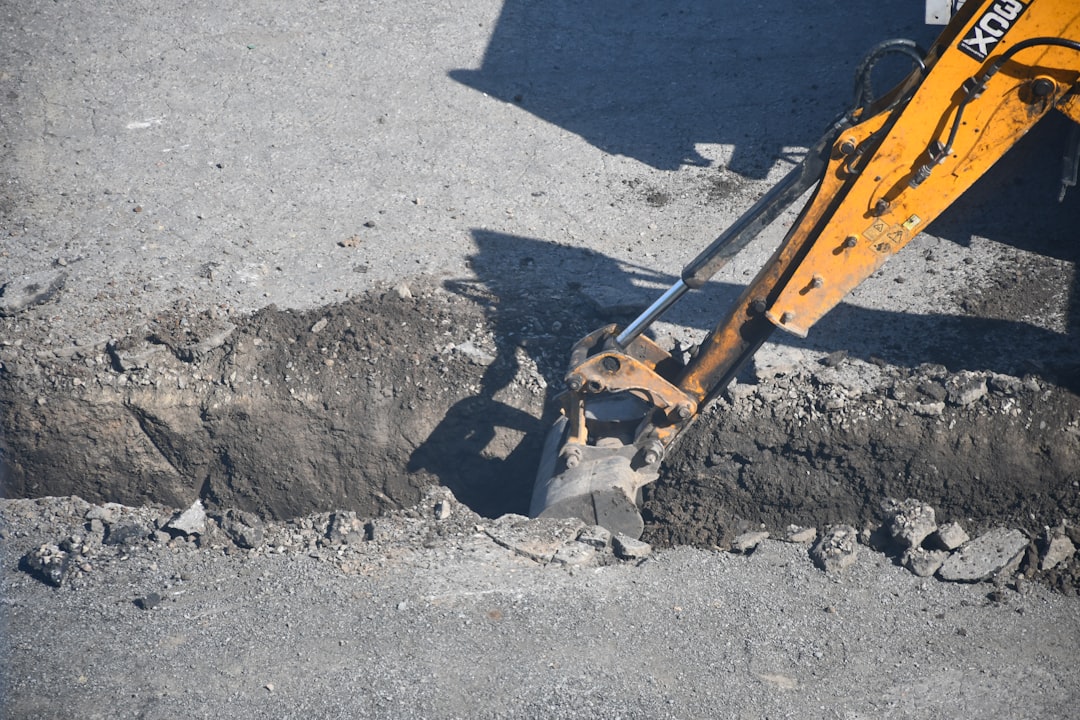
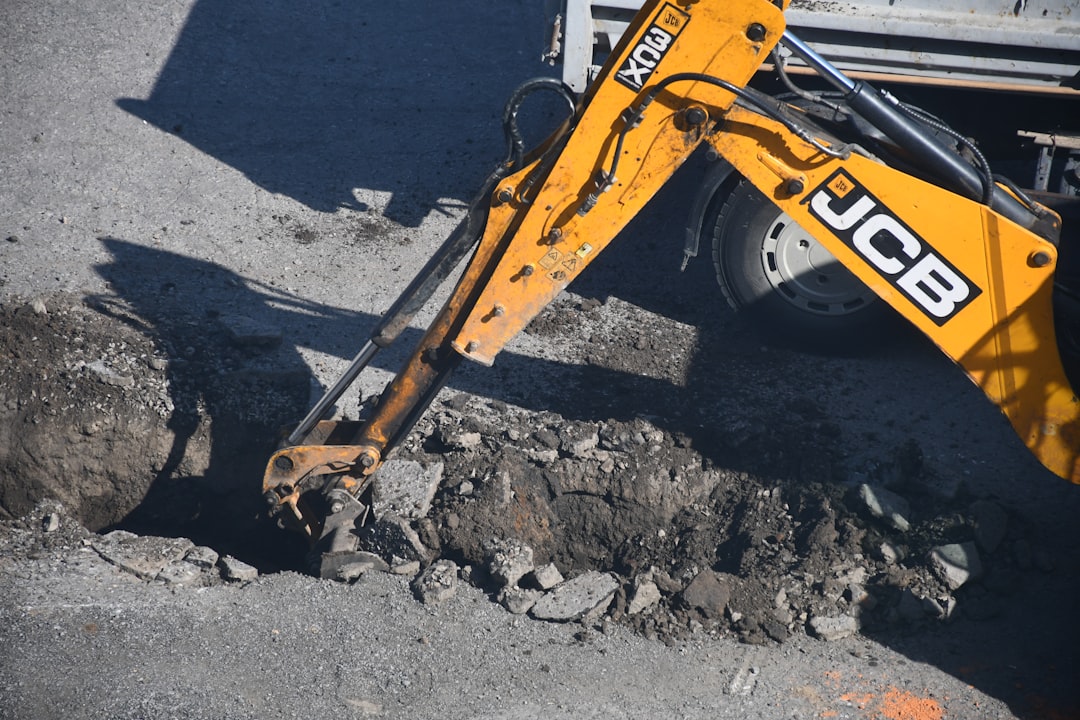
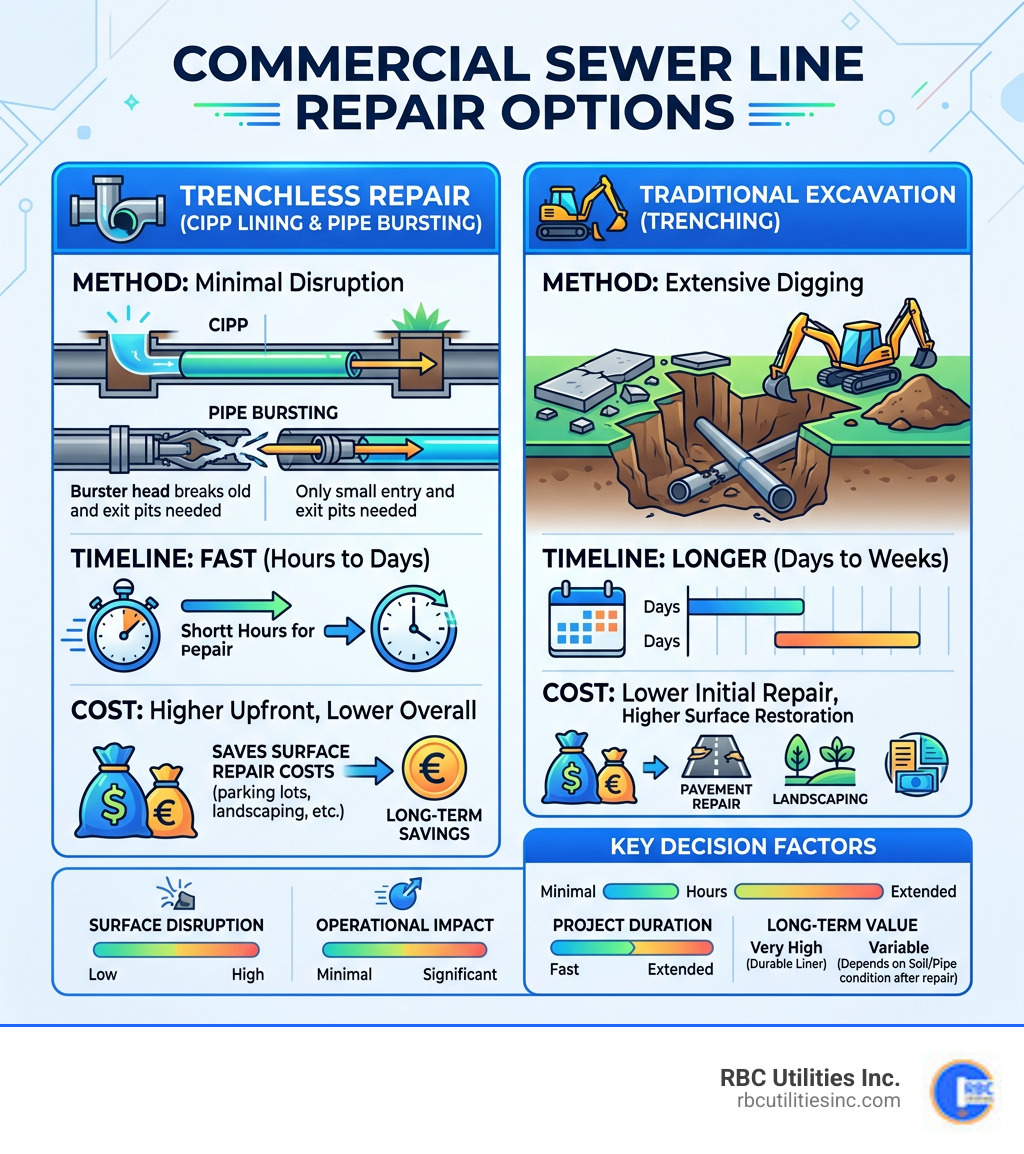
The biggest evolution in our industry is the shift toward trenchless technology. Historically, if a sewer line under a parking lot failed, you had to bring in an excavator, tear up the asphalt, dig a massive trench, replace the pipe, and then pay for expensive surface restoration. Trenchless methods eliminate most of that mess.
The two primary methods used for commercial sewer line repair today are:
When considering these high-tech options, it is important to understand the Terms of Use associated with professional service agreements to ensure all parties are protected during the construction phase.
Why are more Carolina businesses choosing trenchless? The data speaks for itself:
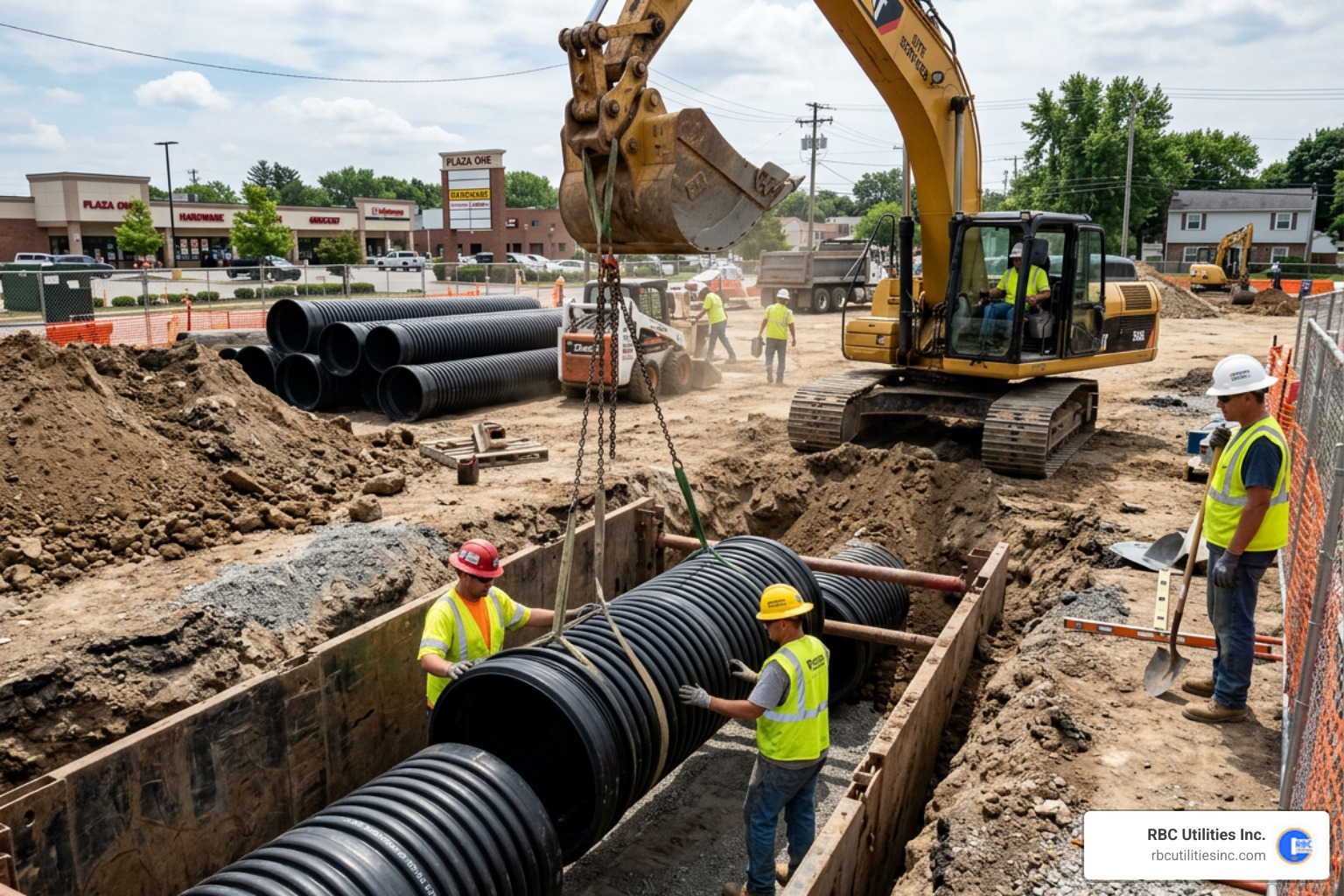
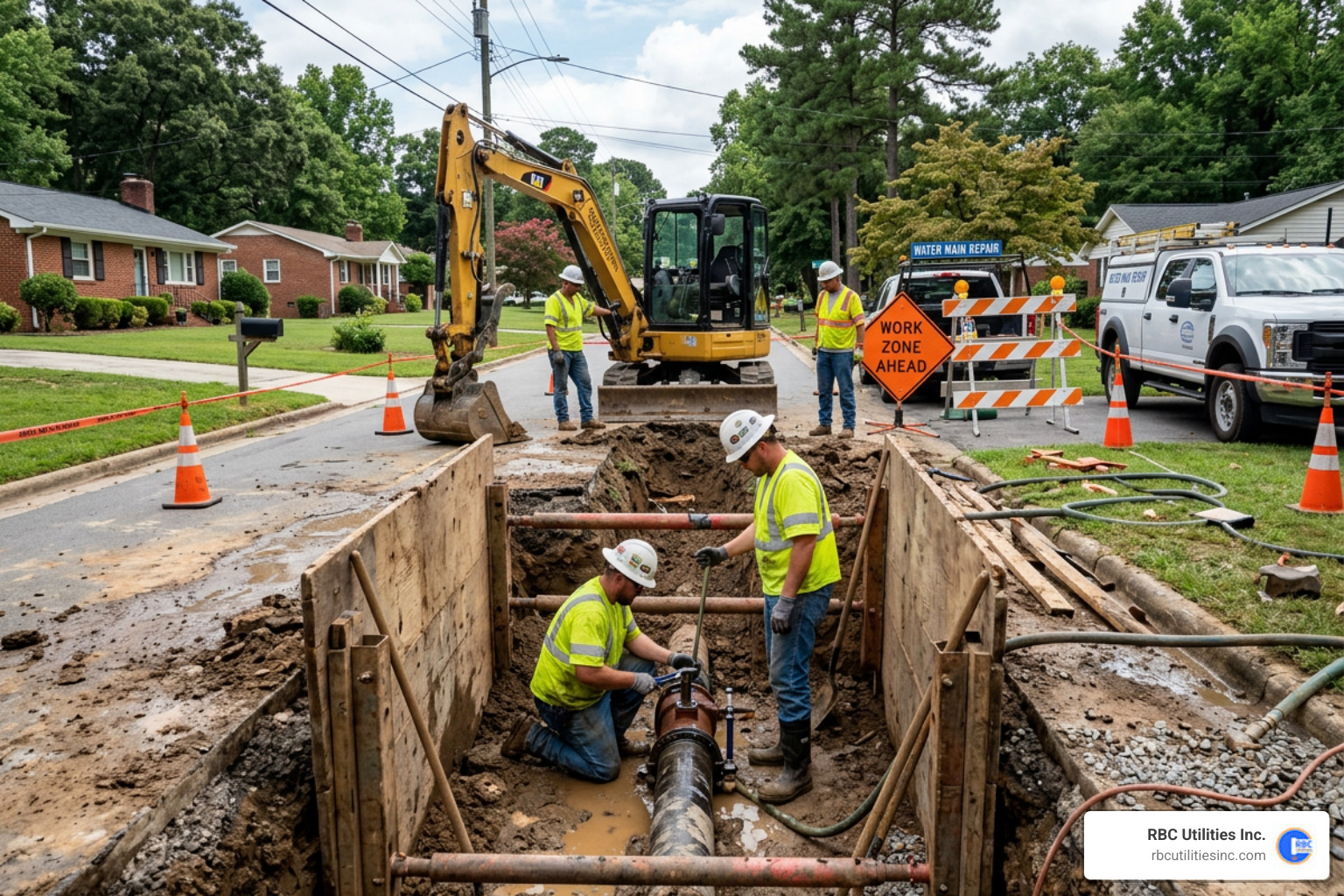
As much as we love trenchless technology, it isn't a magic wand. There are specific scenarios where a traditional full replacement is the only responsible choice:
For a project manager or business owner, the choice usually comes down to the "Triple Threat": Cost, Time, and Disruption.
| Feature | Trenchless (CIPP/Bursting) | Traditional Excavation |
|---|---|---|
| Surface Disruption | Minimal (1-2 small access holes) | Massive (Trenching through entire line) |
| Project Timeline | 1 to 2 days | 5 to 10+ days |
| Labor Requirement | Small, specialized crew | Large crew with heavy machinery |
| Landscaping/Paving | Preserved | Must be demolished and replaced |
| Lifespan | 50 - 100 years | 50+ years (depending on material) |
| Total Cost | Often lower (due to restoration savings) | Often higher (due to restoration costs) |
In the Carolinas, our geology plays a role. In the Piedmont region (like Charlotte), we often deal with heavy clay. In the coastal areas, we deal with sandy soil and high water tables. Traditional excavation in these conditions can require extensive shoring and dewatering, which adds to the bill. Trenchless methods often bypass these geological headaches entirely.
The best way to handle commercial sewer line repair is to avoid needing it in the first place. For commercial properties, "out of sight, out of mind" is a dangerous philosophy.
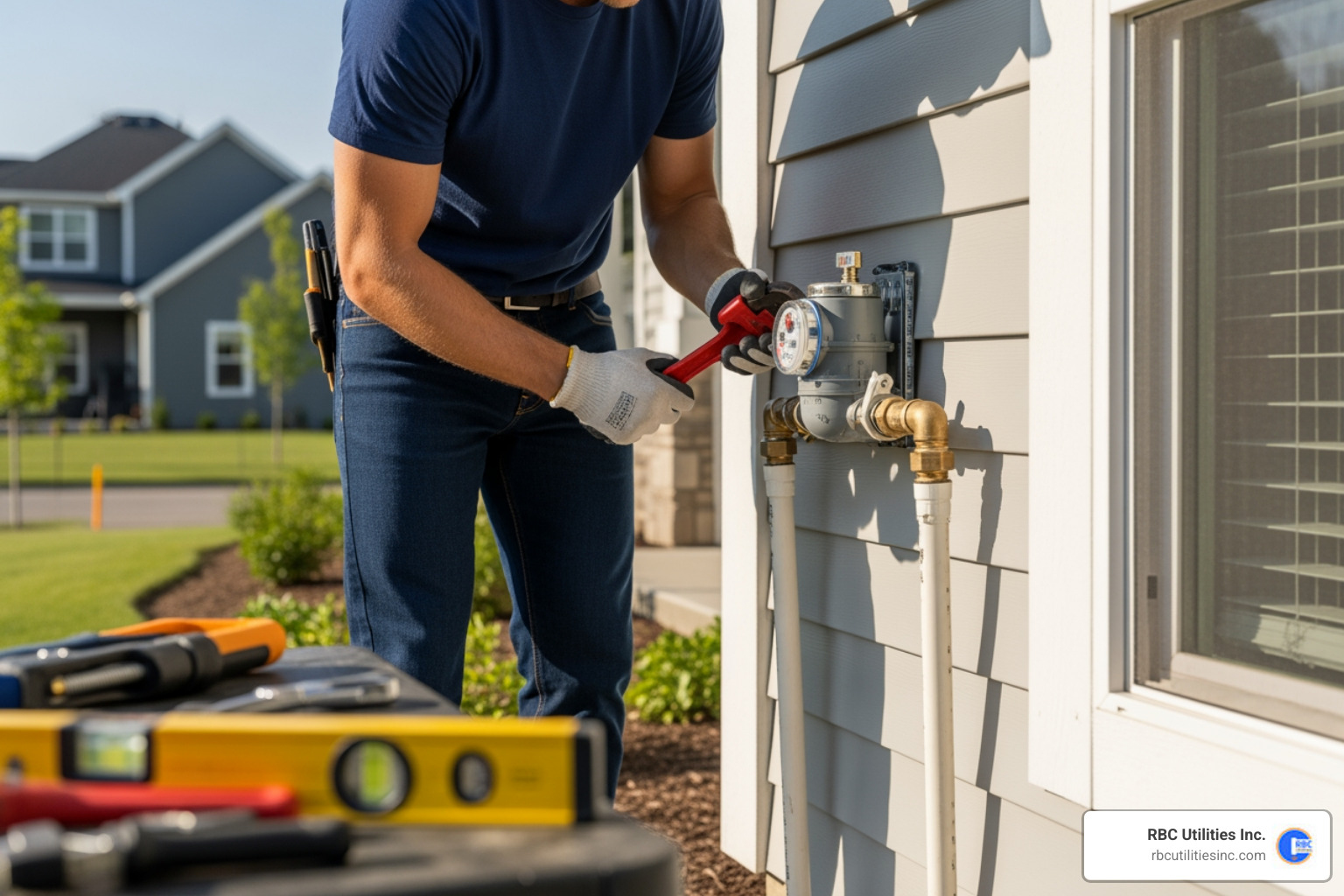
Installing a dedicated cleanout port is one of the smartest moves a property owner can make. It provides easy access for future maintenance and ensures that diagnostic inspections can be performed without disrupting your operations. For more comprehensive infrastructure needs, explore our utility services.
Commercial sewer work isn't a job for a "handyman" plumber. It requires a contractor who understands the scale of industrial systems and the regulatory environment of North and South Carolina.
When vetting a partner, look for:
For most commercial properties, the actual repair phase takes less than 24 hours. CIPP liners typically cure in about 60 minutes with heat. This means a business can often stay operational, or at most, face a single evening of downtime. This business continuity is the primary reason trenchless is the gold standard for retail and office spaces.
Trenchless repairs are not "band-aids." They are structural renewals. Most CIPP liners and HDPE pipes used in pipe bursting are designed to last at least 50 years, with many modern materials boasting a 100-year design life. They are resistant to the corrosion that kills cast iron and the root intrusion that destroys clay pipes.
The "upfront" cost of trenchless technology can sometimes be higher per linear foot than PVC pipe. However, when you factor in the Total Cost of Ownership, trenchless is almost always cheaper. If you have to dig up 50 feet of a parking lot in downtown Charlotte, the cost of the asphalt and the lost business will far outweigh the cost of a trenchless liner. We always provide transparent, upfront estimates based on the depth, diameter, and condition of the pipe.
At RBC Utilities Inc., we know that commercial sewer line repair is about more than just pipes—it's about keeping the Carolinas moving. Whether you are a developer in Charlotte or a municipality in South Carolina, your underground infrastructure is the foundation of your success.
We combine local expertise with national-level resources to ensure every project is handled with the highest safety standards and reliability. From new installations to complex trenchless rehabilitations, we are committed to building infrastructure that lasts for generations.
Don't let a sewer failure derail your project. Contact us today for an expert assessment and discover why we are the preferred choice for underground utility construction in the Carolinas. More info about our services.
Part of Saga Infrastructure, protecting what others built and helping it grow.
Address: 4404 Stuart Andrews Blvd., Suite K, Charlotte, NC 28217
Email: info@rbcutilitiesinc.com
Phone: 803-913-9727
Service Area: North Carolina | South Carolina