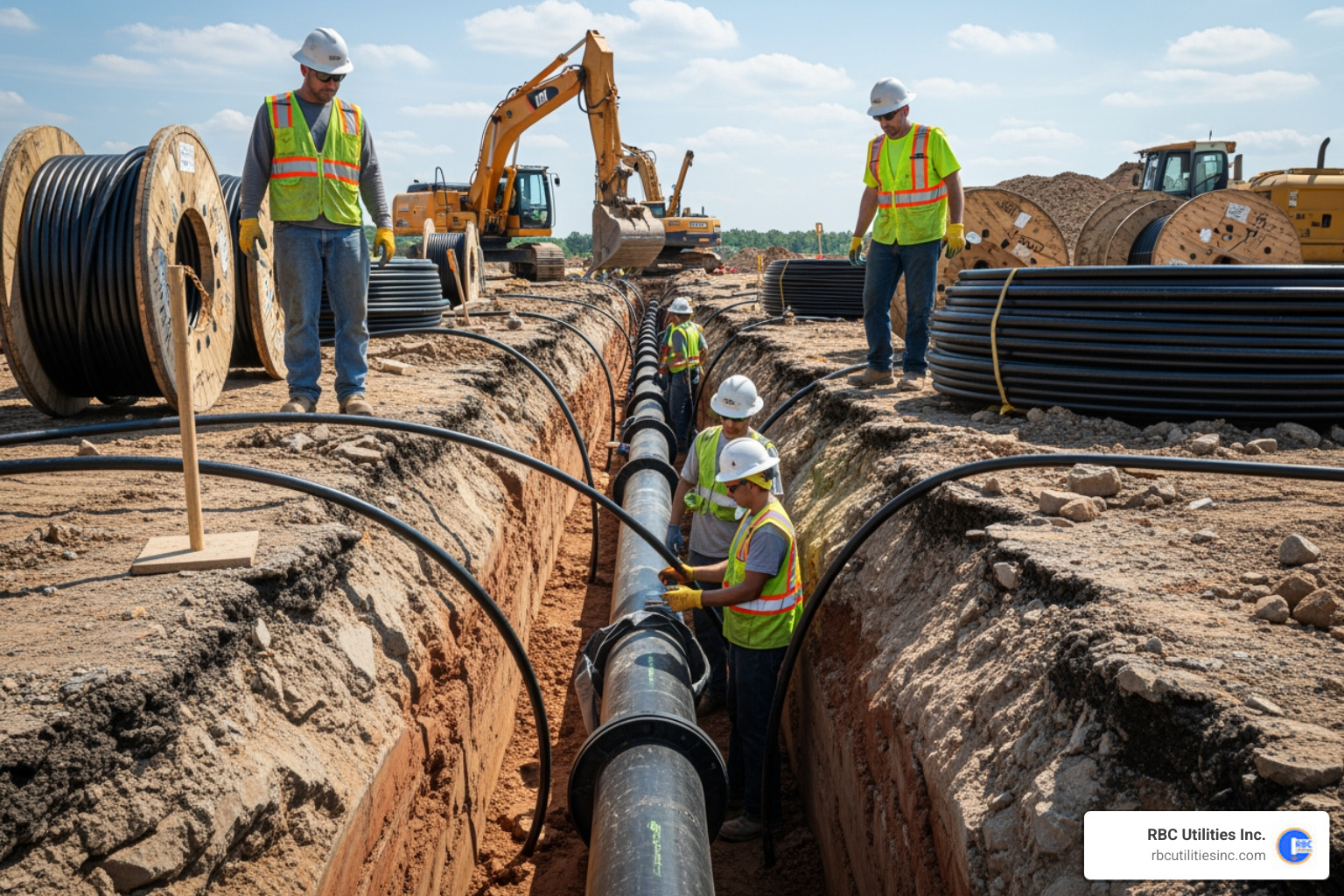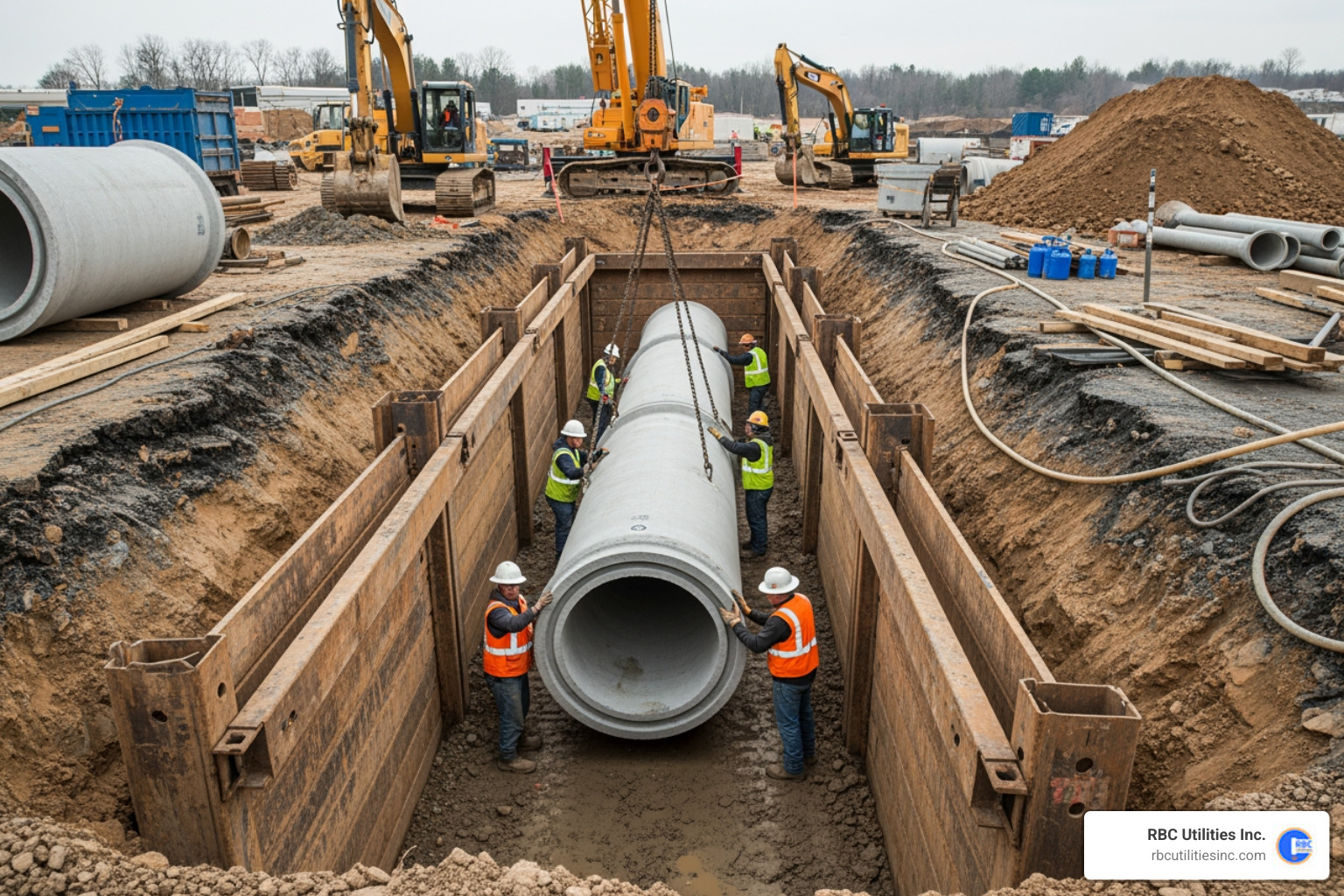
Storm drain pipe installation is one of the most critical underground utility tasks on any residential or commercial development site — and getting it wrong can mean flooded properties, failed inspections, and costly rework.
Here's a quick overview of the core steps involved:
Whether you're managing a tight subdivision deadline or a large commercial site in the Carolinas, the details matter at every stage.
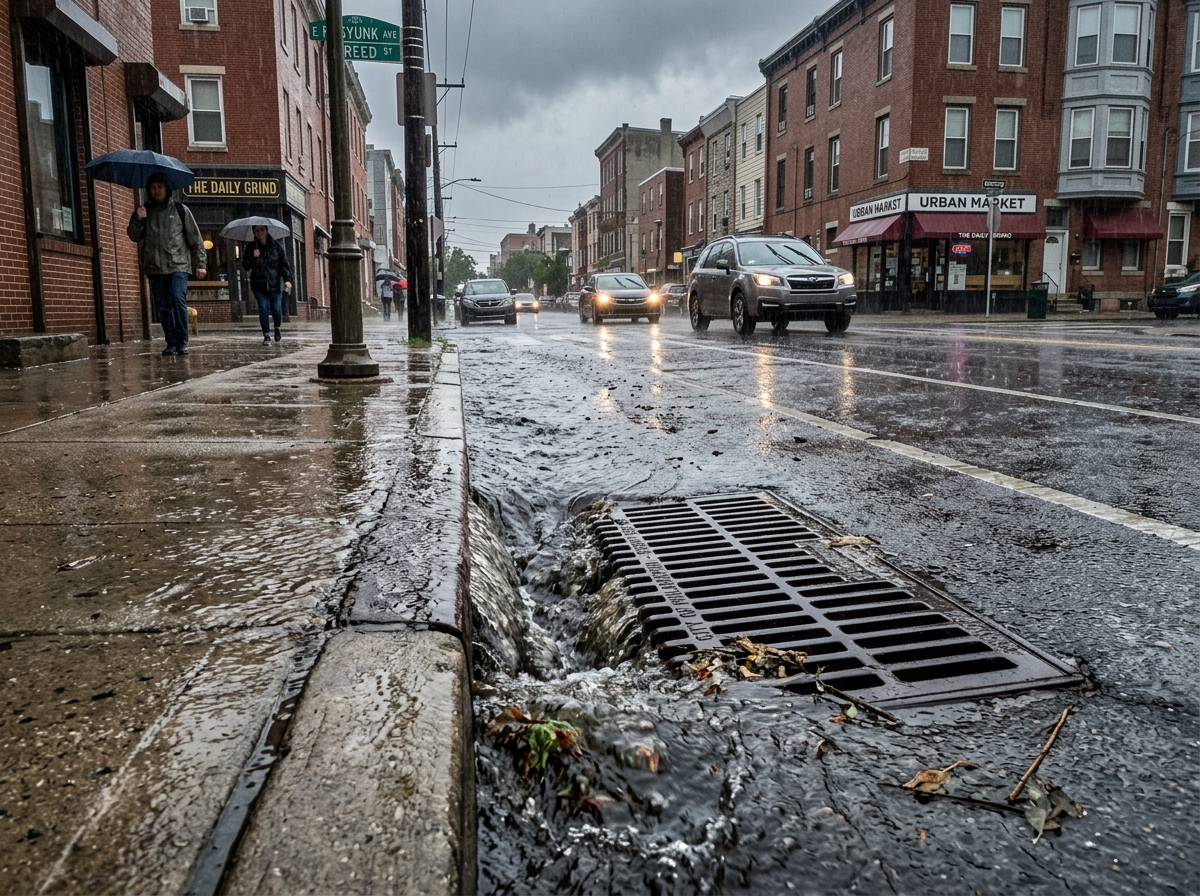
Storm drains handle more stress than most people realize. They move stormwater away from structures, roadways, and utilities — silently, underground, under traffic loads, year after year. A poorly bedded pipe, a missed slope, or a bad joint can compromise an entire drainage system.
This guide walks through every phase of the process — from material selection and trenching to testing and inspection — using current engineering standards and real-world best practices.
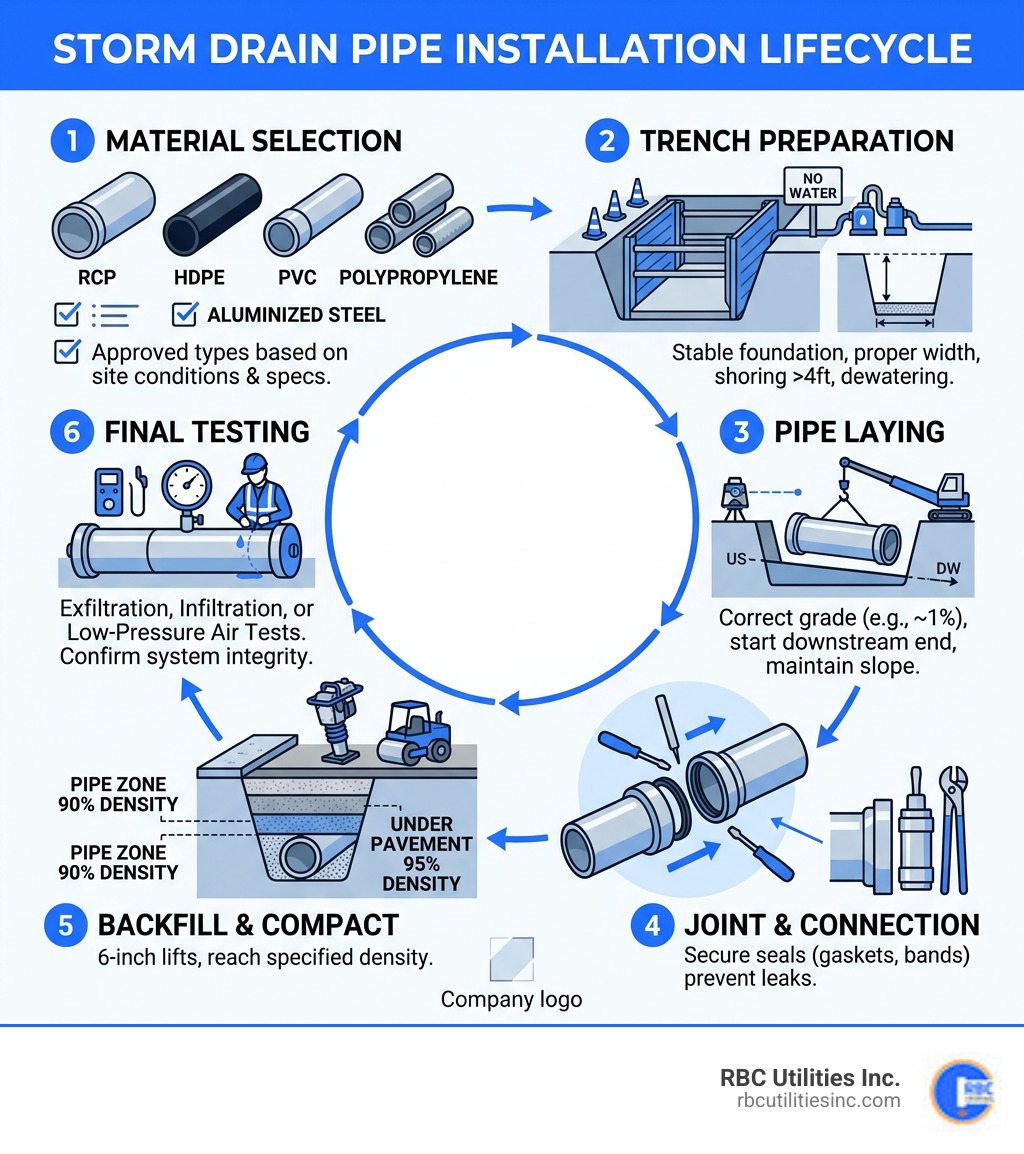
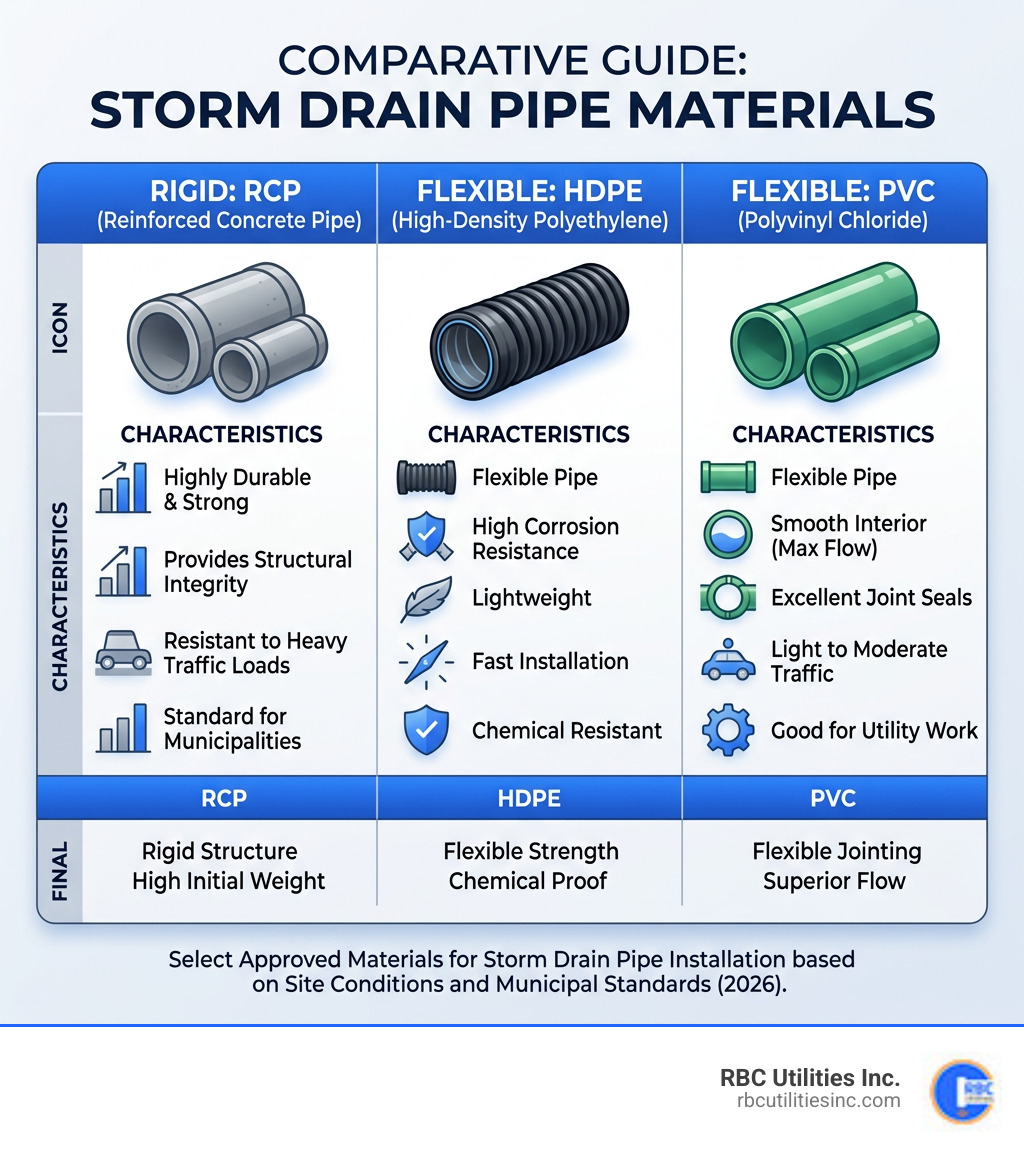
When we begin a project in the Carolinas, the first question is always: what are we putting in the ground? Material selection isn't just about cost; it’s about meeting the rigid standard specifications of municipal and state authorities like NCDOT or SCDOT.
The most common materials approved for storm drain pipe installation include:
A critical requirement for any storm drain system (defined as pipes under curb and gutter or shoulder berm gutters connecting structures) is a smooth interior wall. This ensures maximum hydraulic flow and prevents debris from snagging.
In coastal North Carolina counties—such as Beaufort, Bertie, Brunswick, and others—corrugated steel pipe is often restricted due to high corrosion risks from salt air and soil chemistry. In these areas, we pivot to aluminum alloy, RCP, or thermoplastics to ensure the system lasts for decades. For a deep dive into how to handle these materials in the field, we recommend checking out the Corrugated Plastic Pipe Storm Installation Guide.
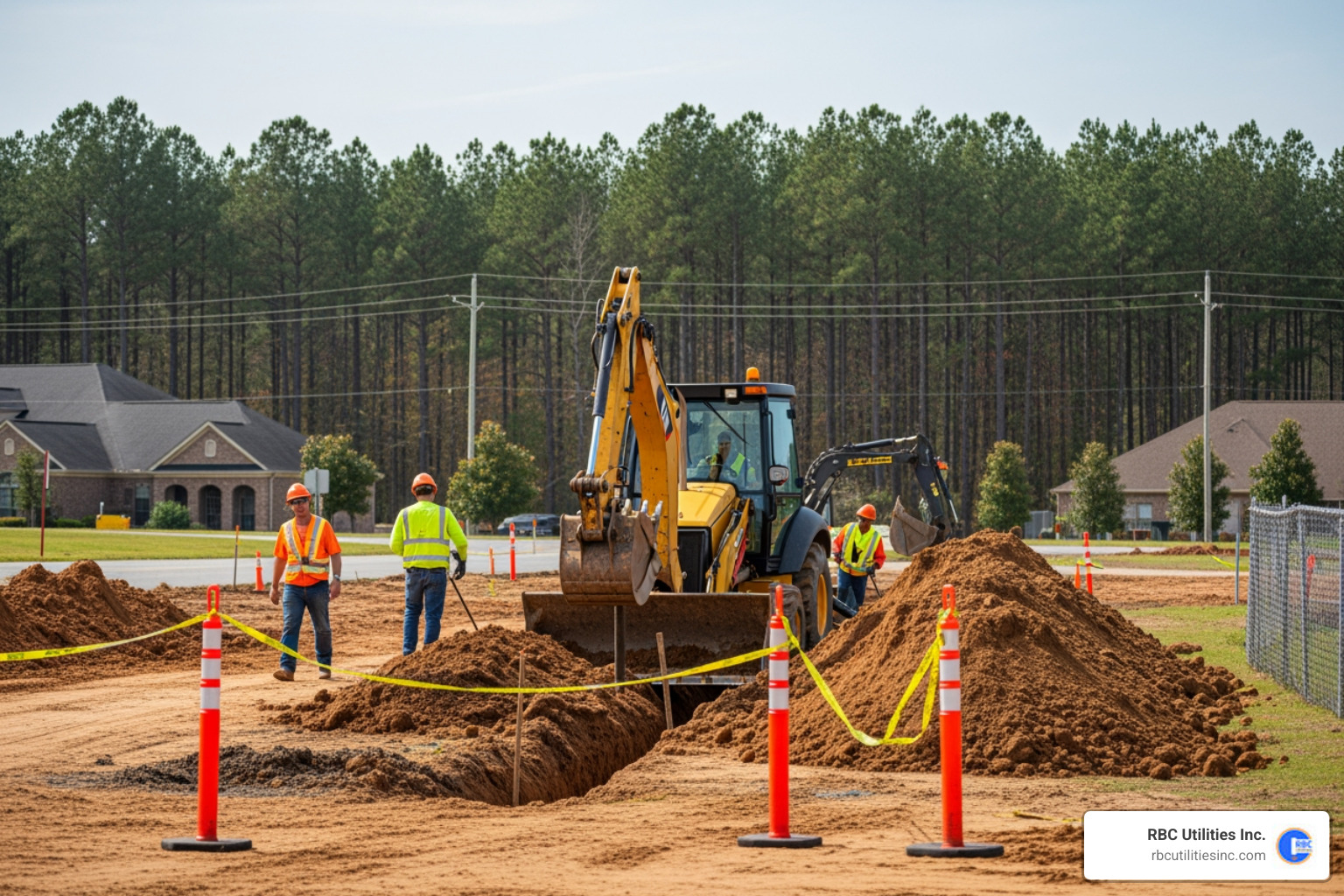
Before the first piece of pipe touches the dirt, the trench must be perfect. At RBC Utilities Inc., we emphasize that a pipe is only as stable as the ground beneath it.
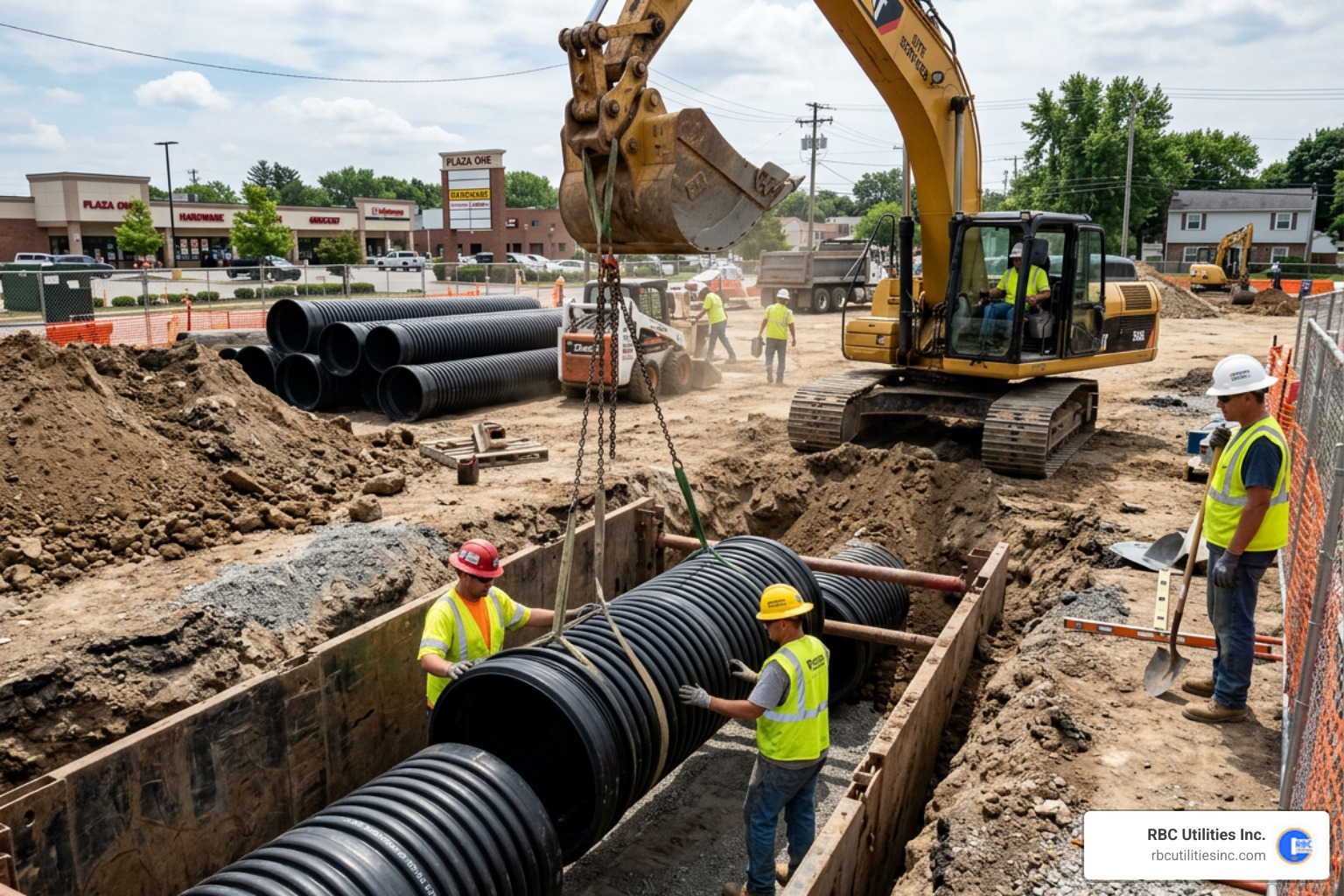
The trench must be excavated to the exact grade and line specified in the engineering plans. We ensure the trench width provides enough room for the pipe plus sufficient space on both sides for our crews to properly compact the backfill—usually the pipe diameter plus a specific margin (e.g., 1.5 times the diameter plus 18 inches for certain water/sewer lines).
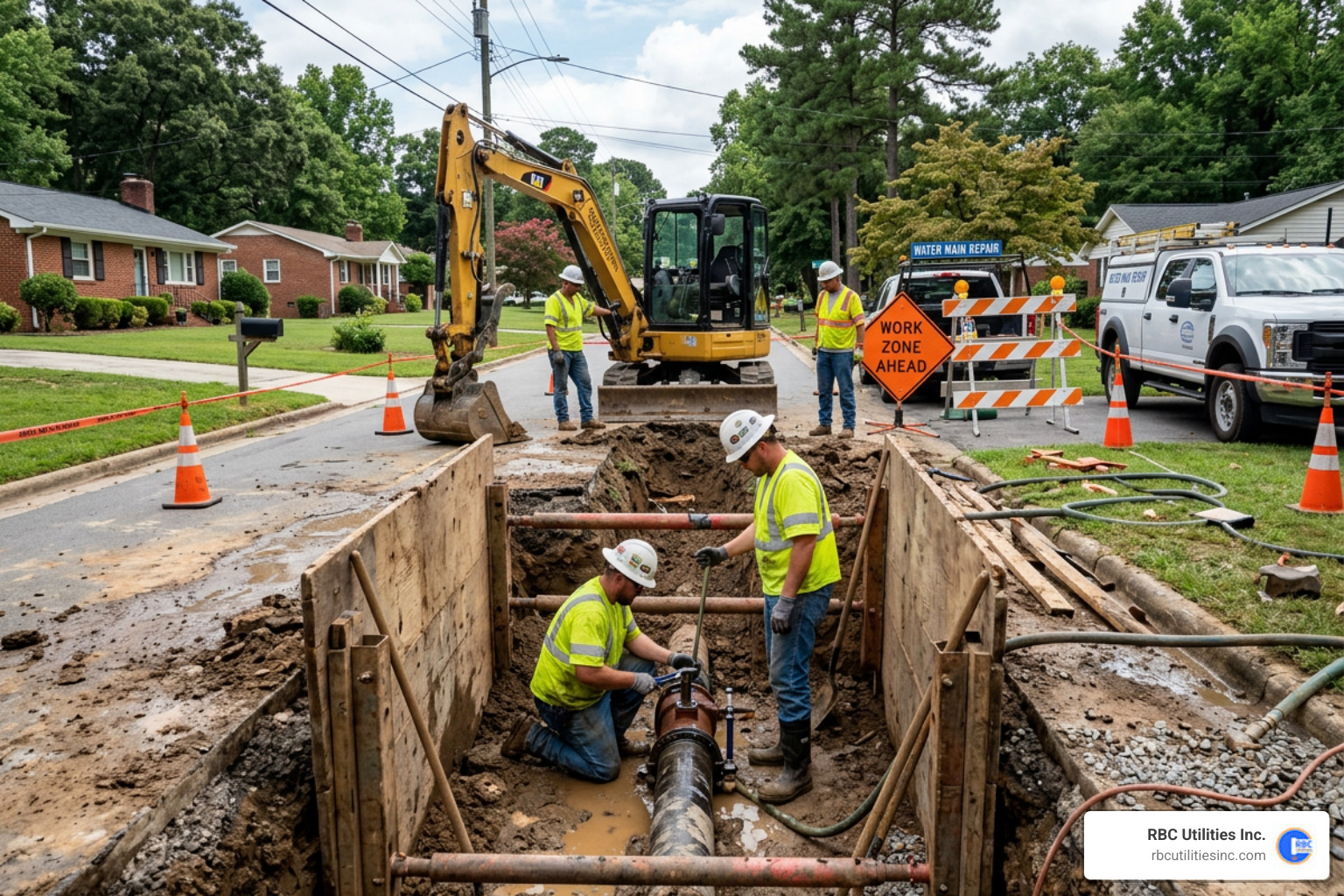
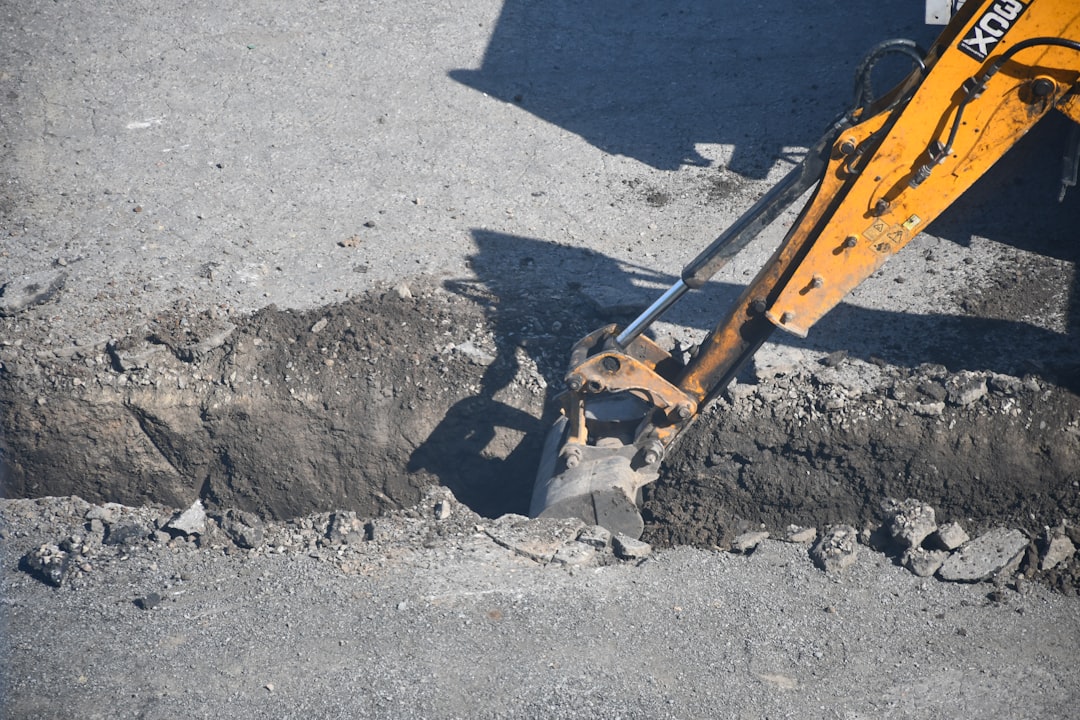
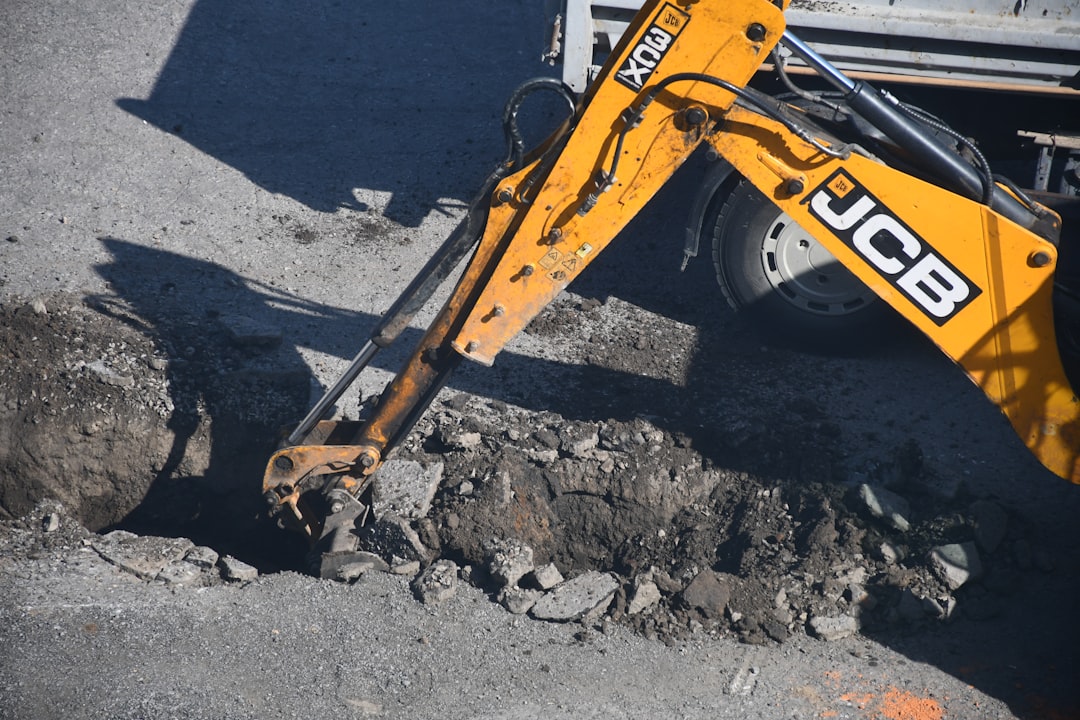
Before any bucket hits the soil, a Call 811 utility check is mandatory. Once digging begins, safety is our top priority. For any trench 4 feet or deeper, we utilize OSHA-compliant shoring or trench boxes to protect our team.
For more details on how we handle these complex site conditions, you can find More info about our utility services on our main site.
Water only runs downhill (unless you’re a magician), so slope is everything. Most storm systems require a minimum 1% slope to maintain "self-cleaning" velocity.
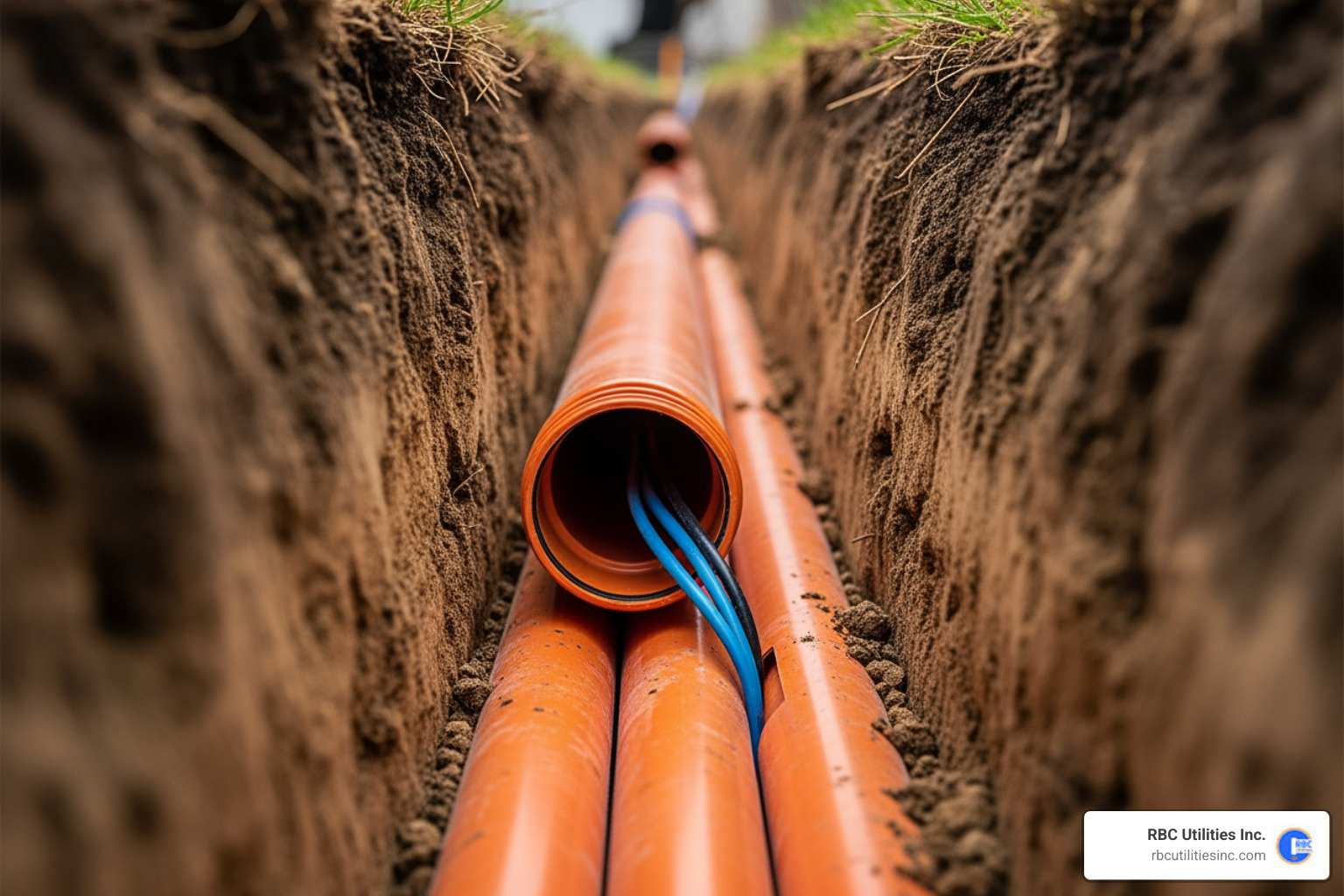
We start storm drain pipe installation at the downstream end (the outlet) and work our way upstream. This allows any water that enters the system during construction to drain away. We use high-precision laser levels to check the "flow line" (the bottom inside of the pipe) constantly. In professional contracting, we measure to an accuracy of 0.1 feet. As we lay each joint, we maintain longitudinal compression to ensure the seals stay tight while the backfill is placed. You can see similar precision requirements in this Trench Drain Installation Guide.
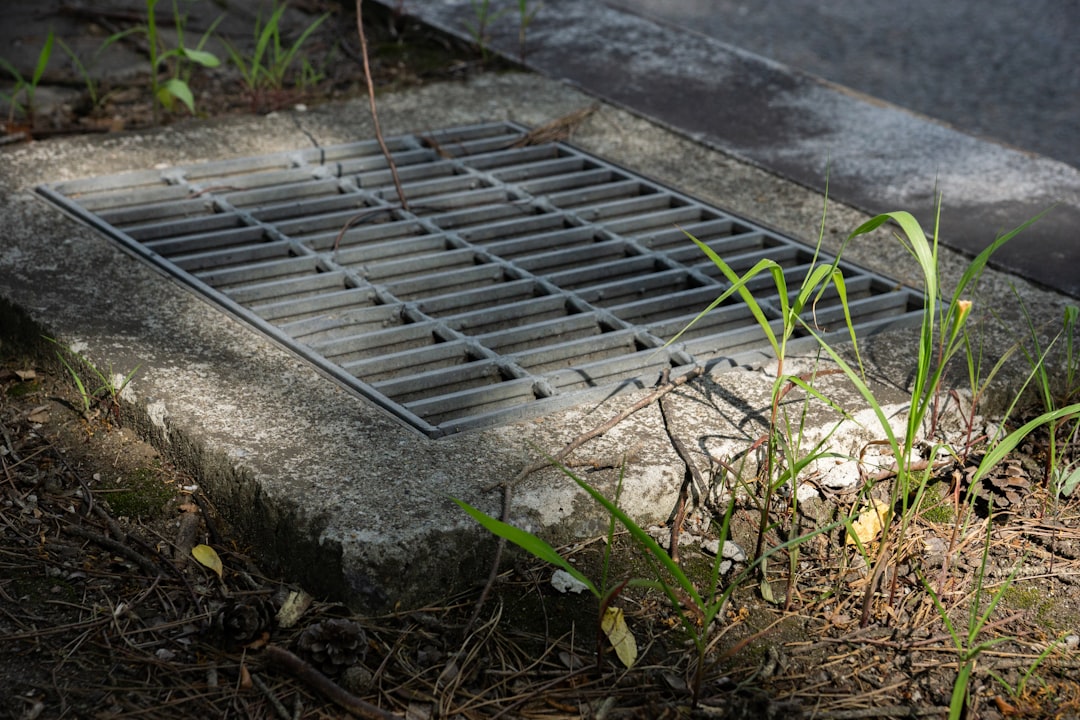
A storm drain system is a series of pipes connected by structures like manholes, catch basins, and headwalls.
For technical drawings on how these connections look, refer to the HDPE & PP Connection to Concrete Headwall Detail.
If you've ever seen a road sink around a storm drain, you've seen the result of poor compaction. At RBC Utilities Inc., we follow a strict "lift" process.
Once the dirt is back in the hole, we have to prove the system works. For "non-air-permeable" pipes like PVC or HDPE, we often perform a low-pressure air test. We plug the ends and monitor how long it takes for a small amount of air pressure to drop. If it drops too fast, we have a leak.
Other common tests include:
For more engineering specifics on these checks, see the ADS Pipe Storm Drain Connection Installation Details.
While they look similar, they serve different masters. A culvert (Section 310) is typically a short, open-ended pipe that allows water to pass under a structure like a driveway or road. A storm sewer (Section 305) is a complex network of pipes and structures (curb inlets, manholes) designed to collect and carry runoff from a large area to a specific discharge point.
In the professional world, we don't just guess. Pipe is measured by the linear foot, often by counting the number of joints and multiplying by the joint length. Partial joints are measured to the nearest 0.1 feet. Interestingly, the cost of select bedding and backfill is almost always included in the price per foot of the pipe—so there’s no separate "extra" charge for the stone we use to cradle the pipe.
As mentioned, the Carolinas have diverse soil and water conditions. In the 21 coastal counties of North Carolina, the high salt content in the groundwater can eat through galvanized or aluminized steel in a fraction of its intended lifespan. In these areas, we use reinforced concrete or advanced plastics to ensure the taxpayer or developer isn't replacing the system in ten years.
Mastering storm drain pipe installation requires a blend of heavy equipment power and surgical precision. From the initial 811 call to the final mandrel test, every step is designed to protect the infrastructure of our communities in Charlotte and across the Carolinas.
At RBC Utilities Inc., we take pride in building the "invisible" systems that keep our region running. Whether it's a municipal storm sewer or a complex commercial conduit network, our focus remains on safety, reliability, and technical excellence. If you're planning a project that requires expert utility construction, Contact our team for storm drain solutions and let's get to work.
Part of Saga Infrastructure, protecting what others built and helping it grow.
Address: 4404 Stuart Andrews Blvd., Suite K, Charlotte, NC 28217
Email: info@rbcutilitiesinc.com
Phone: 803-913-9727
Service Area: North Carolina | South Carolina